 A Nation Must Think Before it Acts
Intern Corner
A Nation Must Think Before it Acts
Intern Corner

A nation must think before it acts.

The Foreign Policy Research Institute (FPRI) prides itself in providing training to its interns in research and policy analysis, editorial skills, and in the field of international relations broadly. FPRI interns have gone on to hold key posts in the US government, including first US Ambassador to Kosovo, Coordinator for Counterterrorism in the State Department, Special Advisor to the Chairman of the Joint Chiefs of Staff, Strategic Advisor to the Commander of Cyber Command, and Undersecretary of Defense.
American Grand Strategy in the Age of Trump: A Report
On January 23, Hal Brands, the Henry A. Kissinger Distinguished Professor of Global Affairs at the Johns Hopkins University School of Advanced International Studies and a Senior Fellow at the Foreign Policy Research Institute, gave a talk regarding his...
Read more »
Understanding the North Korean Threat with Lt. Gen. (Ret) In-Bum Chun: A Report
Since the Cold War, few crises have put so many Americans on edge as the escalating tensions between the U.S. and North Korea. While Secretary of State Rex Tillerson and President Donald Trump continue to send mixed signals of...
Read more »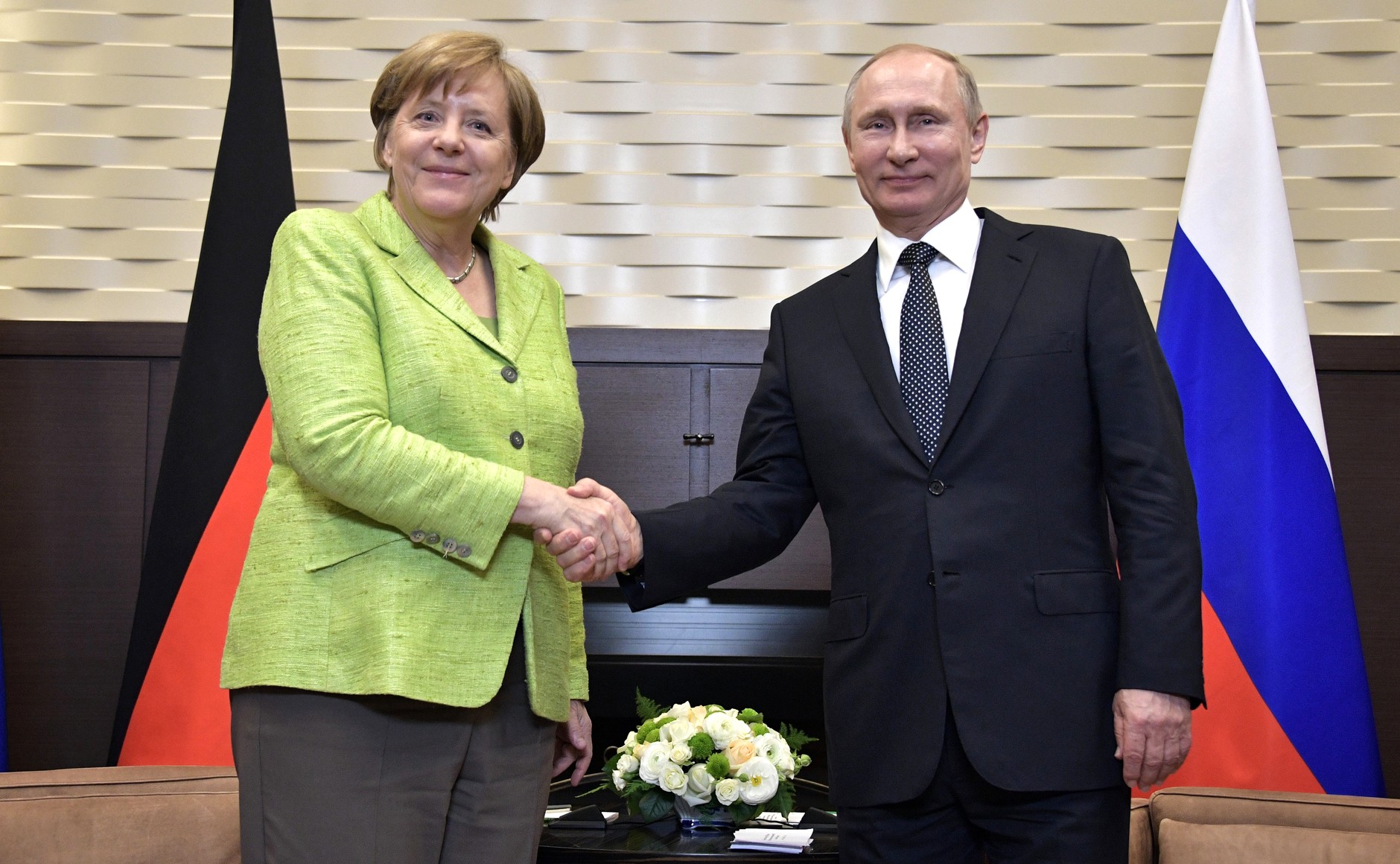
Built to Last: Coalition Formation and German-Russian Relations after the Election
Two words capture a broad swathe of U.S. and European political concerns over the past twelve months: elections and Russia. However, in a year when it seemed that every election threatened potentially dire consequences for American interests, the European...
Read more »
The Maple Leaf Mujahideen: The Rise of the Canadian Jihadi Movement
Though seldom mentioned in the same breath as prolific Western jihadi producers such as France, Germany, and Belgium, Canada has a long and often overlooked history of producing jihadists. From the “Millennium Bomber” and the “Toronto 18” to the...
Read more »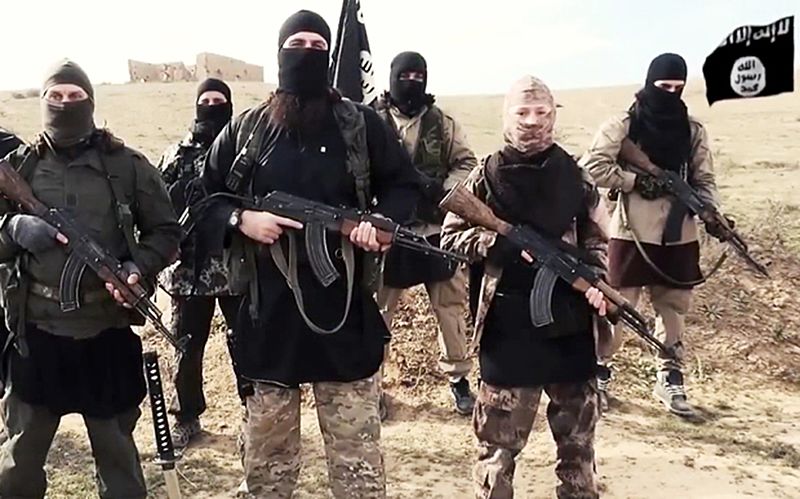
Al-Qaeda and ISIS: Assessing the Threat—and Containing It
Since 9/11, scholars and citizens across the United States have heralded jihadi terrorist groups as the single greatest threat to American national security. Mendelsohn however, argued that this assessment is not only hyperbolic, but it also fundamentally mischaracterizes the...
Read more »
What is Geopolitics?
Robert Strausz-Hupé, the founder of the Foreign Policy Research Institute, was a leading exponent of the field of geopolitics, a political framework that supports the examination of international affairs in the context of culture, history, and geography, in addition...
Read more »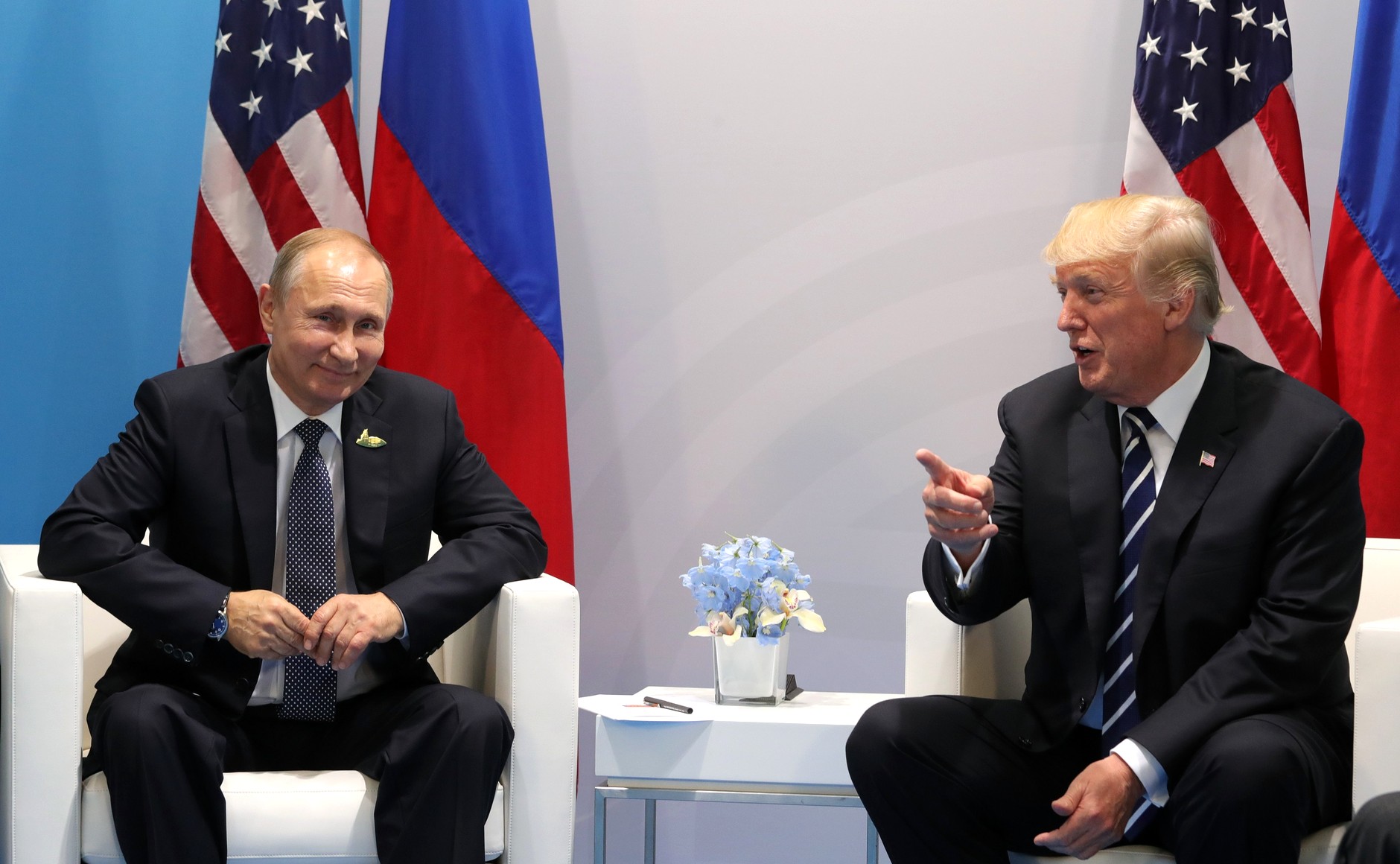
Resetting the Reset: Looking Back at the Cycle of U.S.-Russia Relations
Since the early 1990s, the U.S.-Russia relationship has faced a series of ebbs and flows amid numerous attempts to build a better rapport. The reasons behind the failure to create a positive relationship have been the subject of much...
Read more »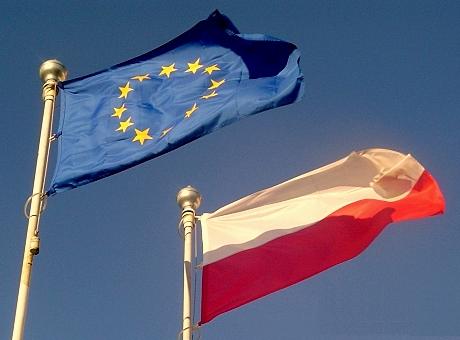
Will the Post-Mortem Begin in Poland?
Among the many places where observers might have expected to hear the death knells of liberal democracy, Poland can’t have been high on the list. Yet, a number of developments in that country’s foreign policy and international outlook...
Read more »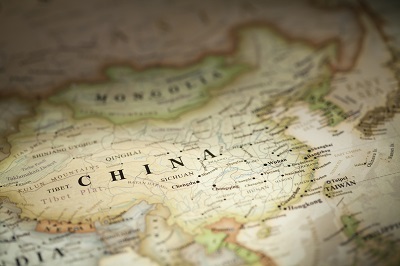
U.S.-China Relations: An Uncertain Balance
Professor deLisle began his presentation on what he referred to as one of the world’s most important bilateral relationships by discussing China’s growth over the last fifty years. While China is not yet on equal footing with the United...
Read more »
In Search of a Trump Doctrine
The Trump Doctrine—a core of fundamental foreign policy beliefs—has so far proved elusive, said Dom Tierney in his opening talk to FPRI interns. In searching for the Trump Doctrine, Dr. Tierney categorized Trump’s beliefs into three distinct “baskets.” The...
Read more »