

A nation must think before it acts.

Ukraine
The War’s Impact on Russia’s Economy and Ukrainian Politics
Editor’s Note: This article by FPRI scholar Mitchell Orenstein is a product of a workshop on “The Global Order after Russia’s Invasion of Ukraine,” hosted by the University of Pennsylvania’s Perry World House on April 14, 2022. Moscow...
Read more »
The Evolving Political-Military Aims in the War in Ukraine After 100 Days
Russian war aims have contracted from conquering Ukraine to simply expanding the territory of the statelets it supposedly went to war to protect. By contrast, Ukraine’s war aims have grown from survival to the recovery of all territory...
Read more »
How Russia’s Invasion of Ukraine has Affected Kazakh Politics
In January, everything changed in Kazakhstan. A series of demonstrations rocked the country, spreading from its oil-rich west to the commercial and cultural capital, Almaty. The protests exploded out of long-simmering demands for a fairer distribution of Kazakhstan’s wealth...
Read more »
Japan-Russia Relations After the Russian-Ukrainian War
Technically, Japan and Russia are still at war. Although Japan surrendered to the Allies in September 1945, ending World War II, Moscow and Tokyo have never signed an official peace treaty. A territorial dispute over four islands between Japan’s...
Read more »
Russia’s Use of Cyberattacks: Lessons from the Second Ukraine War
Russia, probably more than any other leading power, launches cyberattacks against other countries as a matter of routine. Sometimes, Russian cyberattacks accompany military action, as in the current war in Ukraine. At other times, Moscow uses cyberattacks to disrupt...
Read more »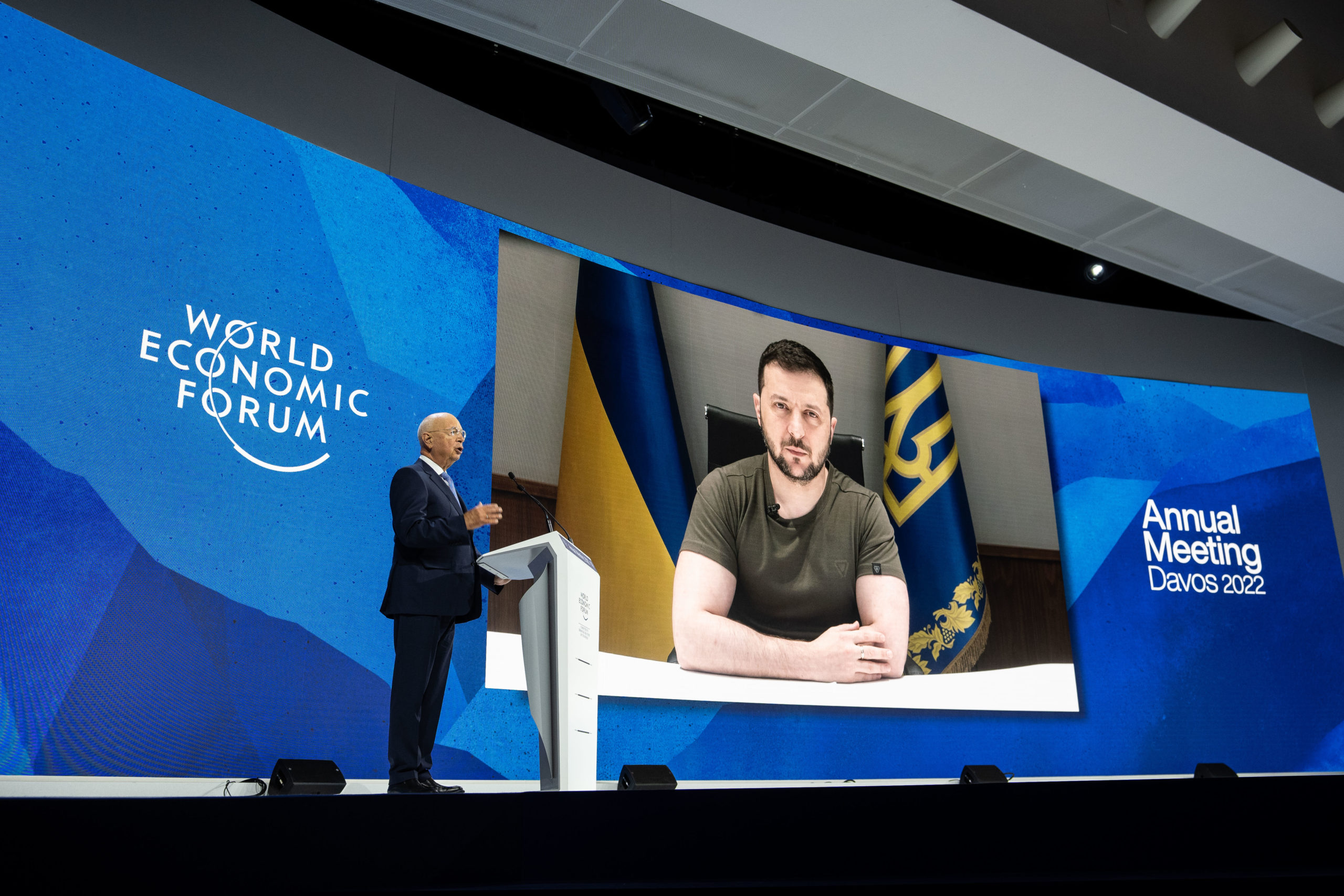
What’s Next for Ukraine’s (and its Neighbors’) Domestic and Foreign Policy?
Editor’s Note: This article by FPRI contributor Ecaterina Locoman is a product of a workshop on “The Global Order after Russia’s Invasion of Ukraine,” hosted by the University of Pennsylvania’s Perry World House on April 14, 2022. Russia’s invasion...
Read more »Not Built for Purpose: The Russian Military’s Ill-Fated Force Design
Russia’s invasion of Ukraine was a deeply flawed military operation, from Moscow’s assumptions about an easy victory, to a lack of preparation, poor planning, and force employment. Less attention has been paid, however, to Russian force structure and manpower...
Read more »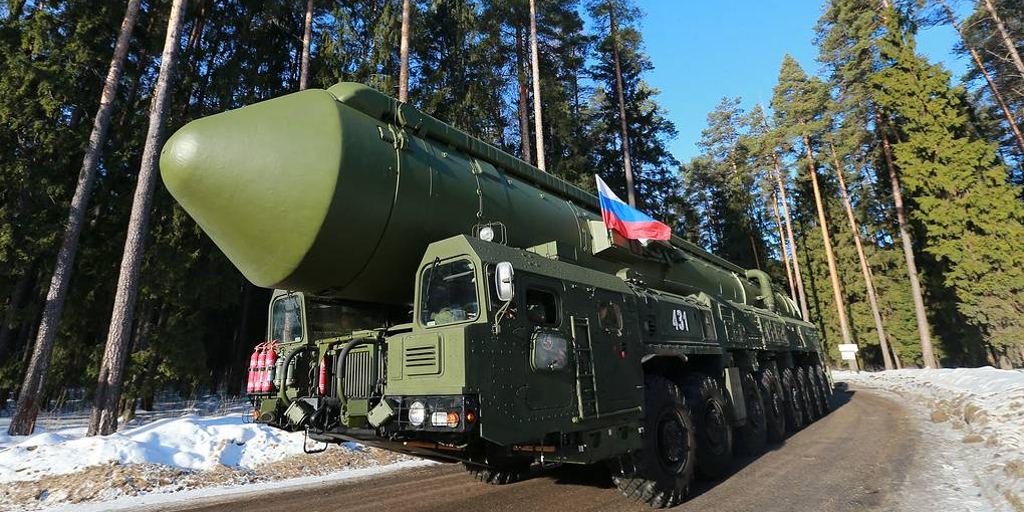
Déjà Vu: Coping with Conventional Aggression in a Nuclear Context
Original Orbis piece: Alvin J. Cottrell and James E. Dougherty, “Nuclear Weapons, Policy and Strategy,” Orbis 1:1 (April 1957) Focus of the original piece: The authors, in assessing the evolution of U.S. defense strategy since the end of World...
Read more »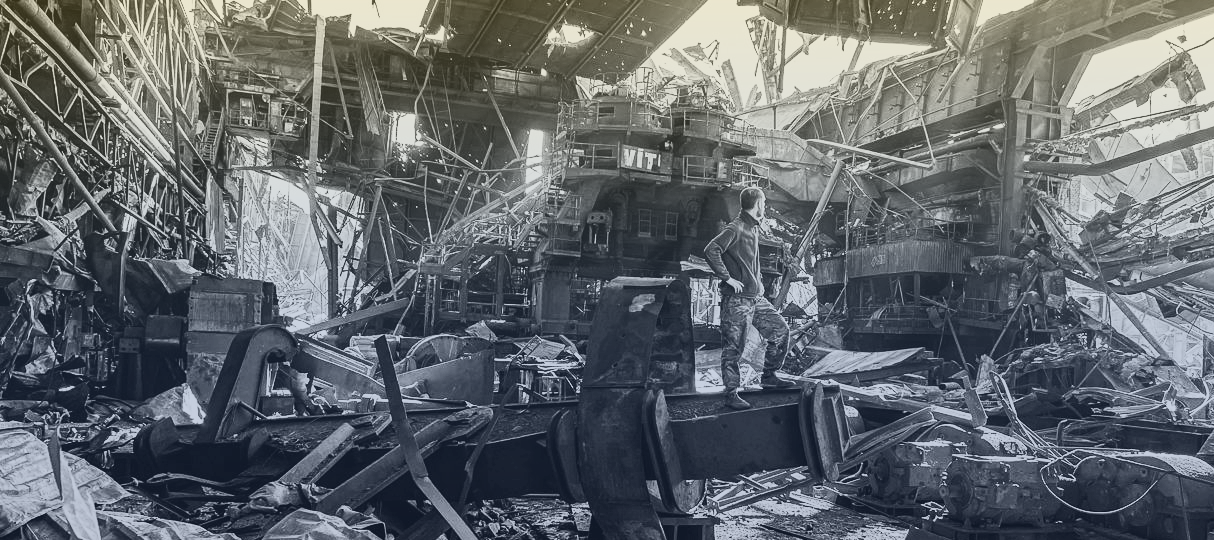
Reviving the Prospects for Coercive Diplomacy in Ukraine
The United States and its allies in the West have been unable to use the threat of military force to coerce Russia into stopping its war in Ukraine. In part, this is because the West is more concerned about...
Read more »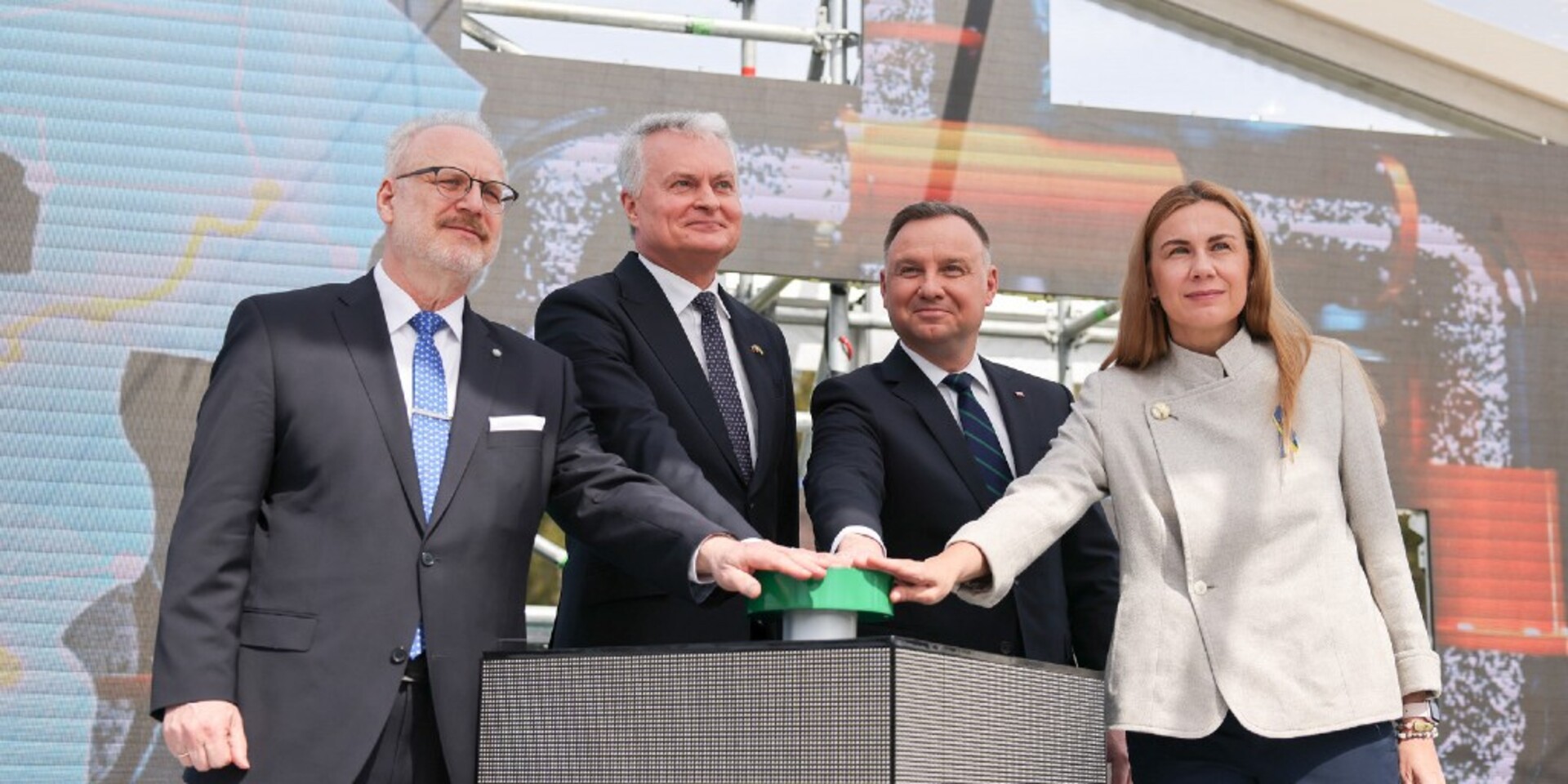
The Baltic Road to Energy Independence from Russia Is Nearing Completion
Estonia, Latvia, and Lithuania regained their independence from the Soviet Union in 1991. Reaching energy independence—i.e., disentanglement from Russia’s energy infrastructure and market—will have taken more than three additional decades. Even after all three countries joined the European Union...
Read more »