
A nation must think before it acts.

NATO
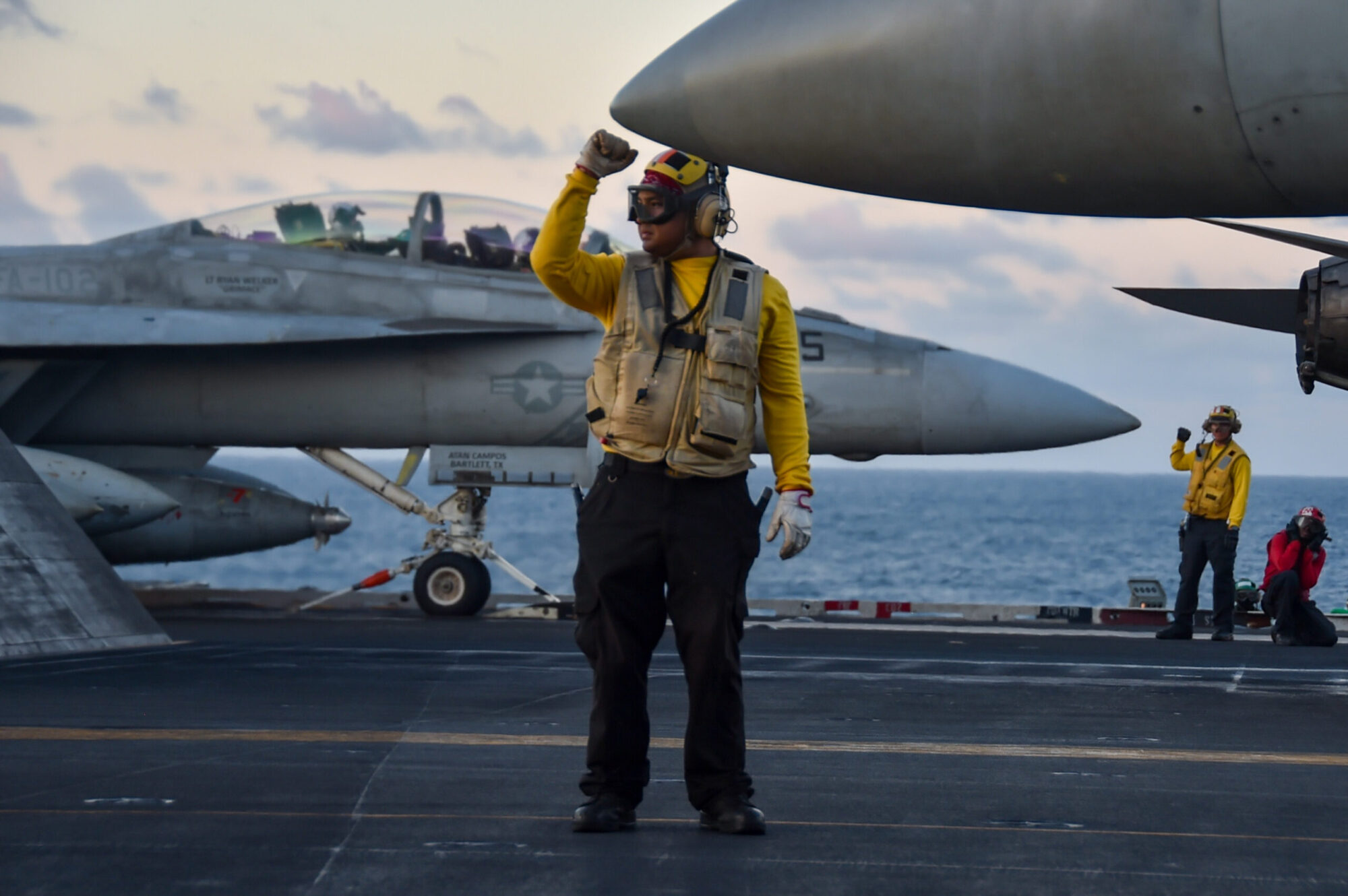
Geography, Bureaucracy, and National Security: The New Map
Editor’s Note: This is the second article in a series on America’s national security system. The first article considers whether or not the legacy national security system of the United States organized around geographic regions is well-suited for strategic...
Read more »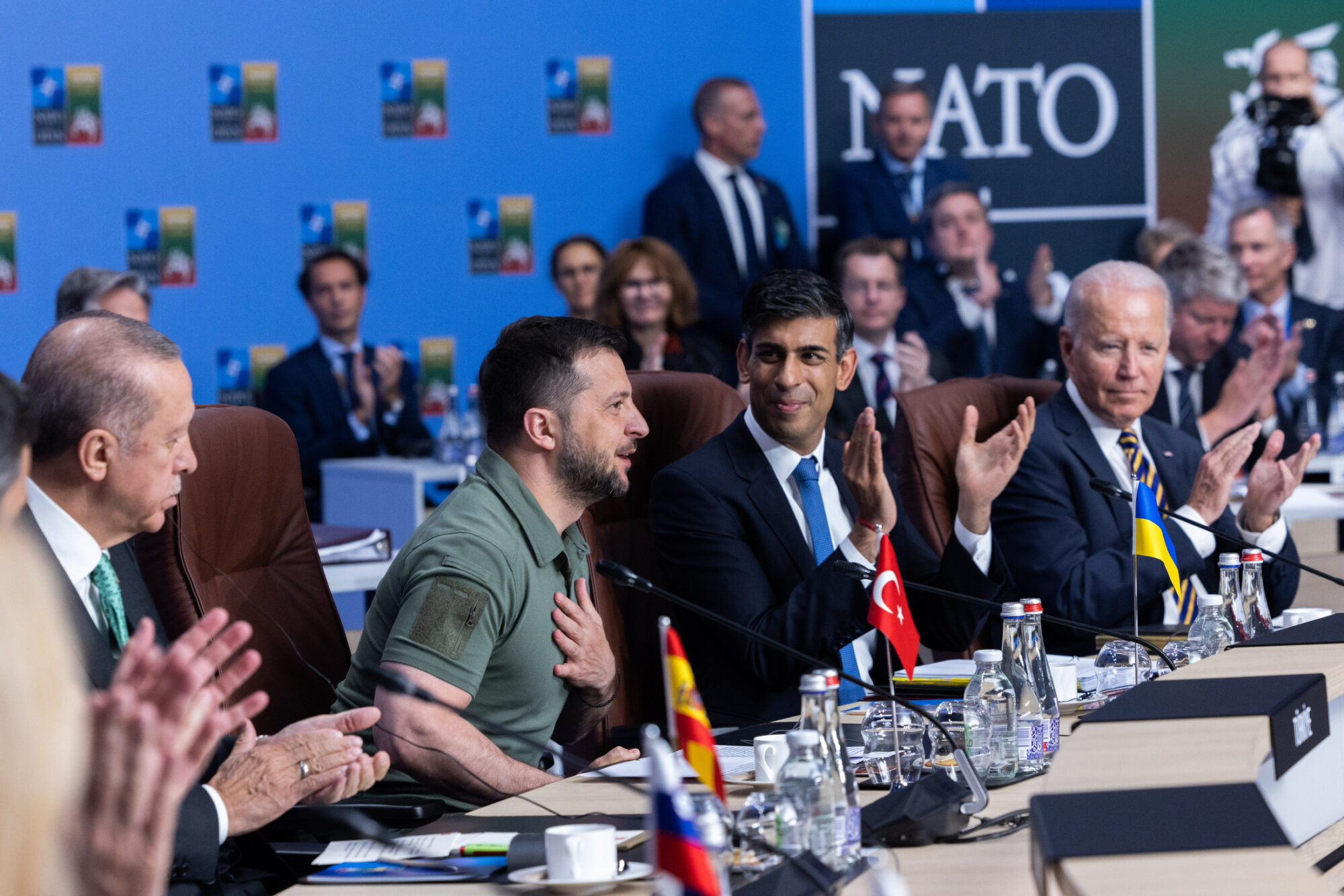
Off the MAP: Ukraine and the Problems of Expanding NATO
To join NATO, prospective members typically must follow a MAP, or membership action plan. The MAP has been NATO’s standard bureaucratic procedure to convert applicants into members for over two decades. After Poland, Hungary, and the Czech Republic joined...
Read more »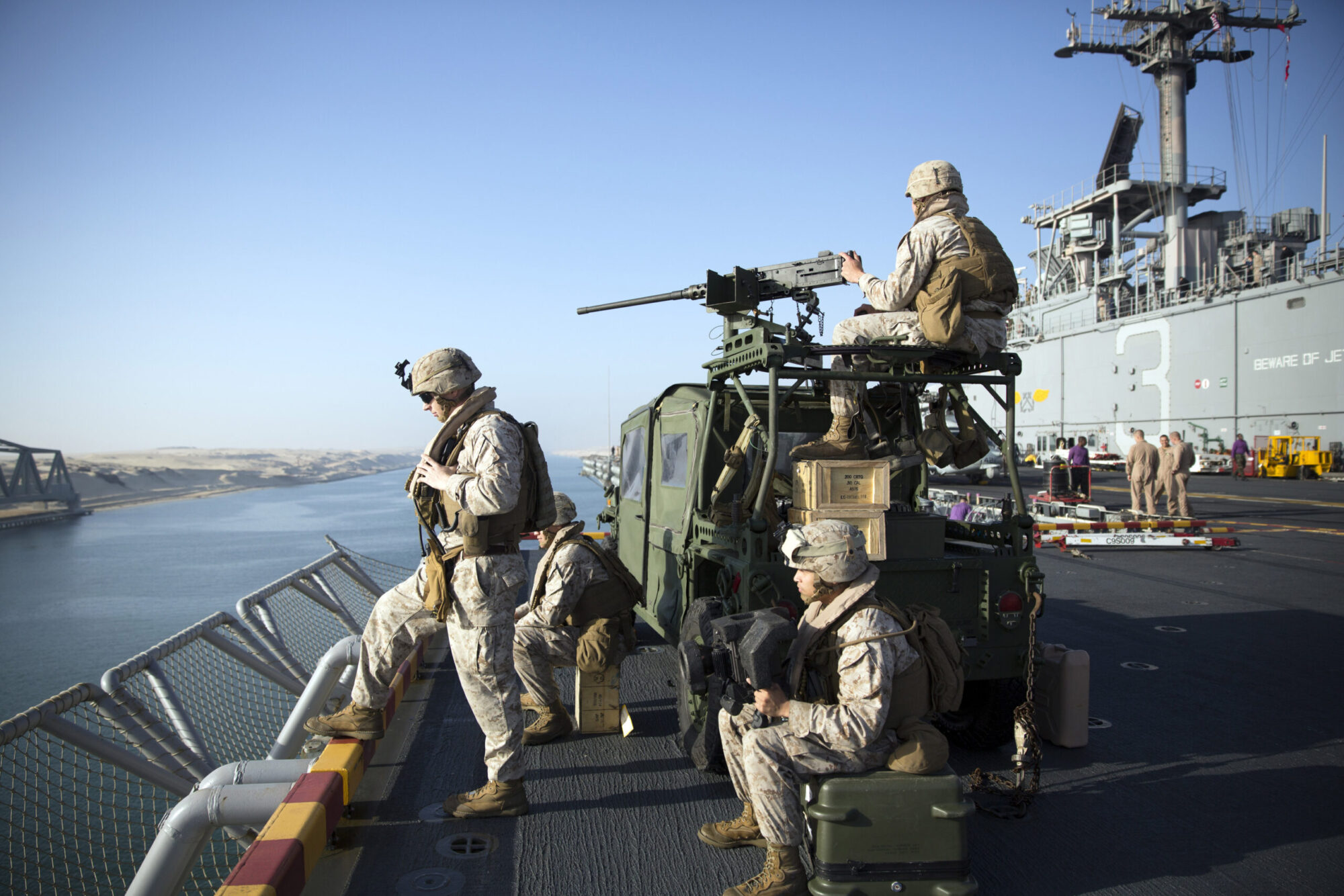
Geography, Bureaucracy, and National Security: The Legacies of the Cold War and Post-Cold War Periods
Editor’s Note: This first article in a series considers whether or not the legacy national security system of the United States organized around geographic regions is well-suited for strategic competition. The COVID-19 pandemic resulted in significant global upheaval,...
Read more »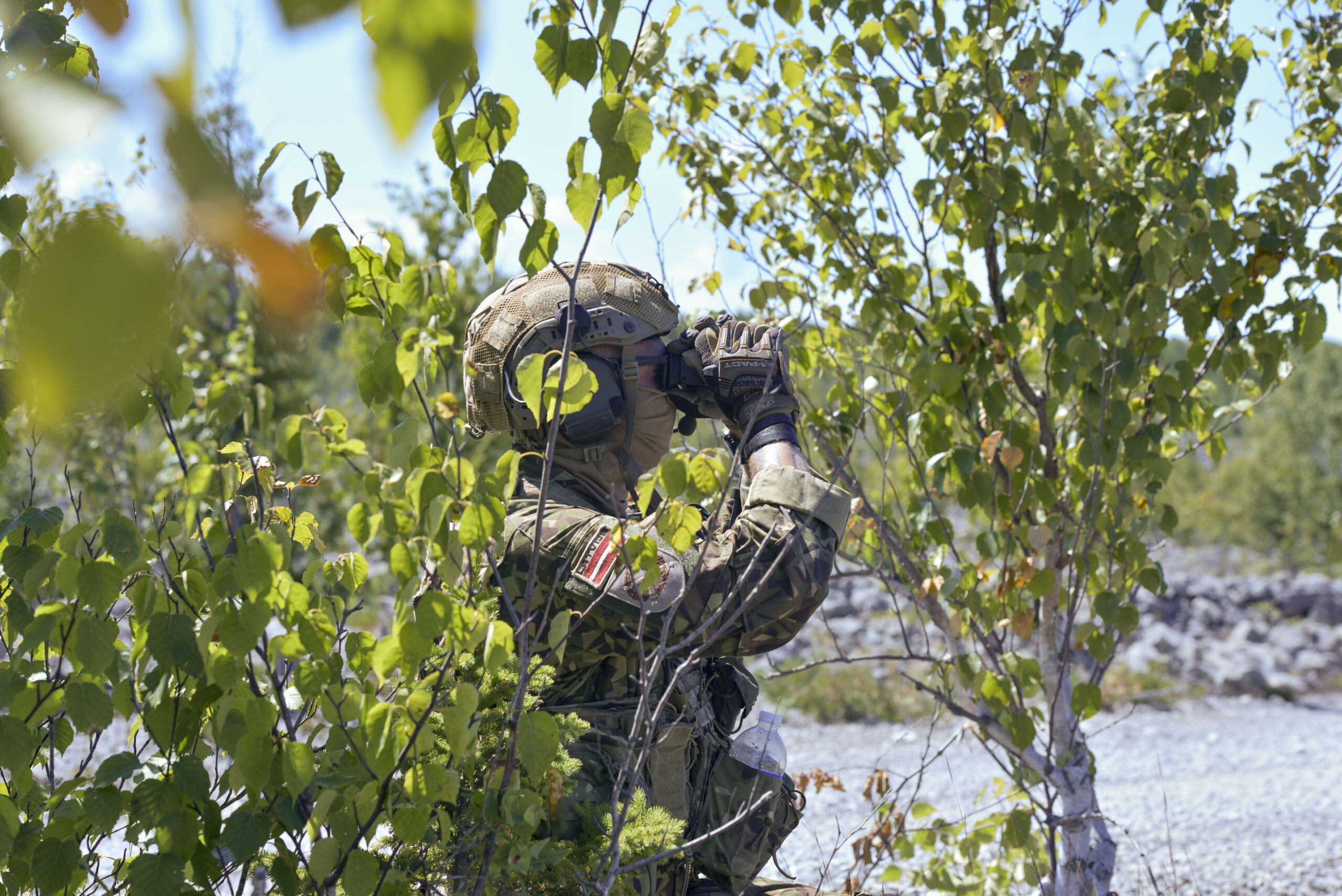
Latvia’s Military Industry Marks its First Decade
The Federation of Security and Defense Industries of Latvia recently celebrated its ten-year anniversary. Although the military industry in Latvia predates the federation, the industry has grown markedly in the last decade. The military industry in Latvia has developed...
Read more »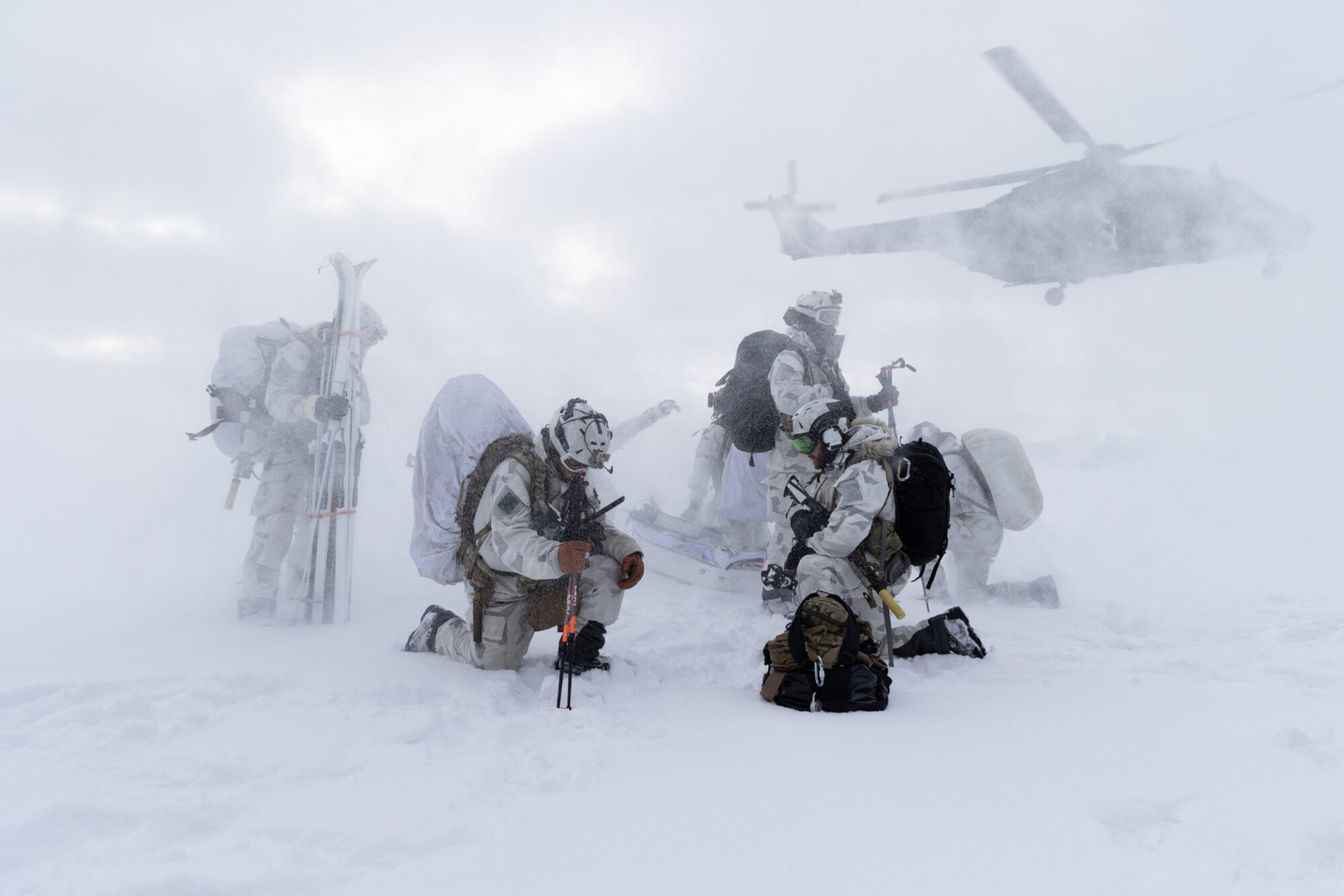
High North, High Tension: The End of Arctic Illusions
For a long time, the Arctic was seen as a zone free of geopolitical tensions. Apart from joint military drills between NATO members and Russia that were discontinued after Russia’s annexation of Crimea, “High North, low tension” was the...
Read more »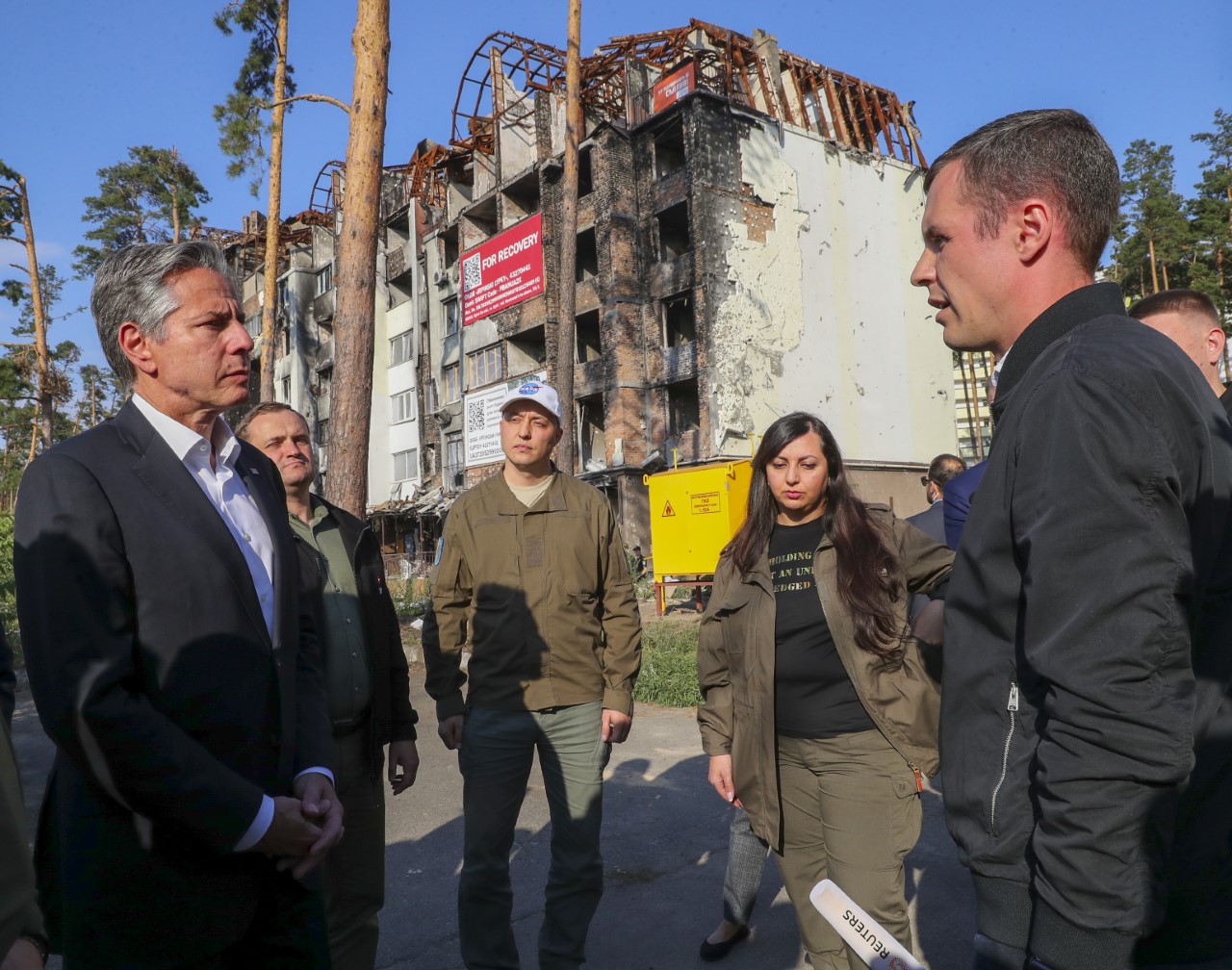
When Diplomacy Goes to War
As the war in Ukraine enters its second year, several questions remain about what the US government would have, could have, and should have done differently since the war started. Should the United States have funneled more weapons and...
Read more »
Seven Lessons from Latvia a Year After Russia’s Invasion of Ukraine
A year has passed since Russia escalated its war against Ukraine to a full-scale invasion. When writing about the first Latvian reactions to the Russian attack, we noted the geographical proximity with both aggressor and victim made Latvians feel...
Read more »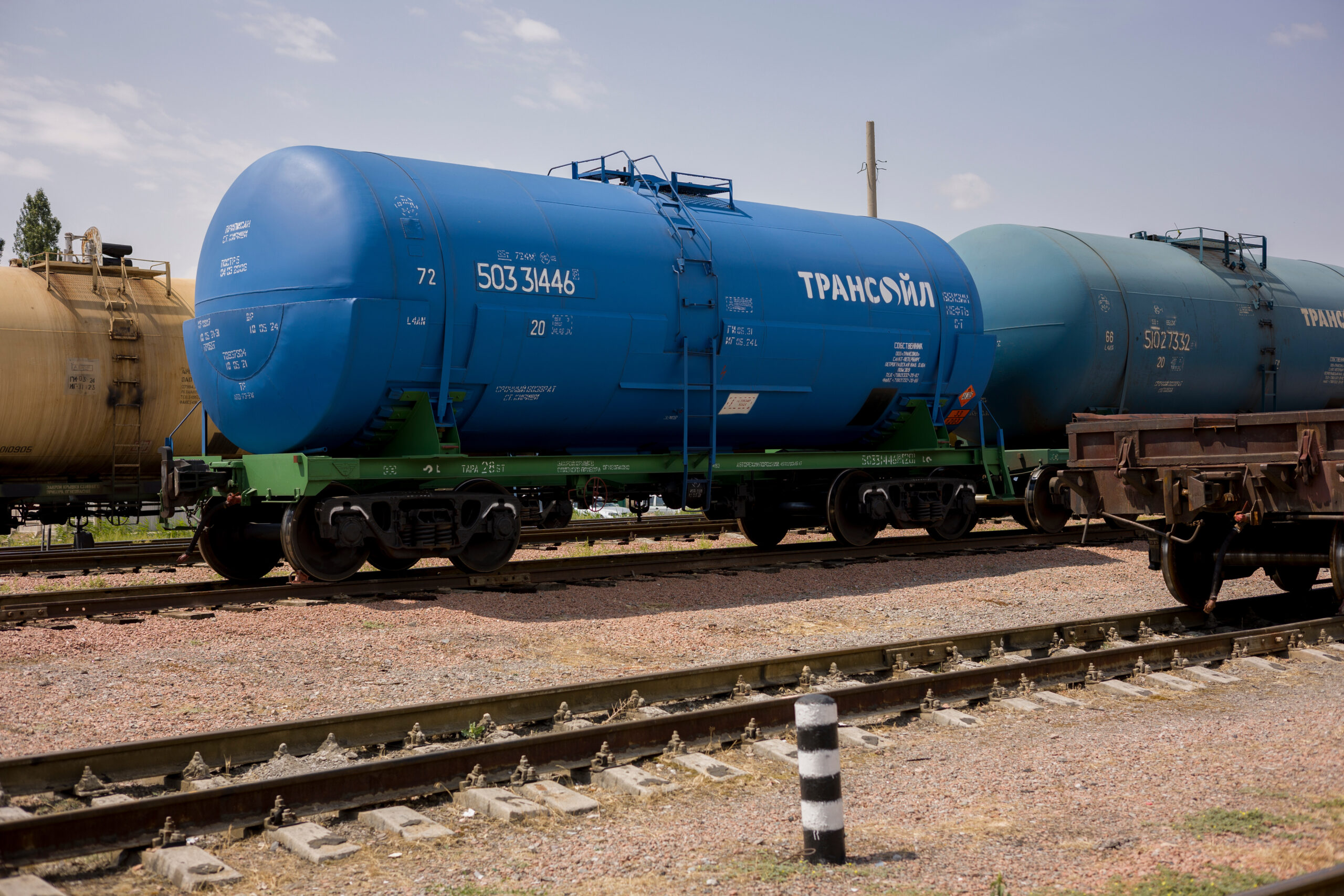
China Is Finally Making Progress on the China-Kyrgyzstan-Uzbekistan Railway
China has struggled to gain support from its Central Asian neighbors to build the China-Kyrgyzstan-Uzbekistan (CKU) railway since the 1990s. The CKU railway is crucial to China for two interconnected purposes—to advance its geopolitical interests and to secure favorable...
Read more »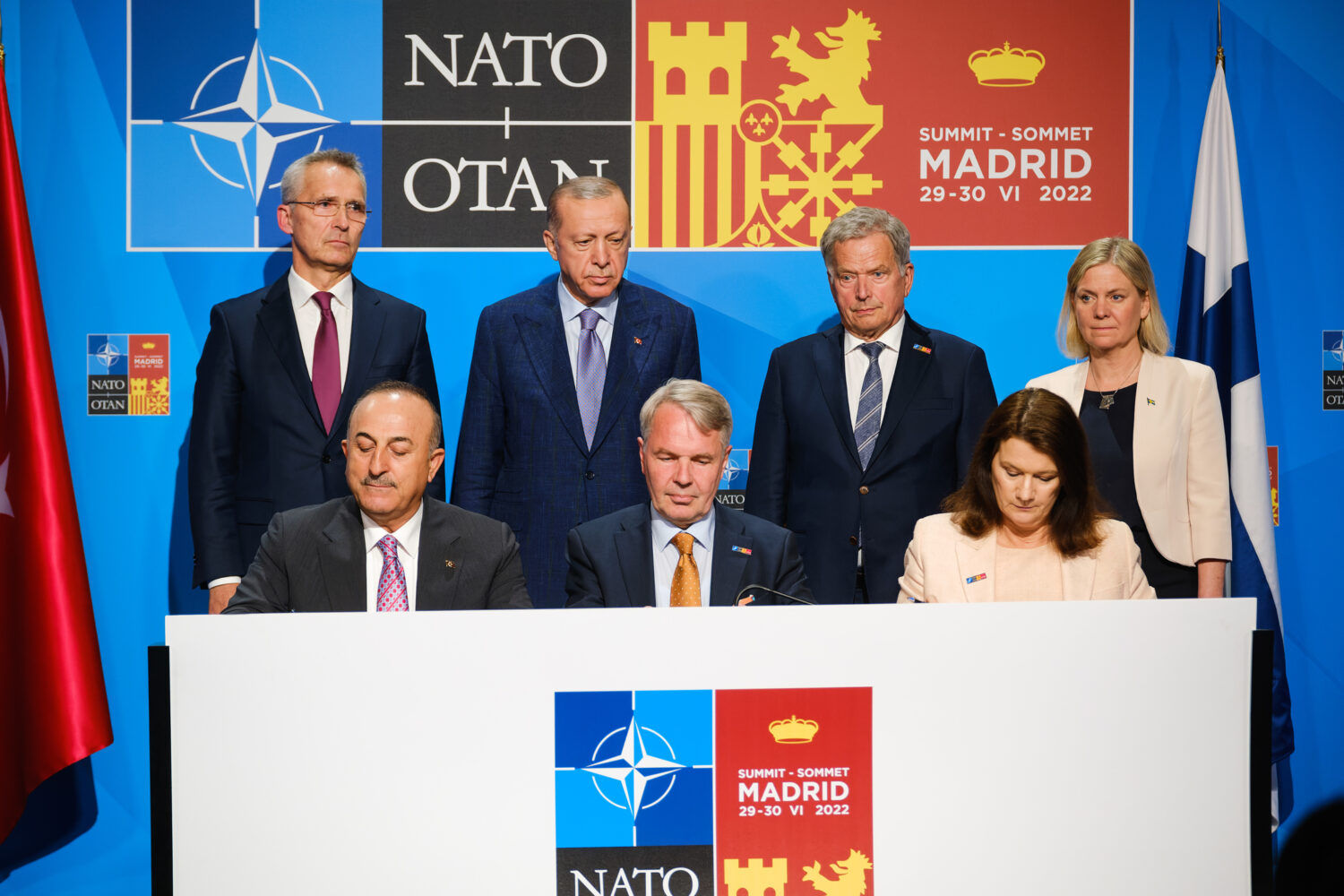
The Turkish Veto: Why Erdogan Is Blocking Finland and Sweden’s Path to NATO
Finland and Sweden grew closer to Western institutions in the post-Cold War era, and EU accession in 1995 meant that Stockholm and Helsinki finally abandoned their neutrality policies. Both countries remained militarily non-aligned but cooperation with NATO increased through...
Read more »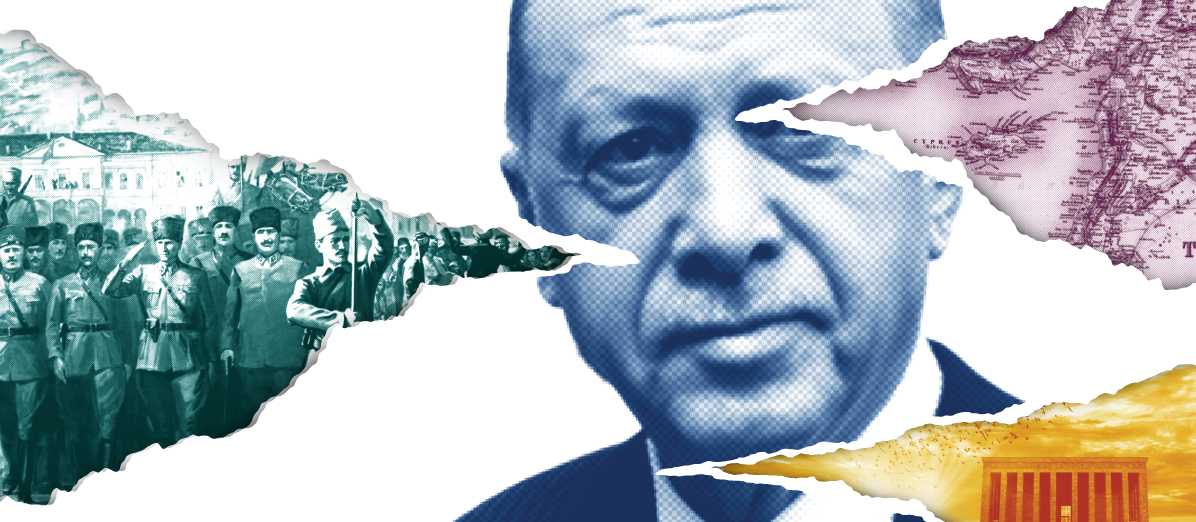
Turkey’s New Foreign Policy: Ankara’s Ambitions, Regional Responses, and Implications for the United States
For the past century, Turkey’s foreign policy has been driven by the need to preserve the achievements of the Lausanne Treaty in the face of often serious threats from major powers. As a result, Turkey was a predominantly...
Read more »