 A Nation Must Think Before it Acts
Iranian Missile Production Infrastructure after Epic Fury
A Nation Must Think Before it Acts
Iranian Missile Production Infrastructure after Epic Fury

A nation must think before it acts.

Iranian Missile Production Infrastructure after Epic Fury
Since the imagery hold over the Middle East for commercial providers like Planet Labs PBC was lifted a few months ago, an update on the state of Iranian ballistic missile production sites is in order. This analysis is also in light of a report by the Wall Street Journal which claimed Iran had resumed assembling ballistic missiles in underground facilities (UGFs) at sites like Khojir, near Tehran. The WSJ report indicated Iran was likely assembling new missiles from stockpiled components and that they may have begun expanding or constructing new tunnel complexes to better shield their missile production from future attacks.
The Initiative for Deterrence and Arms Control Team’s findings are broadly in line with that high-level assessment. Based on a survey of three Iranian missile production sites at Parchin, Khojir, and Shahroud, we see evidence of underground activity combined with limited progress clearing debris and reconstituting their aboveground missile production infrastructure. We chose those sites since they are the largest Iranian ballistic missile production sites with the most visible infrastructure, making it easier to create a high-fidelity assessment based on satellite imagery. The United States and Israel struck many other parts of Iran’s industry producing ballistic missile components, which may create bottlenecks in other parts of the production process in the future, as our former colleague Jim Lamson has laid out in several reports. Moreover, there may be other sites unidentified in the open-source where production and assembly may be occurring as well.
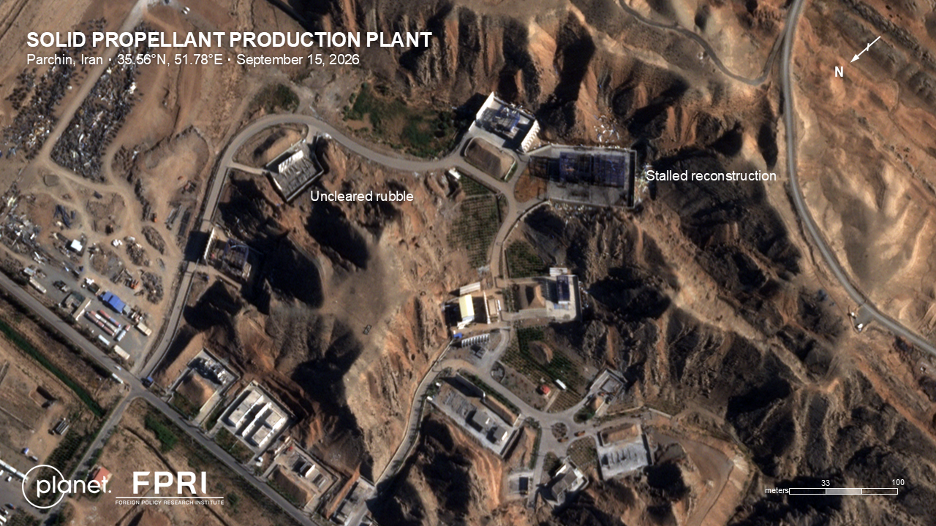
At Parchin, the solid propellant production site in the north of the facility is not operational. There is still rubble at production facilities from US and Israeli strikes during Operation Epic Fury. Some construction is underway, but those are projects to repair damage done during the 12-Day War in June 2025, and not the new damage caused by the more recent campaign. The Iranians will need to remove the debris, construct new buildings, and install equipment like planetary mixers and casting pits before production can resume there, which will take some time.
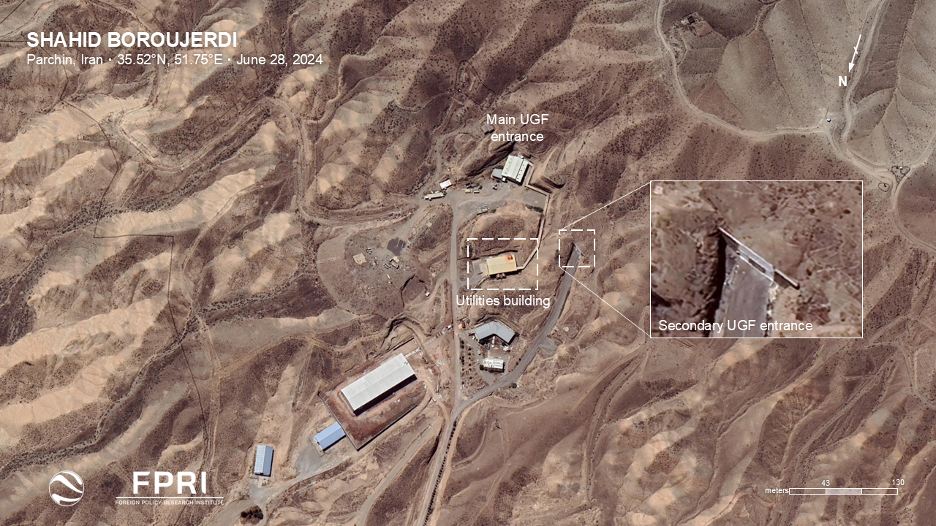
Near Parchin, there is a site called Shahid Boroujerdi. This facility would have housed uranium casting infrastructure as part of the Iranian nuclear program before it was canceled in the early 2000s. Diagrams of the tunnel complex there were stolen by Israeli intelligence as part of the Iranian Atomic Archive and have been made available via the Institute for Science and International Security.
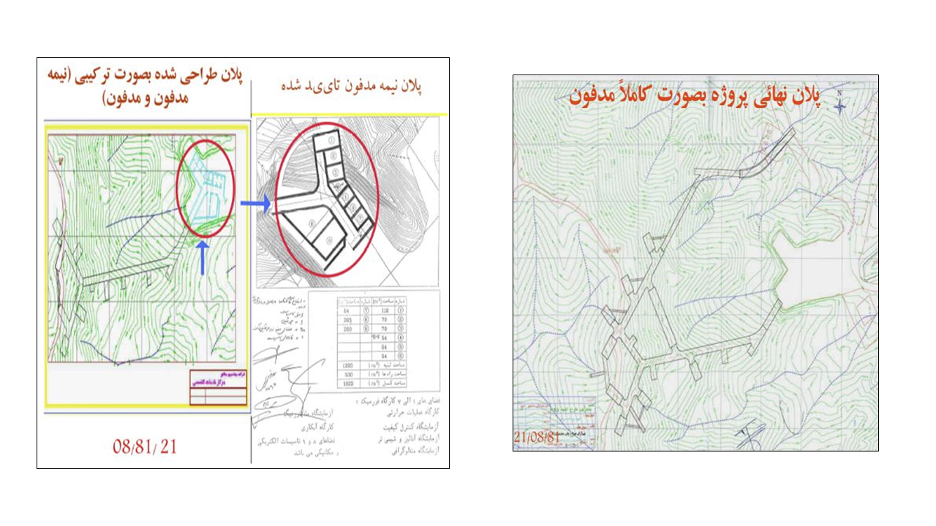
Diagrams of the tunnel complex at Shahid Boroujerdi, near Parchin, courtesy of the Institute for Science and International Security
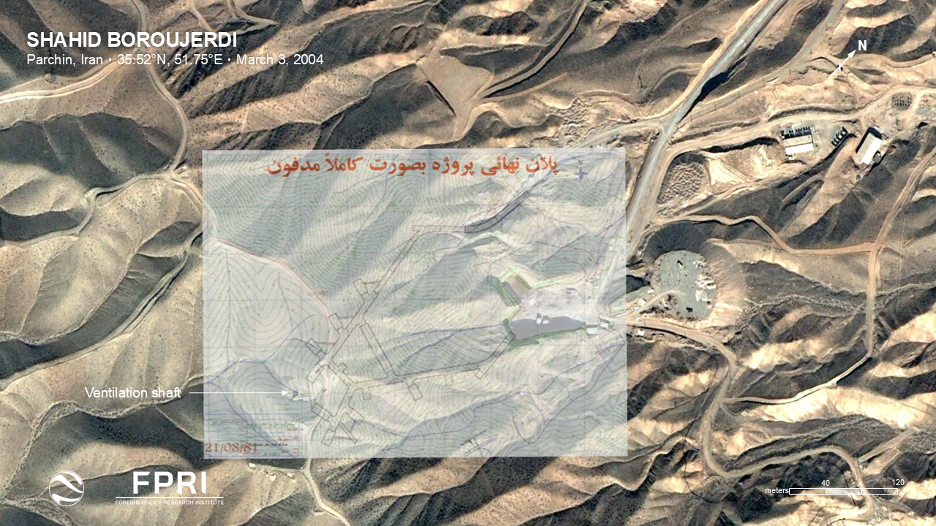
The tunnel complex at Shahid Boroujerdi was struck by several ground-penetrating munitions during the conflict, as previously reported by the Institute for Science and International Security. A ventilation shaft as well as key tunnel segments appear to have been struck, likely by the United States during Epic Fury. It seems likely the eastern wing of the tunnel complex is inactive, while the secondary west wing remains open. A utility building that likely provides power and other support functions to the tunnel complex was hit during the war. Similar buildings can be seen at other Iranian missile production sites such as Khojir and Shahroud.
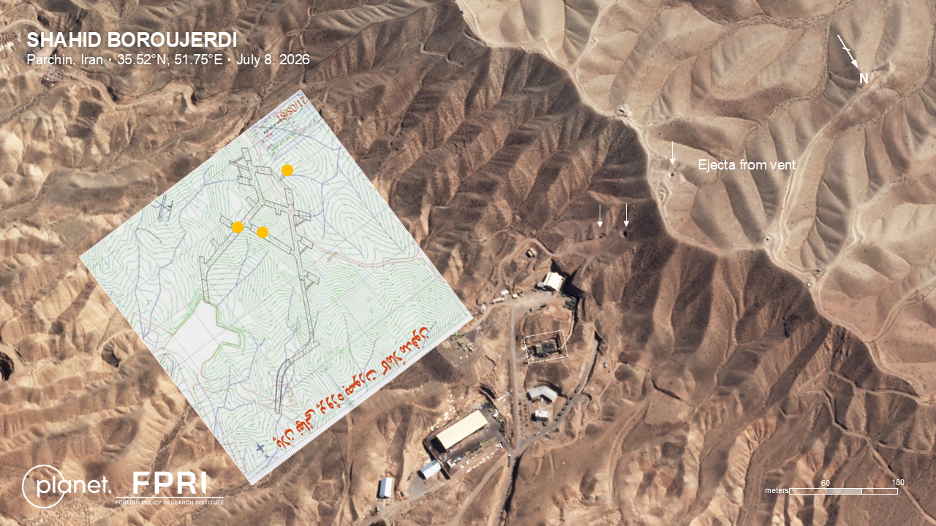
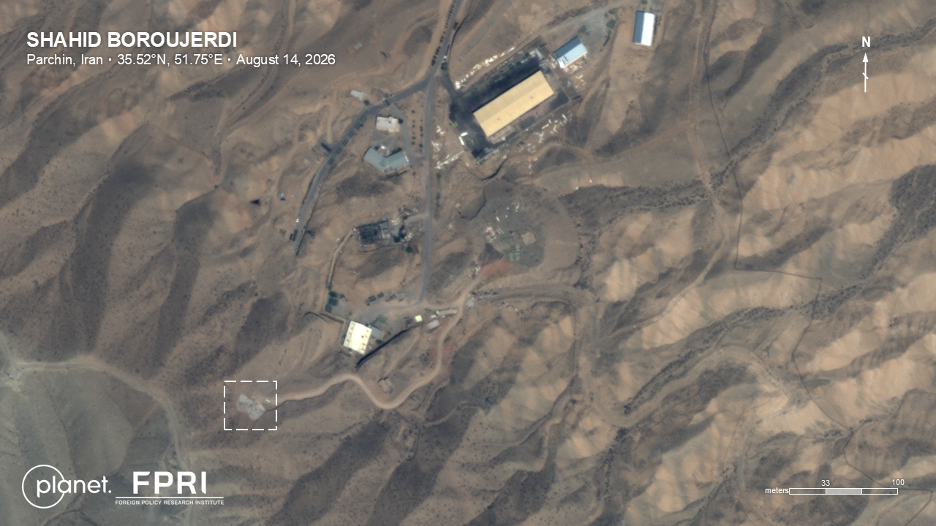
The utilities building was rebuilt rapidly after the ceasefire went into effect. The craters made by ground-penetrating munitions have also been filled in with dirt, similar to how the Iranians filled craters left by the Massive Ordnance Penetrators at Natanz and Fordow.
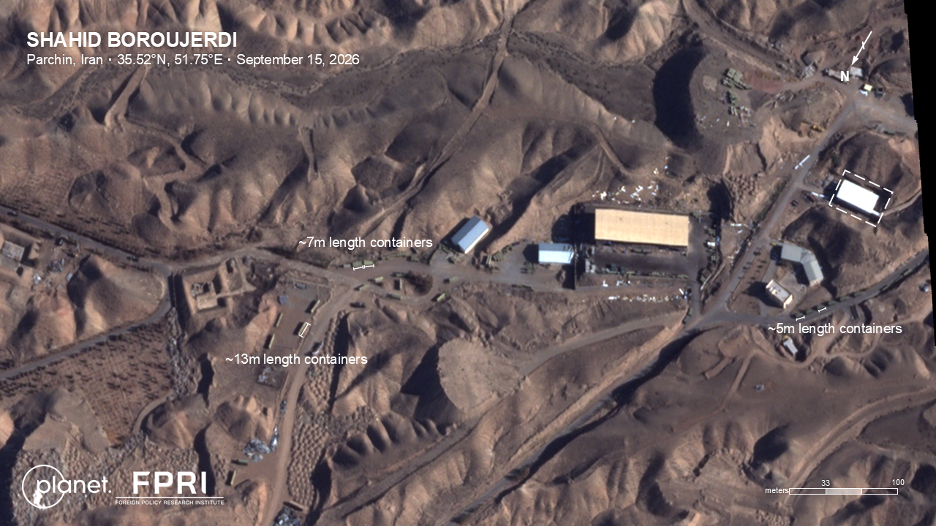
Moreover, a number of large canisters or containers of varying length can be seen outside the Shahid Boroujerdi tunnel complex. The canisters range from approximately five to 13 meters in length. We assess these may be canisters for missiles, since they are similar in appearance to those seen at Shahroud and other Iranian missile production sites. Shahid Boroujerdi may, therefore, now have a role in missile production or assembly, given the nature and level of activity there now. The longer canisters could contain ballistic missiles, while the shorter ones could contain cruise missiles or surface to air missiles.
The sprawling defense-industrial complex at Khojir experienced serious damage during the recent war and nearly every part of the site was damaged. Both of the solid propellant production sites, the older Shahid Bagheri Industrial Group site as well as the newer site in the western part of the complex, are not operational and are still strewn with debris. They will require a similar level of effort to the solid propellant site at Parchin before they are operational.
The United States and Israel also extensively struck sites associated with liquid propellant missiles such as Shahid Cheraghi, Shahid Rastegar, and Shahid Movahed. The Iranians have similarly made little progress in addressing the damage to those sites, with large amounts of debris preventing operations at those sites. The only significant underground facility at Khojir is the one associated with Shahid Movahed, likely involved in final assembly for the liquid propellant missile program.
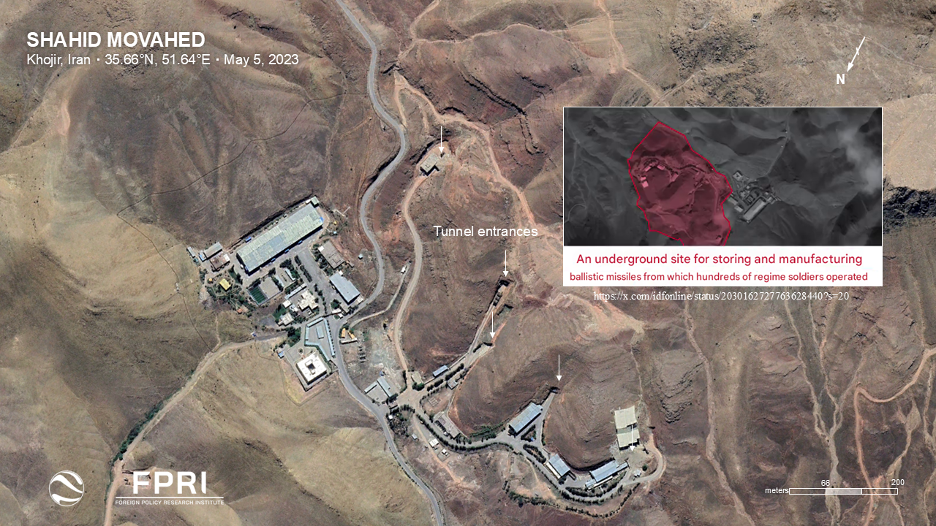
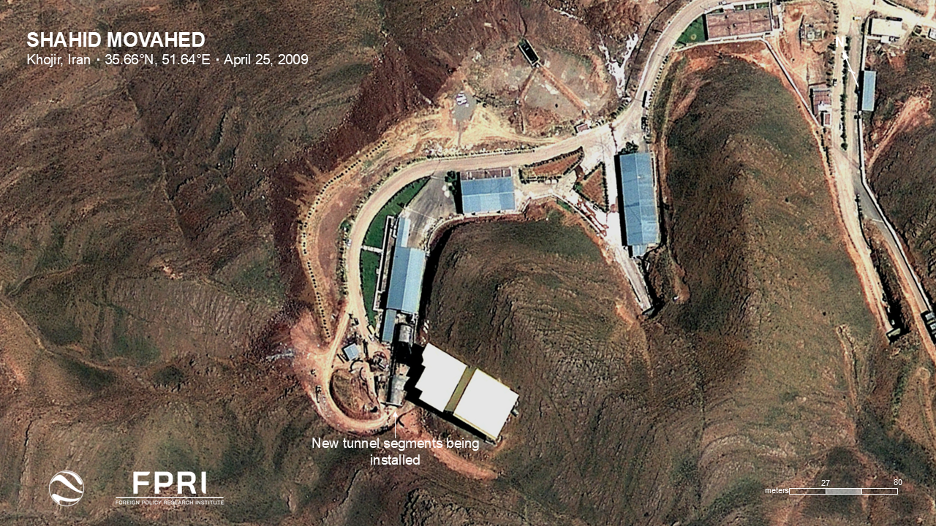
Several of the tunnel entrances to the Shahid Movahed UGF were struck with ground-penetrating munitions, and some appear to remain closed. One tunnel entrance is likely open, two others may or may not be open, while the largest tunnel entrance remains sealed.
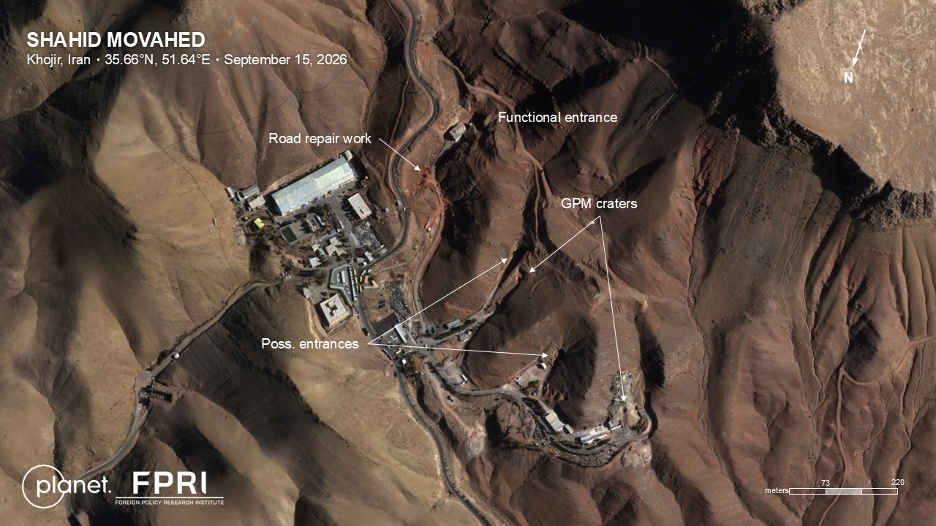
The lack of activity at the Shahid Movahed site, especially compared to Shahid Boroujerdi, suggests the Iranians are not assembling missiles underground at Khojir. This is inconsistent with the WSJ reporting. While there may be a major UGF at Khojir that we failed to identify, the extant damage and lack of activity at Shahid Movahed leads us to believe that if underground missile assembly is happening in Iran, it is not there.
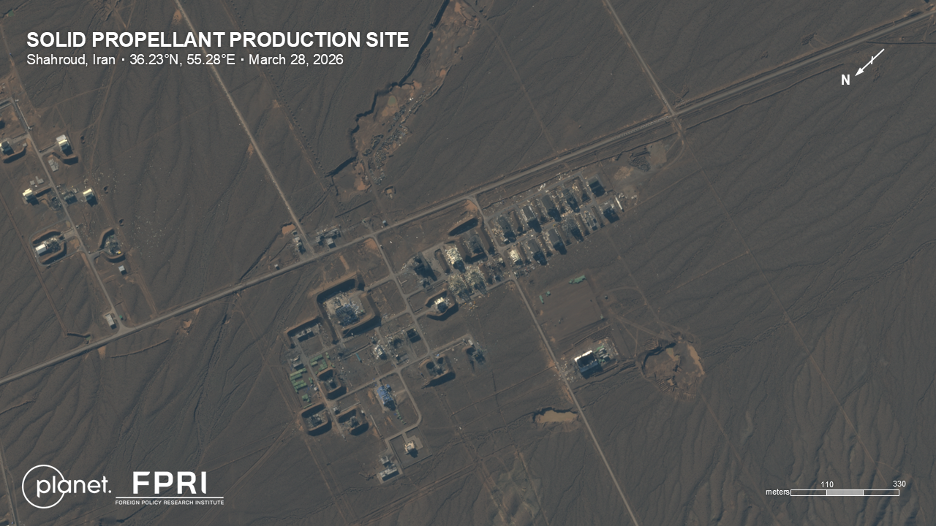
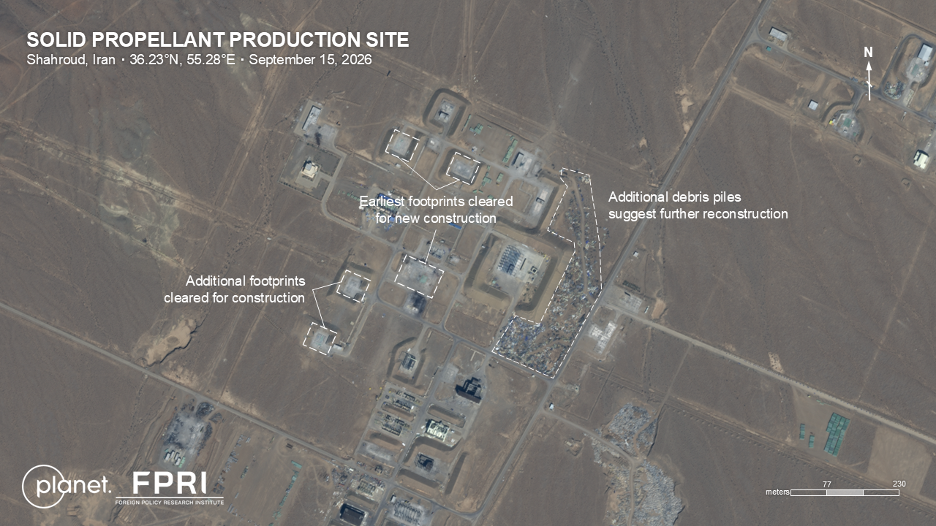
The solid propellant production complex at Shahroud took similar levels of damage as those at Parchin and Khojir, and has seen similarly limited Iranian reconstitution efforts.
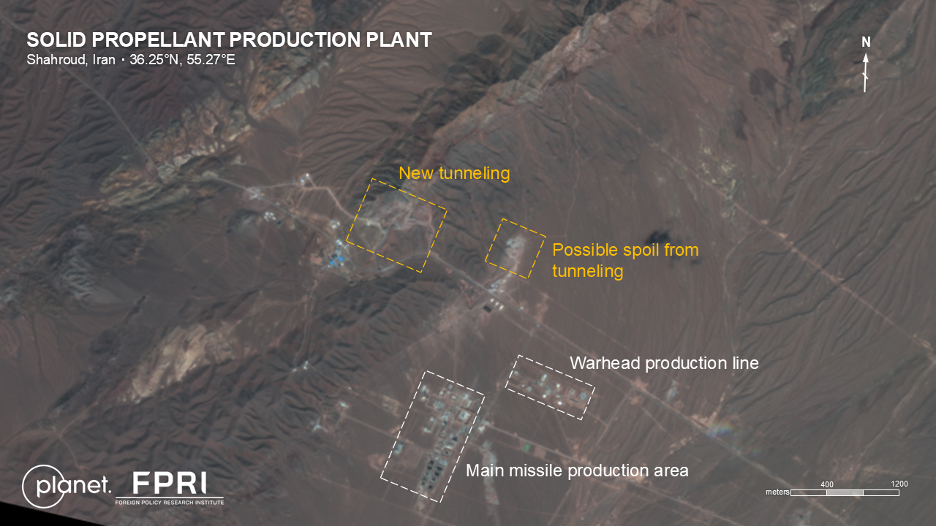
Debris clearing operations at Shahroud appear more advanced than at Khojir and Parchin, but there has been little progress in returning the site to operation. A few building skeletons remain and show early signs of repair. However, many buildings need to be rebuilt and large quantities of equipment reinstalled before this site can produce missiles again.
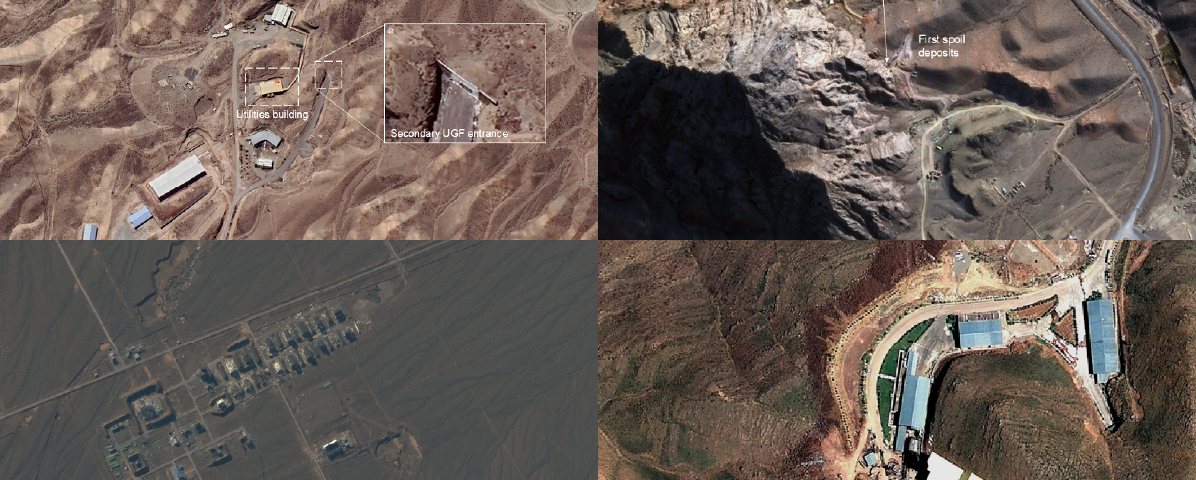
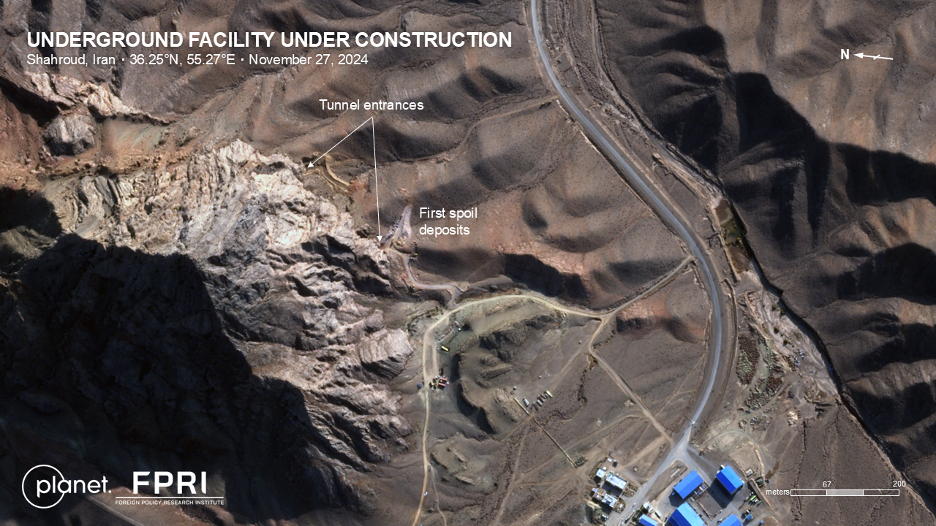
The Iranians are also digging out a tunnel complex at Shahroud. Initial efforts to dig two tunnel entrances into the mountain to the north of the solid propellant production line, but just east of the housing and administration area, began in fall 2024.
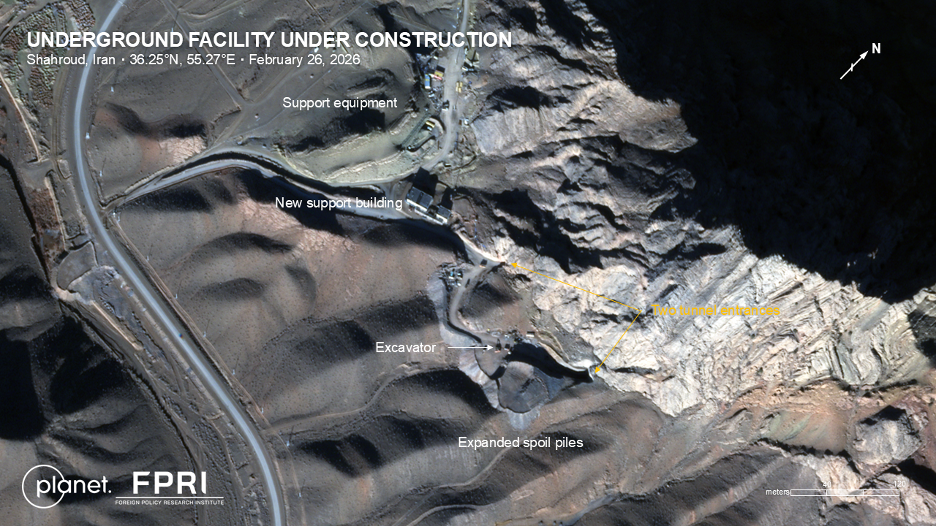
The Iranians have continued digging out the complex since Operation Epic Fury began and have likely begun adding a third tunnel entrance as well. Spoil from the digging effort can be seen piled at the mouth of the tunnels and may have been spread across the Shahroud complex as well.
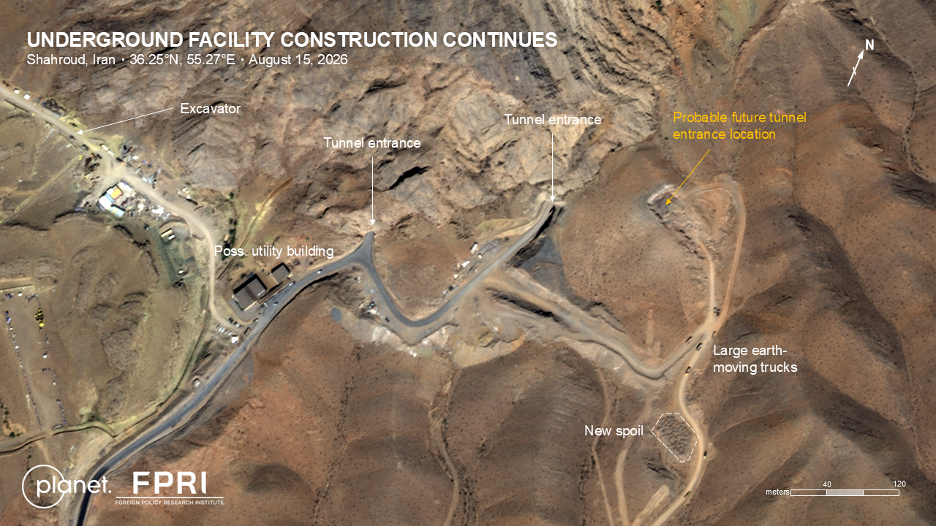
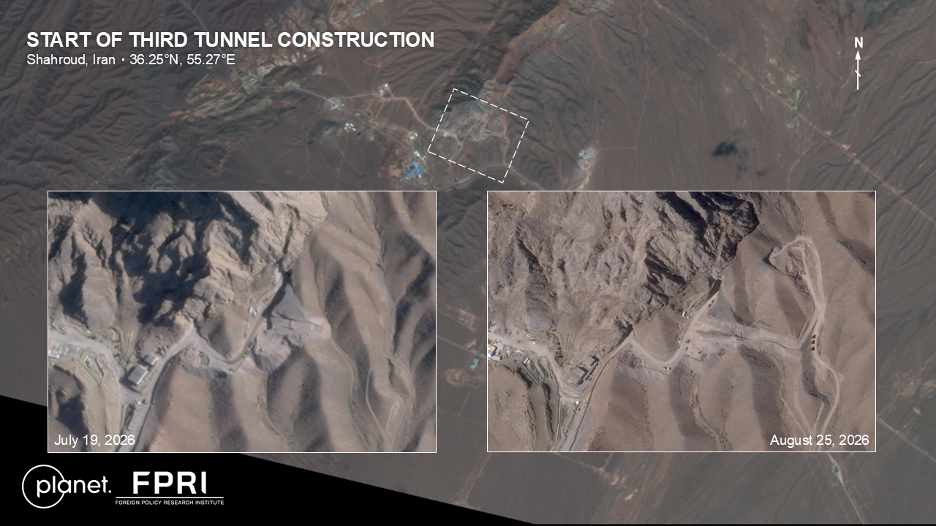
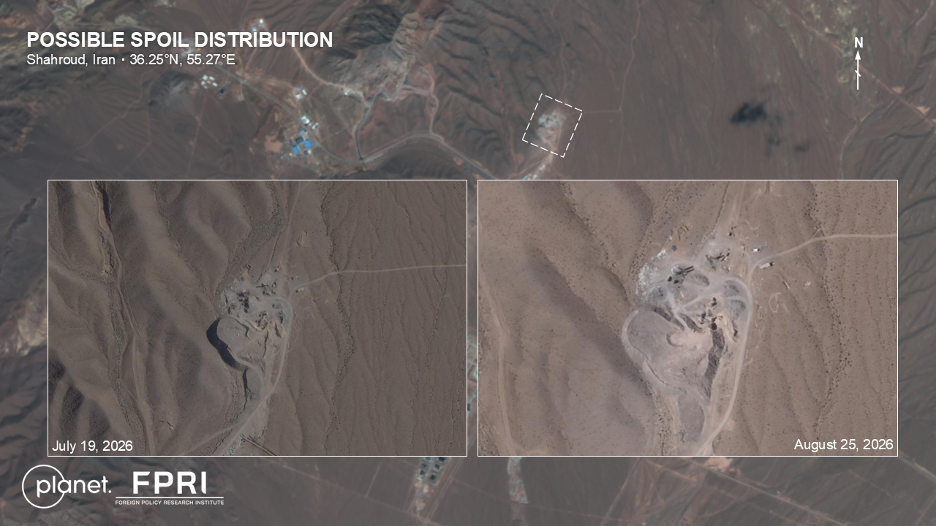
This new tunnel complex may be part of the Iranian efforts to move critical production and assembly efforts underground as referenced in the WSJ article, but it is hard to know for sure. However, given the dearth of non-missile related activity near the Shahroud site, it seems likely the tunnels will protect missile related activity.
It is difficult to estimate how long it will take the Iranians to return to production at these sites. If they focused their efforts on one site, say Shahroud, the Iranians could be making missiles again within a year. The Iranians appeared to have largely repaired the external damage to that site from the 12-Day War within four or five months last year, though it is difficult to assess the state of damage to essential equipment such as planetary mixers which could extend the reconstruction timeline. Given the greater amount of damage done to the site during Epic Fury, fixing it would take longer, but if the Iranians continue to have access to the specialized equipment they need, either through domestic production or international purchases, any of these sites could be operational again within a year. It merely depends on what Iranian leadership decides they want the future of their missile production infrastructure to look like.