 A Nation Must Think Before it Acts
The UAV-Enabled Anti-Air Defense Campaign in the Third Gulf War
A Nation Must Think Before it Acts
The UAV-Enabled Anti-Air Defense Campaign in the Third Gulf War

A nation must think before it acts.

The UAV-Enabled Anti-Air Defense Campaign in the Third Gulf War
In late 2020, drones burst onto the national security scene in a new way. During the Nagorno-Karabakh war between Turkey and Armenia that year, videos of Turkish long-endurance TB-2 and loitering Harop drones identifying and striking Armenian air defense systems flooded the internet. Even more sophisticated Russian systems like the S-300 were marked, monitored, and destroyed by Azerbaijan’s force of Turkish and Israeli drones. These images garnered lots of media attention at the time, and helped inaugurate a new role for drone warfare—hunting air defense systems.
The videos were more revelatory than innovative. The Israelis and, later, the Americans have used drones to spot air defense sites since the technology began to proliferate in the 1970s. However, with age comes innovation—specifically through the use of data links and high-definition video to share information with regional “shooters” and then to “market” success to an audience eager to understand how the war is unfolding.
The current American and Israeli campaign against Iran has demonstrated the utility of drones for surface-to-air missile (SAM) and ballistic missile destruction and suppression. Using open-source techniques, we are able to track those advances using publicly available information from sources like state media and satellite imagery. Videos and images from the war, dubbed Operation Epic Fury by the United States, demonstrate how American long-endurance drones are being used to identify, monitor, and destroy Iranian air defenses as part of the broader air campaign against the Islamic Republic—and in some cases then pass data to other shooters in the region to destroy the SAM.
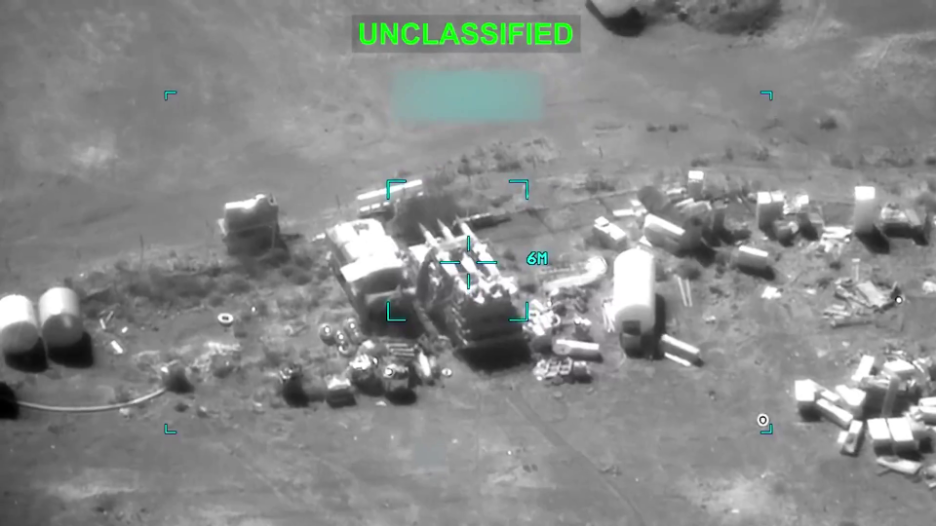
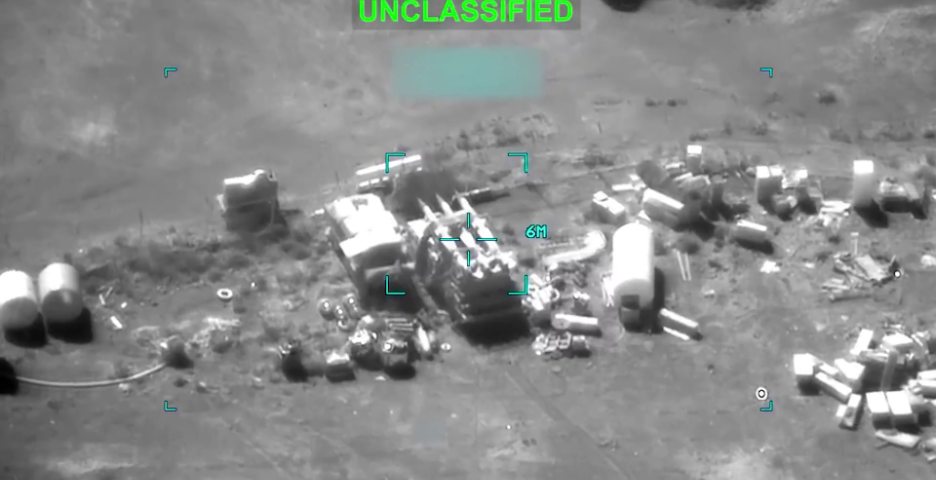
US Central Command has released dozens of videos compiling clips of US air strikes on a diverse array of Iranian targets. These videos typically consist of sensor footage from a drone or aircraft, which tracks a target, often marks the target with a laser, and records some kind of guided munition destroying the target. Based on the speed and quality of the footage, and its similarity to videos released of US strikes on boats in the Caribbean, the majority of the footage is taken by US long-endurance drones like the MQ-9 Reaper. Footage released from targeting pods on faster-moving jet aircraft appears qualitatively different from most of these videos. Reporting also indicates much of the footage comes from drones including MQ-9s.
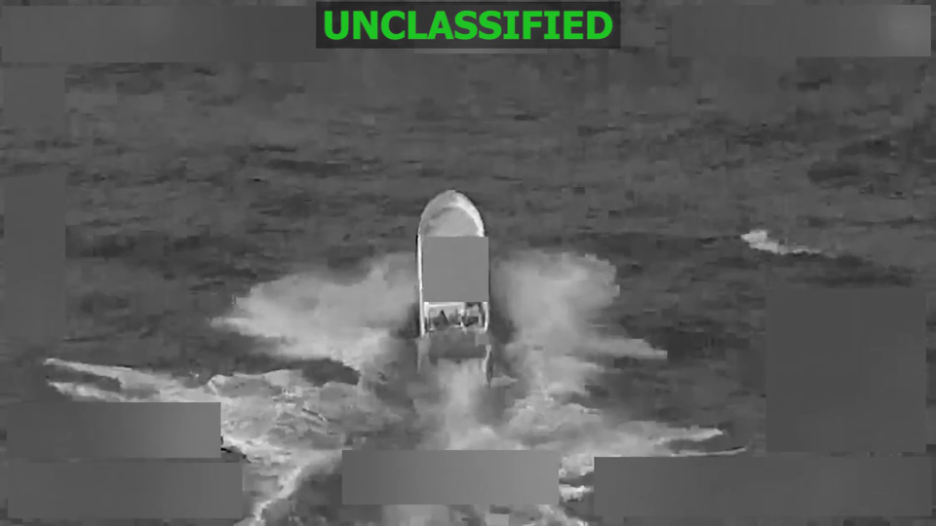
Image of a strike in the Caribbean for comparison. Note the censored reticule in the center of the image.
The MQ-9 is armed, and can carry Hellfire missiles or gliding Small Diameter Bombs to destroy targets. It can also likely cue longer-range fires against targets, providing “buddy lase” for laser-guided weapons delivered by other aircraft. Indeed, some of the CENTCOM videos imply drones are cueing up Precision Strike Missile strikes from High Mobility Artillery Rocket Systems launchers, though whether that is really the case is unclear. While there is no direct evidence of this being the case, the US Navy and Air Force have touted exercises where a drone or F-35 datalink is used to pass coordinates to a ground-based shooter to target air defense components.
Based on an examination of more than 35 videos released by CENTCOM, US drones helped destroy several elements of the Iranian air defense systems. The drones helped destroy at least three radars. Of the three destroyed radars, one clip showed a guided bomb destroying a derivative of the Soviet Spoon Rest P-12A radars, perhaps a Matla-ul-fajr-3, after it was painted by a drone. The Iranians have previously touted the Matla-ul-fajr series as key to providing early warning and serving as part of their integrated air defense network. Those radars provide early warning for the air defense network (such as it is) around the nuclear site at Natanz, and as such are some of Iran’s more important radar systems.
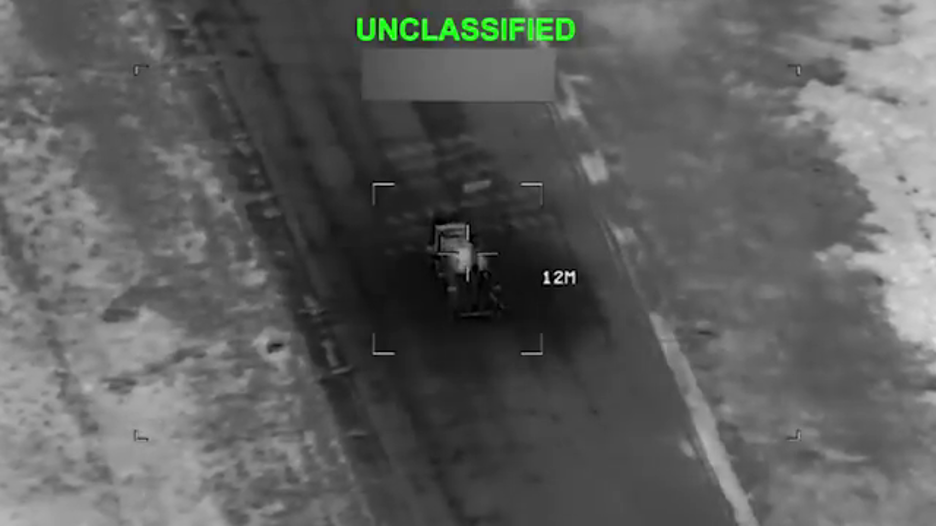
A Spoon Rest-derived radar struck in a video released on February 28, 2026.
While the road looks different to the Spoon Rest derivative shown destroyed in the CENTCOM video, one of those radars was destroyed very early in this round of conflict, at a site north of Kashan.
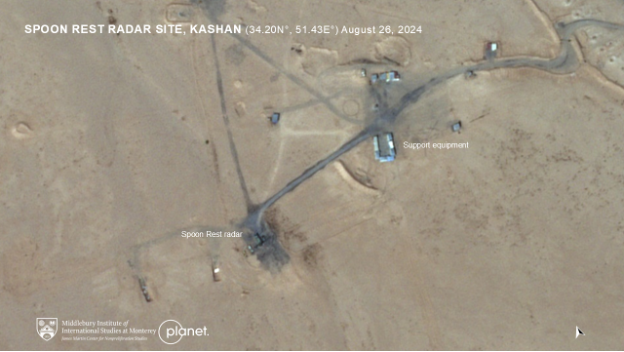
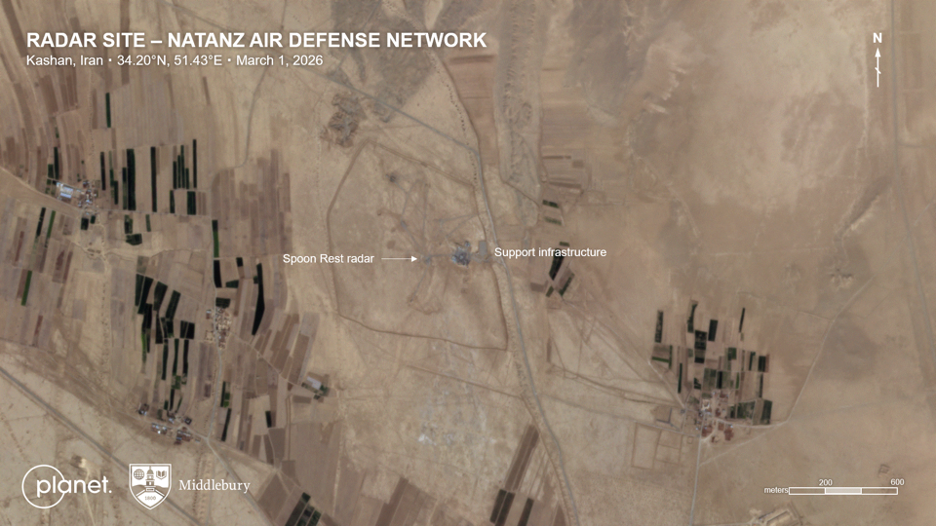
The strike on the early warning radar near Kashan was on the same day that the United States struck the entrances to the underground enrichment halls at Natanz nuclear facility.
Beyond blinding the sensors, American drones have helped destroy Iranian air defense shooters of all vintages.
Many of the videos include clips of guided bombs hitting anti-aircraft gun emplacements.
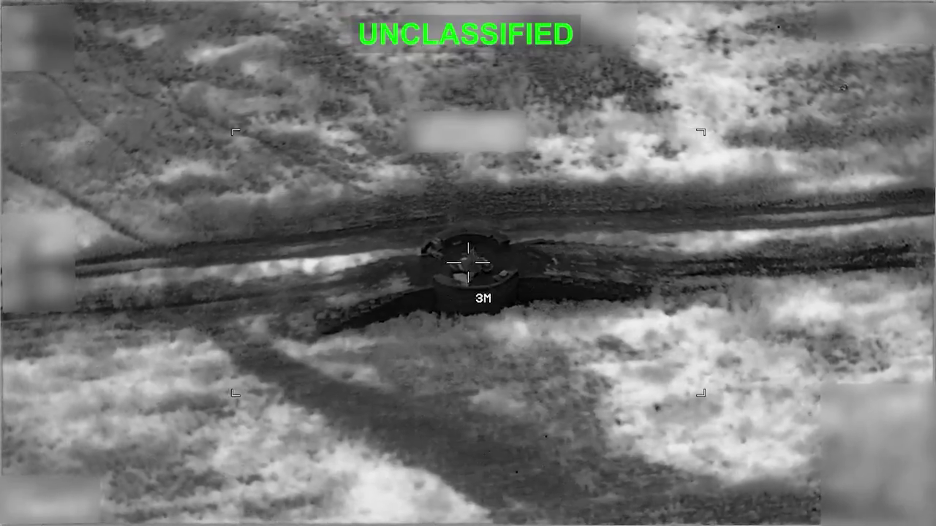
An anti-aircraft gun site struck in a video released on March 6, 2026.
The US has used the drones to target many older SAMs as well. One clip shows a bombing of what appears to be an SA-2/HQ-2, another an SA-5, and several clips show what are either leftover HAWKs from the pre-revolutionary era or the Iranian reverse engineered version of that SAM, the Shahin.
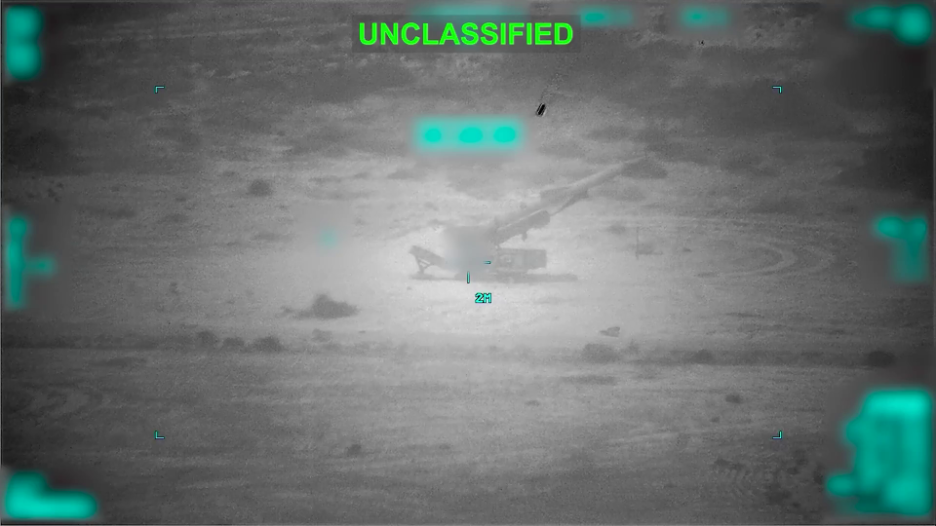
SA-2/HQ-2 in a video released on March 4, 2026.
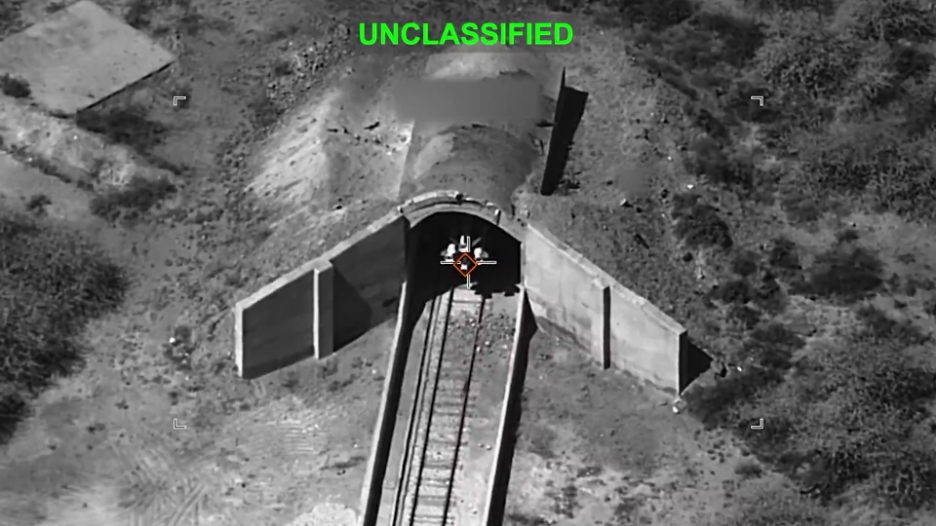
A Soviet SA-5 site with rails and concrete cover in a video released on March 11, 2026.
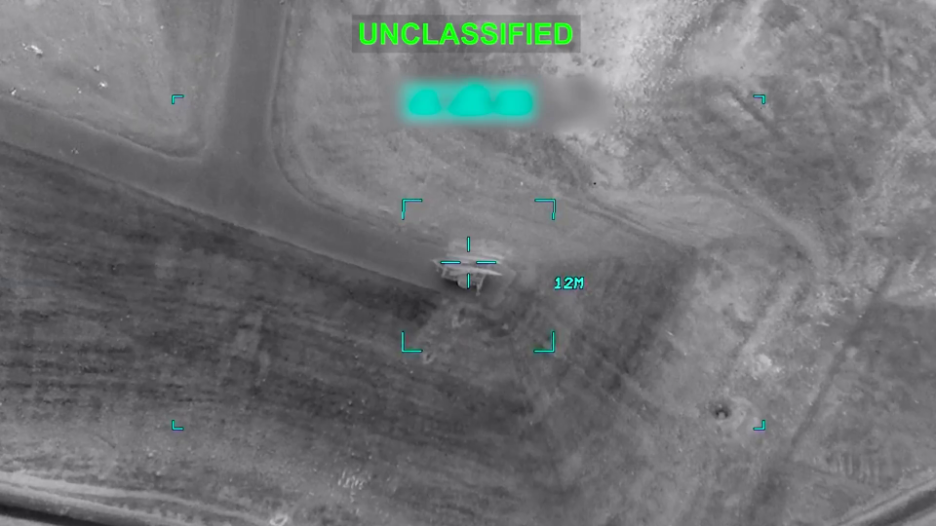
A HAWK or Shahin launcher at an elevated launch site in a video released on March 15, 2026.
More contemporary Iranian SAMs have been caught by American drones as well. What appears to be a Raad-1 SAM system was destroyed. The Raad-1 uses the Taer-1, an Iranian copy of the SA-6 Gainful.
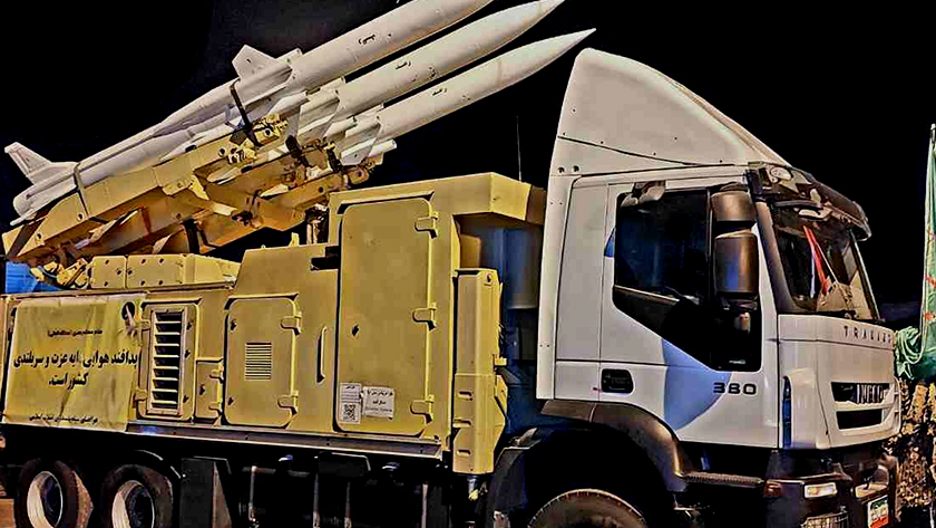
Raad-1 system armed with Taer-1 SAMs, derived from the Soviet SA-6.
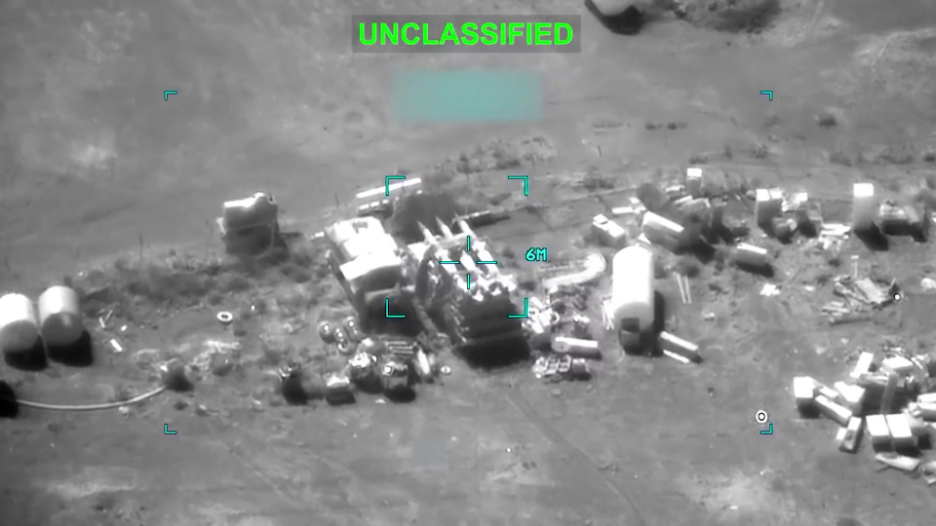
Raad-1 system in a video released on March 13, 2026.
The most advanced Iranian SAM systems shown being destroyed thus far are likely Khordad-15s. The Khordad-15 can use both the Sayyad-2 and Sayyad-3 SAMs. The Sayyad-2 is a reverse engineered version of the American SM-2, and the Sayyad-3 is an improved version of that copy with a longer range.
Two videos show a drone lasing a Khordad-15 launcher shortly before a guided munition hits it.
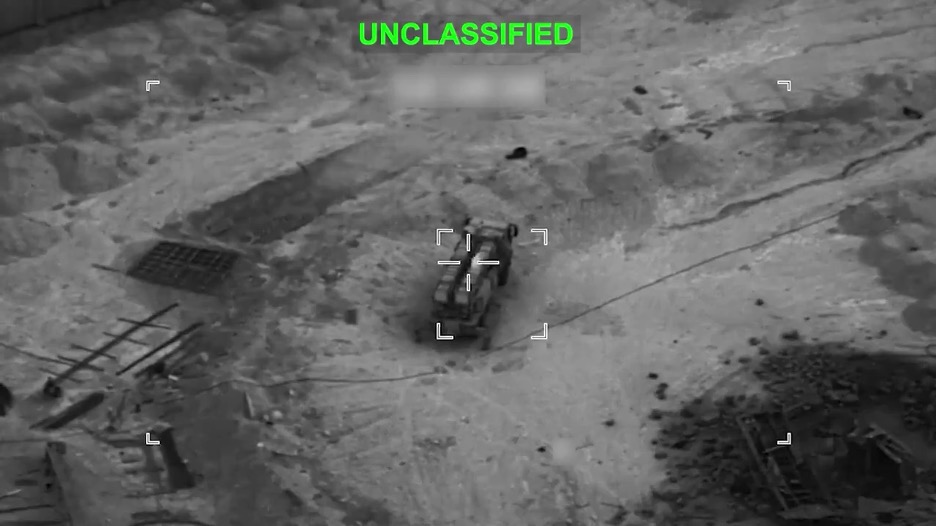
A likely Khordad-15 launcher lased by a drone in a video released on March 9, 2026.
In one video, the launcher cooks off, suggesting it was loaded with SAMs.
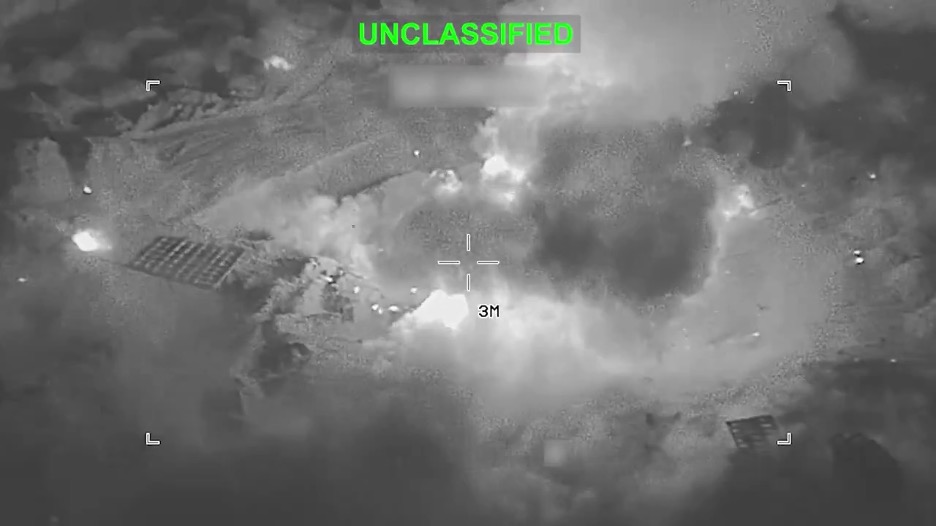
The SAMs in a likely Khordad-15 launcher cooking off after a strike in a video from March 9, 2026. Note the dual exhaust in the bottom of the screen, which matches the canister placement in the previous image.
While likely not any of the SAMs appearing in the videos, an air defense site next to the airbase near Isfahan which housed both an SA-5 launcher and more modern Iranian mobile SAM launcher was shown to have been destroyed in satellite imagery.
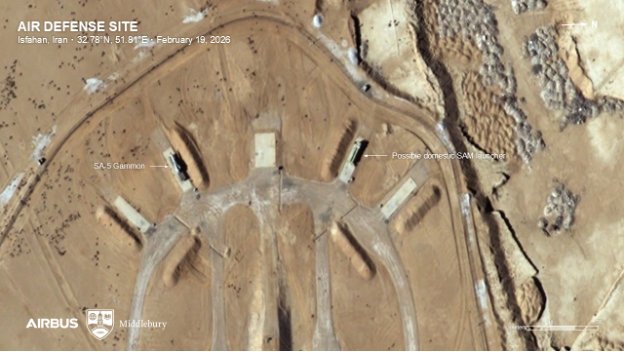
The curious blend of old and reverse-engineered SAMs at the same site apparently did not pose much of an issue to either the US or Israeli air forces.
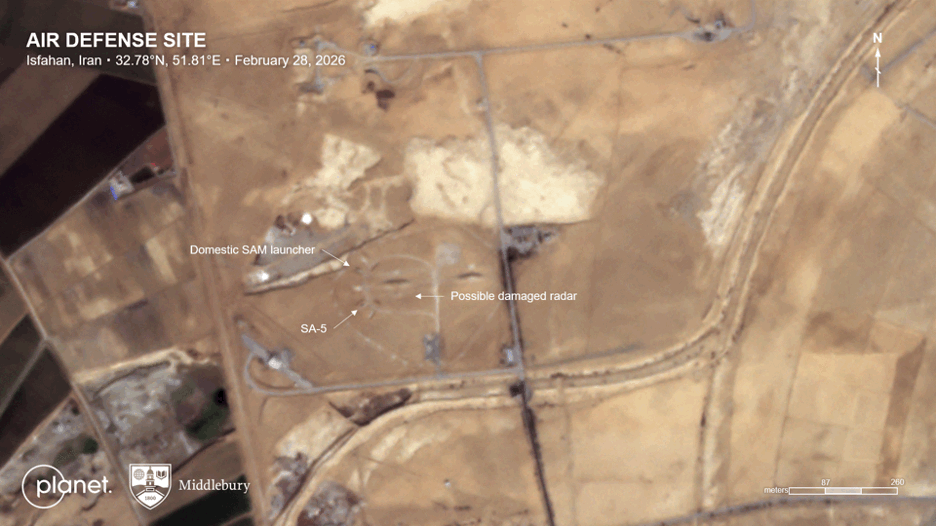
That air defense site had previously hosted one of Iran’s four S-300 systems. However, the Israelis destroyed the radar for that system in the aftermath of True Promise 1 and the remaining S-300 components were either relocated or put into storage soon after.
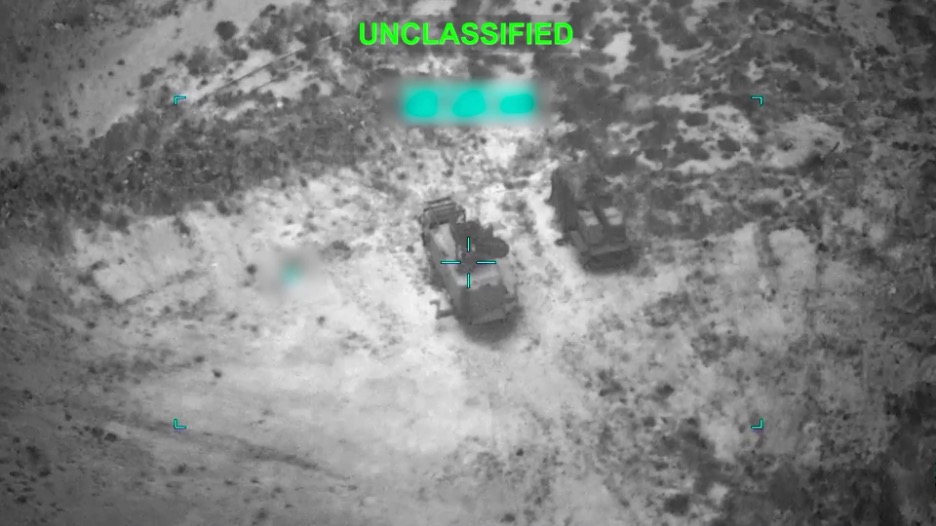
A likely Cobra V8 with antennas deployed in a video released on March 18, 2026.
A final interesting type of target attacked by US drones are Iranian electronic warfare systems. Multiple videos have shown what appear to be Cobra V8 EW system. This system, which resembles the Russian 1RL257E Krasukha-4, is supposed to jam radars and complicate drone operations. Given two examples of drone-aided destruction of Cobra V8s in the examined videos, it seems to be less than effective against American platforms.

The US drone operation in Iran is dependent on many factors. The USAF has localized air superiority, so the large and lumbering drones are able to operate deep inside Iran. However, as was the case during Operation Rough Rider in Yemen, even disparate and poorly operated air defense can target these drones. According to the Wall Street Journal, the United States has lost up to 11 drones during Epic Fury, although not all can be attributed to surface to air missiles. In at least one case, according to author interviews, happened when an Iranian ballistic missile struck the hangar a US MQ-9 was housed in in Jordan. Yet, when one stacks up the losses of Iranian missiles to drones against losses, the so-called cost exchange ratio remains in favor of the United States.