 A Nation Must Think Before it Acts
Intern Corner
A Nation Must Think Before it Acts
Intern Corner

A nation must think before it acts.

The Foreign Policy Research Institute (FPRI) prides itself in providing training to its interns in research and policy analysis, editorial skills, and in the field of international relations broadly. FPRI interns have gone on to hold key posts in the US government, including first US Ambassador to Kosovo, Coordinator for Counterterrorism in the State Department, Special Advisor to the Chairman of the Joint Chiefs of Staff, Strategic Advisor to the Commander of Cyber Command, and Undersecretary of Defense.
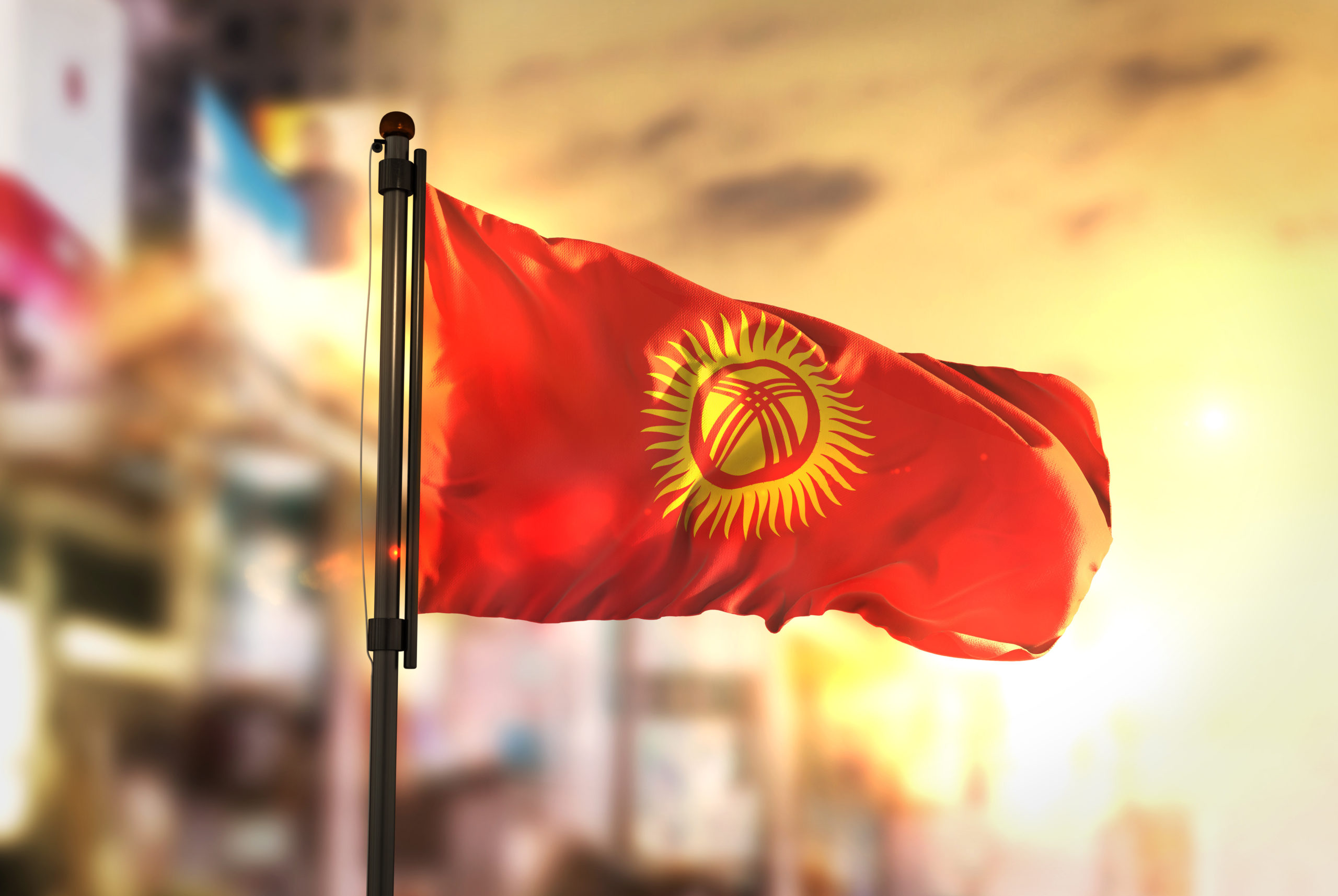
Event Report on the Situation in Kyrgyzstan and Its Implications
On October 4, Kyrgyzstan held parliamentary elections. Four political parties received enough vote to garner seats in the parliament. Of those four, three were closely aligned with then-President Sooronbay Jeenbekov. The results of the election sparked outrage against the...
Read more »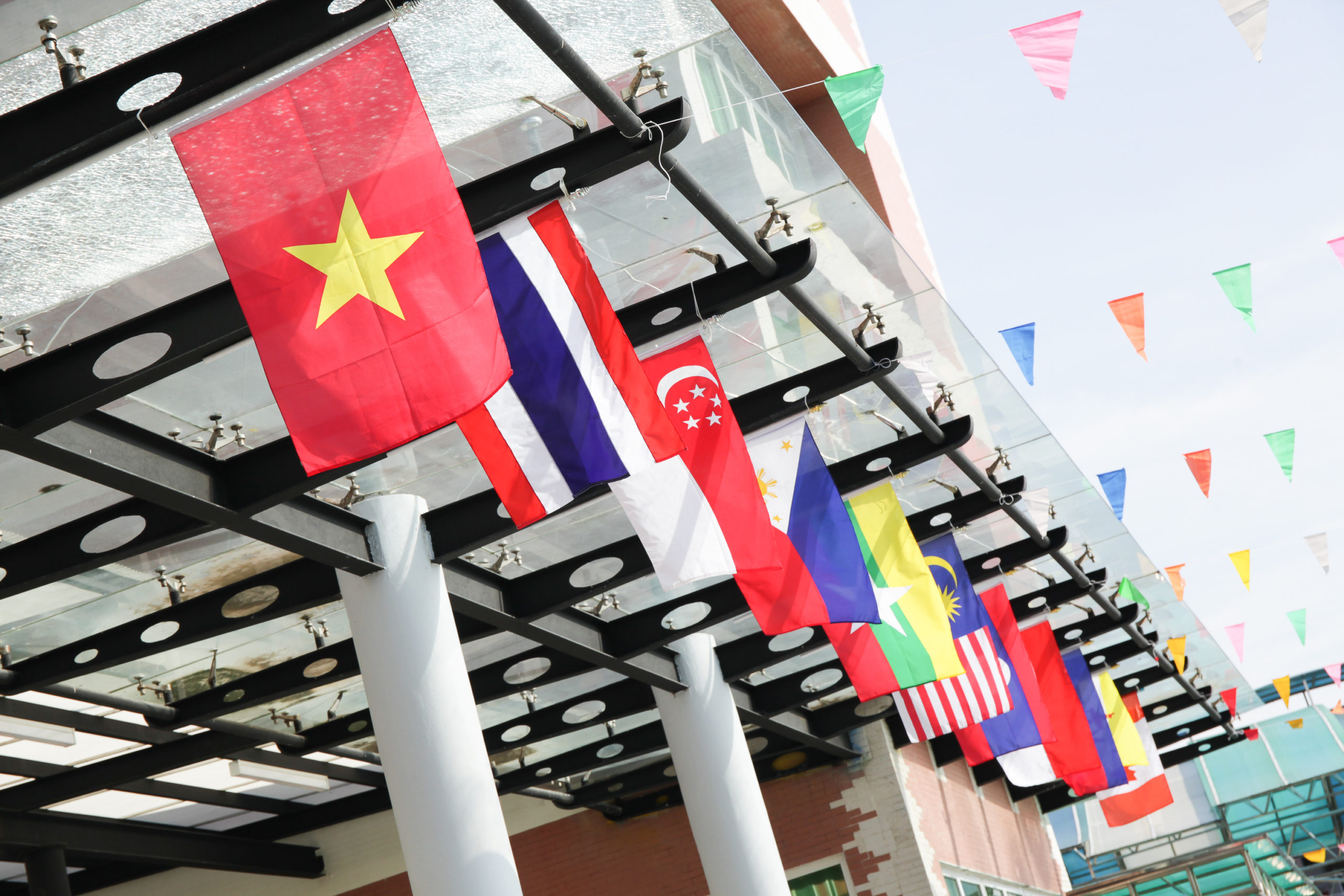
Domestic Politics in Southeast Asia and Local Backlash against the Belt and Road Initiative
The Belt and Road Initiative (BRI) is Chinese General Secretary Xi Jinping’s signature foreign policy project to expand the People’s Republic of China’s investment and trade ties in order to create “a big family of harmonious coexistence.” Hailed as...
Read more »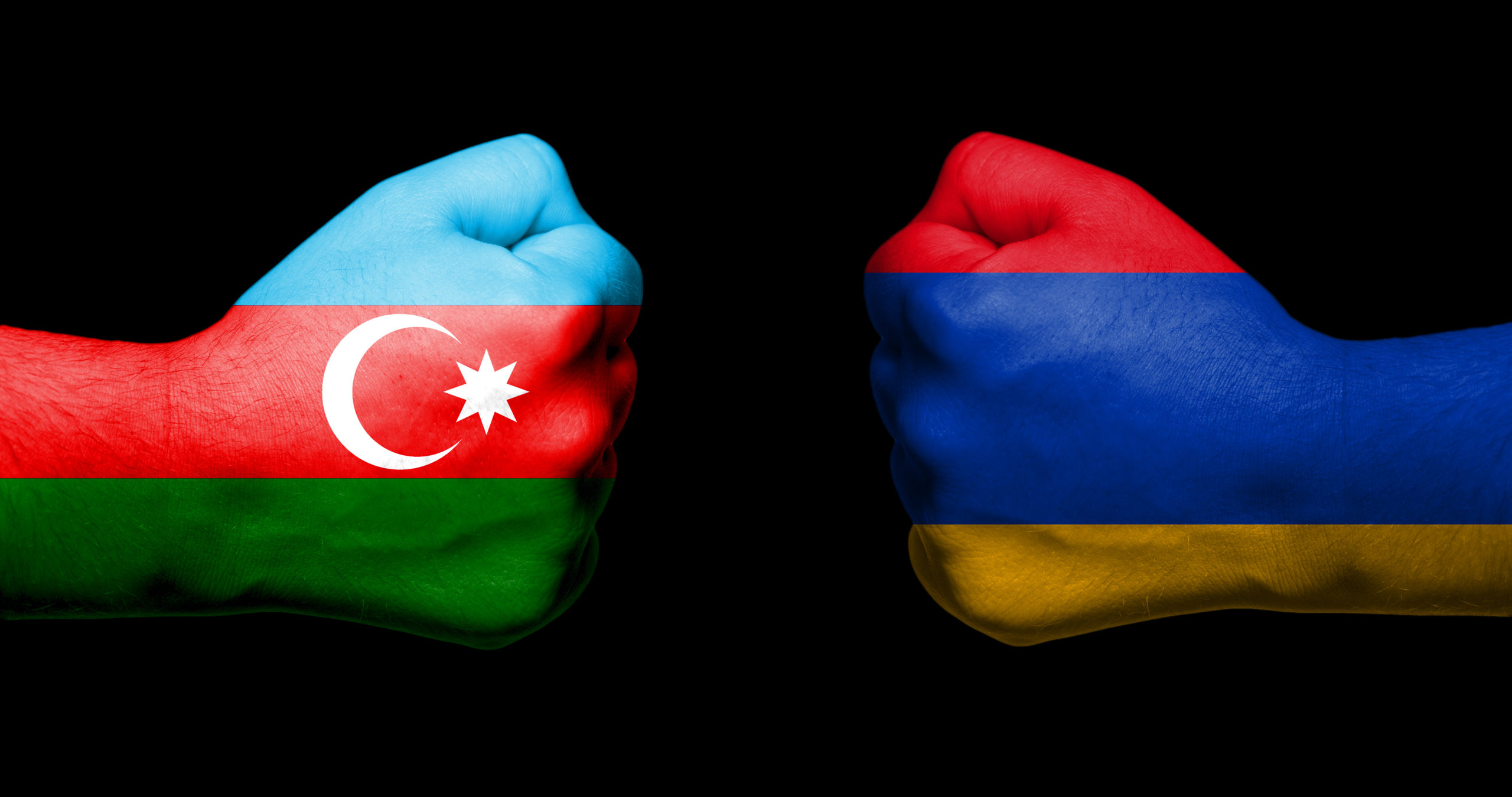
Event Report on the Geopolitical Implications of the War in Nagorno-Karabakh
The following is a report summarizing an event on the conflict in Nagorno-Karabakh between Armenia and Azerbaijan, featuring: Aaron Stein, Director of Research at the Foreign Policy Research Institute; Maia Otarashvili, Deputy Director of the Eurasia Program at the...
Read more »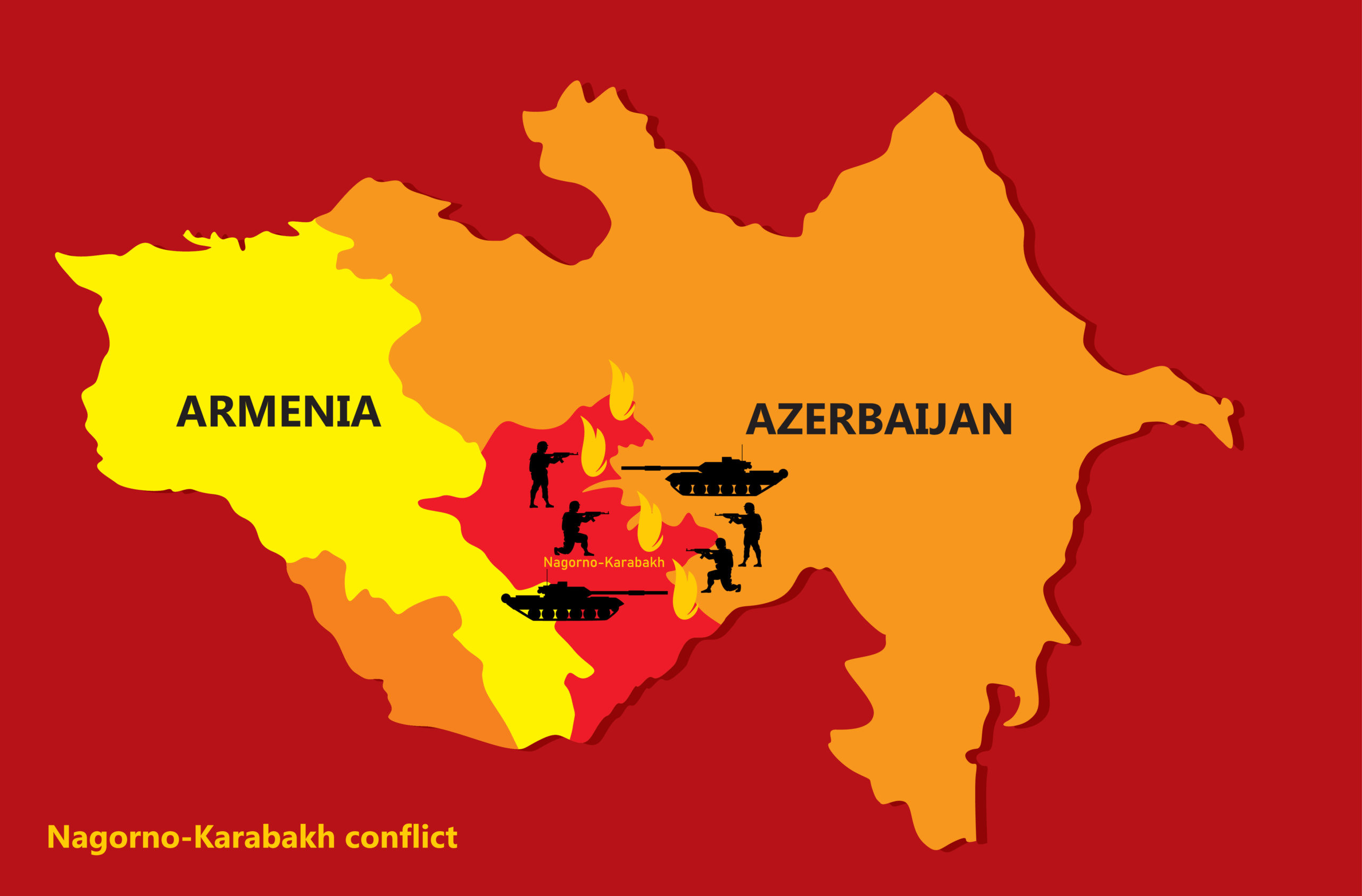
Event Report on the Conflict in Nagorno-Karabakh
The past two weeks have seen an explosion of tense fighting and conflict in the Nagorno-Karabakh region of Azerbaijan. The region has been populated by ethnic Armenians for years, and since the fall of the Soviet Union, it has...
Read more »
Estonia’s Digital Solutions to COVID-19
According to Johns Hopkins University, Estonia’s novel coronavirus numbers have generally stayed similar to those of its neighbors in the European Union. With an infection number so far at just above 2,000 it is slightly above the rates of...
Read more »
Fake News, Real Censorship: A New Bill Threatens Freedom of Speech in Kyrgyzstan
Wearing face masks stamped with a bright red X, demonstrators marched down Bishkek’s Freedom Boulevard on June 29 in protest of a bill regulating disinformation in Kyrgyzstan. The legislation, widely viewed as an attempt to curb freedom of speech,...
Read more »
Populism in American Elections: Bernie Sanders and Donald Trump
When a political movement becomes interwoven into an individual’s self-identity, said individual is unable to criticize that political movement without implicitly criticizing themselves. Conversely, to maintain the belief that individuals and the political movement that they are ingrained within...
Read more »
Great Power Competition and the Scramble for Africa
From November 1884 to February 1885, German Chancellor Otto von Bismarck convened 13 European powers and the United States to coordinate “commercial activity” in Africa and emerged with the General Act. Never explicitly stating colonialism, but connotating colonial principles,...
Read more »
Russia’s Political Influence in Bulgaria
Speaking on July 11, 2019, at an international conference in Batumi, Georgia, European Council President Donald Tusk declared, “The collapse of the Soviet Union was a blessing . . . to the whole of Central and Eastern Europe.” Bulgaria,...
Read more »
Israel, Lebanon, and Failed Natural Gas Negotiations
Over the past decade, there has been a gas revolution in the Eastern Mediterranean, where discoveries of large offshore gas deposits have set up some of the littoral states—notably Israel, Egyp,t and perhaps Cyprus—as potential significant players in the...
Read more »