 A Nation Must Think Before it Acts
Central Asia
A Nation Must Think Before it Acts
Central Asia

A nation must think before it acts.

Central Asia
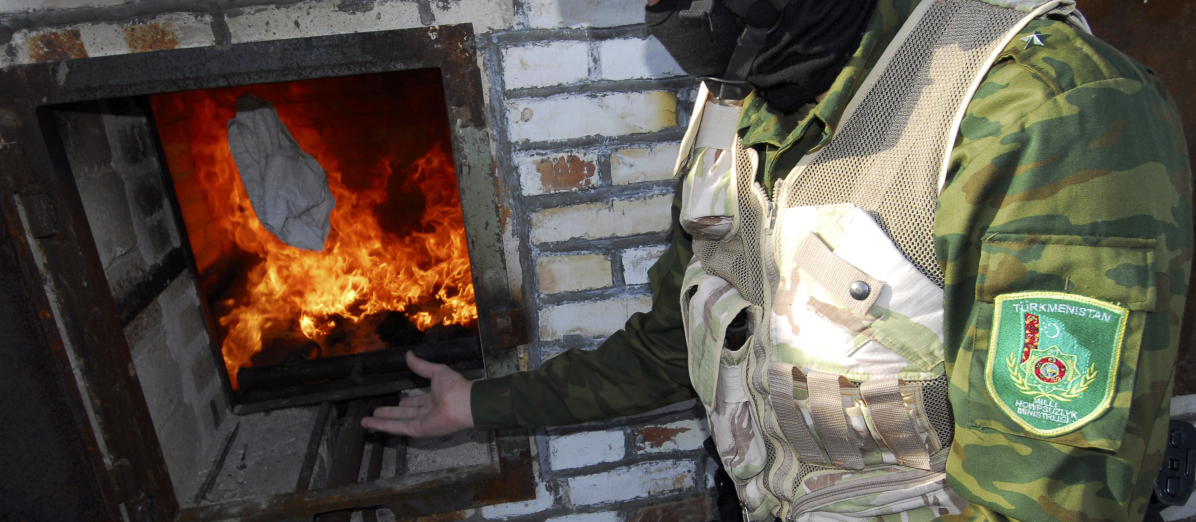
Central Asia Has a Drug Problem, and It Is Growing Worse
Not long after late 1991, when the Soviet Union collapsed and Kazakhstan, Kyrgyzstan, Tajikistan, Turkmenistan, and Uzbekistan became independent, illegal narcotics trafficking started through the region, mainly coming from drug-producing countries in South Asia, particularly Afghanistan, and being smuggled...
Read more »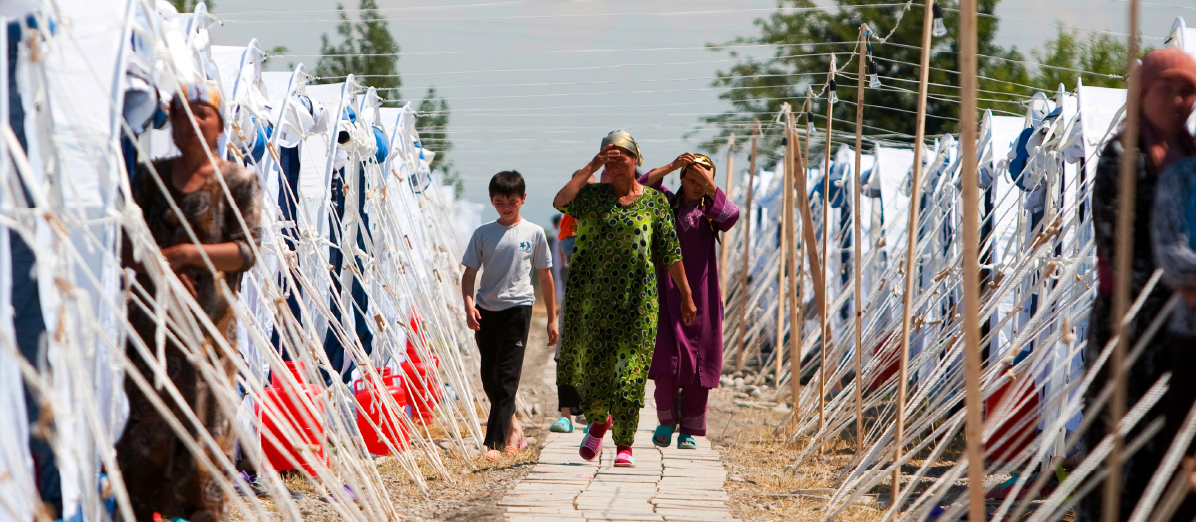
Central Asian Presidents Meet, Seeking to Defuse Decades of Tensions in the Ferghana Valley
Introduction The Ferghana Valley has been the most restive area in Central Asia since the five Central Asian states became independent after the collapse of the Soviet Union in late 1991. Kyrgyzstan, Tajikistan, and Uzbekistan each have sections of...
Read more »
Central Asian Migrants Face Harsh Treatment at Moscow’s Sakharovo Detention Center
The lives of Central Asian migrant laborers in Russia have become much worse since the terrorist attack on Moscow’s Crocus City Hall on March 22, 2024, that left more than 140 people dead. Prior to that attack, these migrant...
Read more »
The Impact of Russia Sanctions on Central Asia
Since Vladimir Putin launched his full-scale invasion of Ukraine and invited the largest international sanctions regime against Russia since the Second World War, Central Asia and the Caucasus have been forced into an uncomfortable position at the front of...
Read more »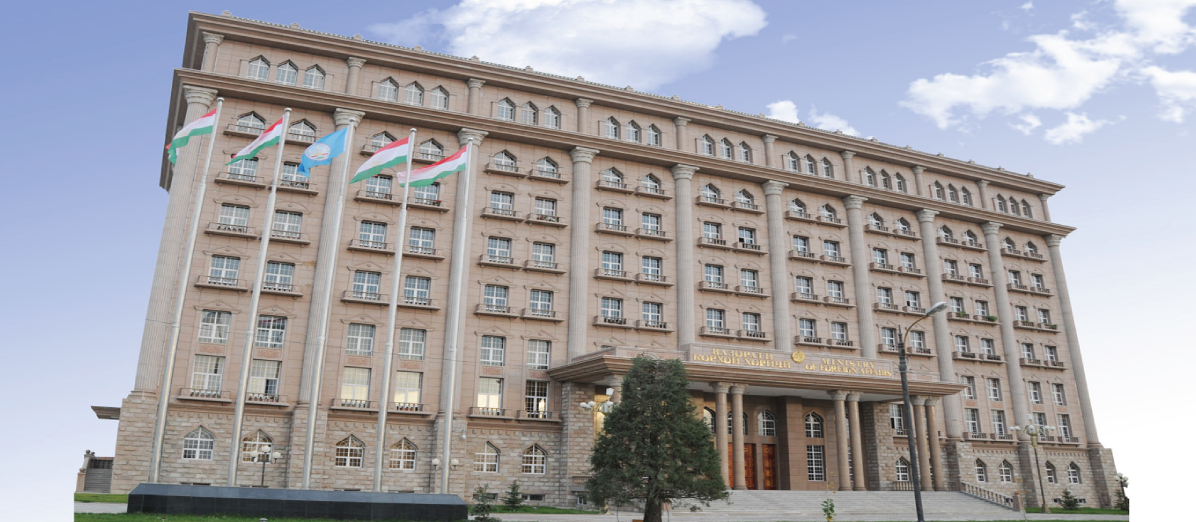
Tajikistan’s Afghan Conundrum
Tajikistan’s policies toward neighboring Taliban-ruled Afghanistan are reaching a pivotal moment. Tajik President Emomali Rahmon and his government have always viewed the Taliban as a threat, and that position has not changed since the Taliban returned to power in...
Read more »
Countering a “Great Jihad” in Central Asia
Concerns about Islamic extremism are rising in Central Asia. None of the governments in Kazakhstan, Kyrgyzstan, Tajikistan, Turkmenistan, or Uzbekistan are commenting publicly about any specific threats. Still, there is a lot of activity aimed at controlling how...
Read more »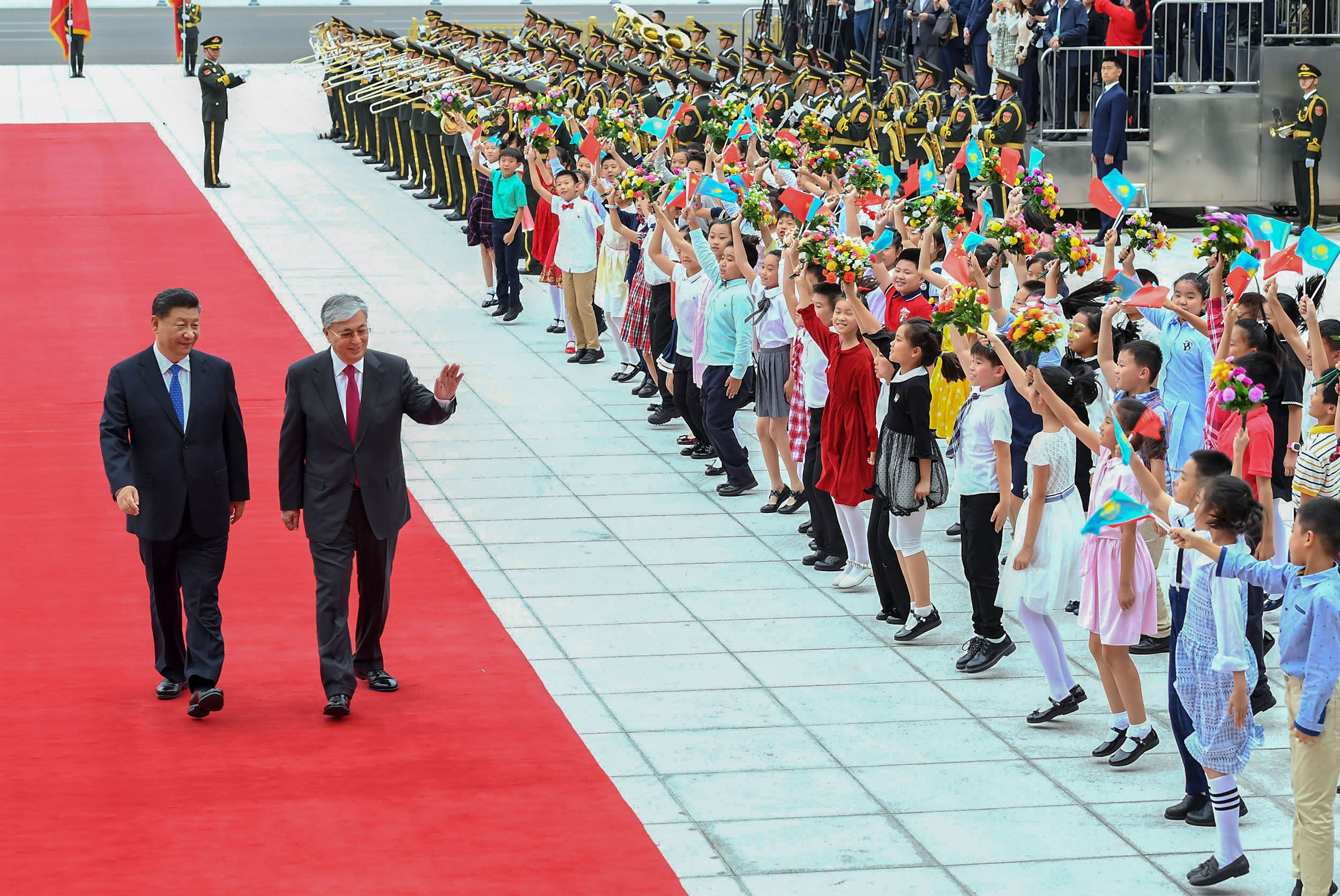
China, Russia, and Power Transition in Central Asia
“It was the rise of Athens and the fear that this inspired in Sparta that made war inevitable.” Thucydides, 5th Century BCE Since the days of Thucydides, scholars have written about—and policymakers have wrestled with—the dangers...
Read more »
Russia and China in Central Asia: Potential for Direct Competition
Executive Summary China is now undisputedly the leading economic partner for the Central Asia region, with trade and investment continuing to increase despite Beijing’s economic slowdown. Russia is still the dominant political partner for the region,...
Read more »
Kyrgyzstan: Central Asia’s Island of Democracy Sinks Into Authoritarianism
Listen to a conversation with the Author Executive Summary In the early 1990s, Kyrgyzstan was often referred to as an “island of democracy” in Central Asia. The “island’s” shores have receded over the years, but relative to its neighbors,...
Read more »
Russia and China in Central Asia
Introduction The two countries that have the greatest influence in Central Asia are Russia and China. Moscow and Beijing have common interests in Central Asia, foremost are security interests connected to sharing long borders with a mainly Muslim...
Read more »