 A Nation Must Think Before it Acts
Central Asia
A Nation Must Think Before it Acts
Central Asia

A nation must think before it acts.

Central Asia
Russia and China in Central Asia: Potential for Direct Competition
Executive Summary China is now undisputedly the leading economic partner for the Central Asia region, with trade and investment continuing to increase despite Beijing’s economic slowdown. Russia is still the dominant political partner for the region,...
Read more »
Kyrgyzstan: Central Asia’s Island of Democracy Sinks Into Authoritarianism
Listen to a conversation with the Author Executive Summary In the early 1990s, Kyrgyzstan was often referred to as an “island of democracy” in Central Asia. The “island’s” shores have receded over the years, but relative to its neighbors,...
Read more »
Russia and China in Central Asia
Introduction The two countries that have the greatest influence in Central Asia are Russia and China. Moscow and Beijing have common interests in Central Asia, foremost are security interests connected to sharing long borders with a mainly Muslim...
Read more »
Central Asia’s Middle Corridor Expansion: Opportunity for China and Iran
The sustained attacks on merchant shipping in the Red Sea by Yemen’s Iranian-backed Houthi rebels since November 2023 have given a fresh boost to a budding Central Asian trade network known as the “Middle Corridor” and, in so doing,...
Read more »
Why the West Should Stick with Conventional Arms Control in Europe for Now
On May 10, 2023, Russian President Vladimir Putin signed a decree that marked the end of an era. He formally initiated Russia’s withdrawal from the Treaty on Conventional Arms Forces in Europe (CFE Treaty or “Treaty”). The Treaty obliges...
Read more »
New Canal Threatens the Peace Between the Taliban and Central Asia
When the Taliban entered Kabul in mid-August 2021, the Central Asian governments, with the exception of the Tajik government, simply continued, to the extent possible, business as usual with Afghanistan. Uzbekistan temporarily closed its border crossings with Afghanistan, mainly...
Read more »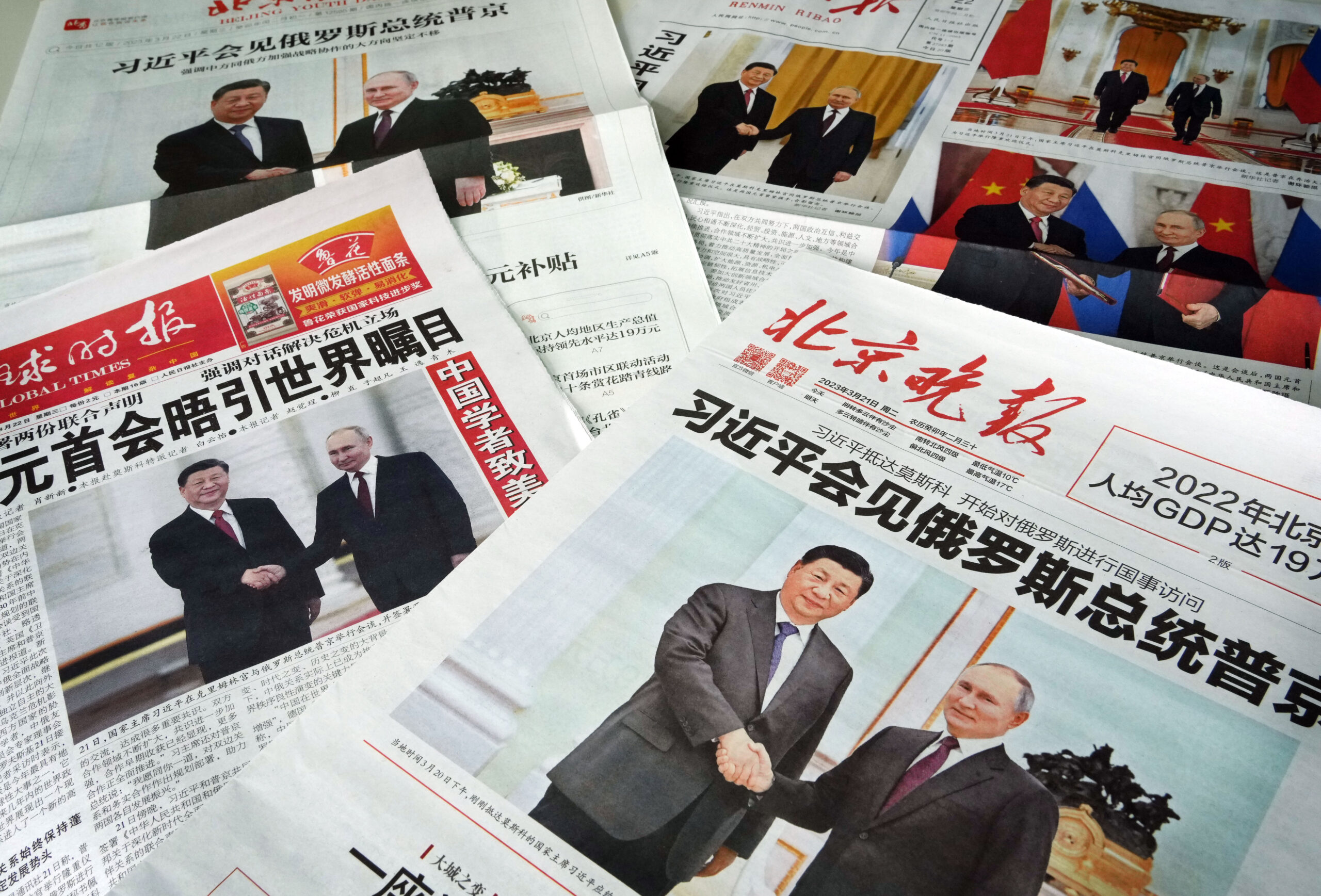
Stress-Testing Chinese-Russian Relations
The statements could not have been more different. As Chinese President Xi Jinping wrapped up his visit to Russia in March, the two governments released a joint statement that described their relations as having reached “their highest level in...
Read more »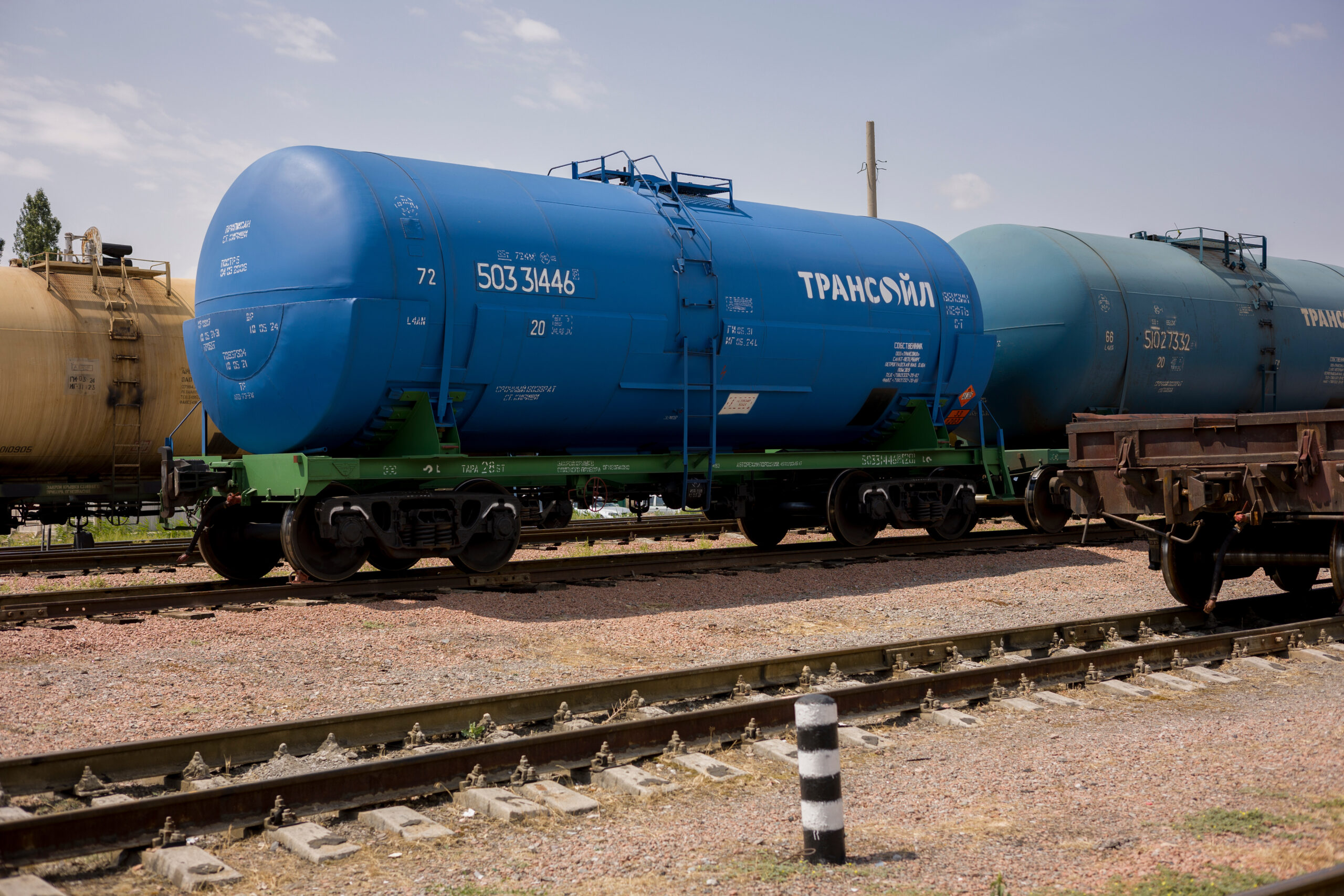
China Is Finally Making Progress on the China-Kyrgyzstan-Uzbekistan Railway
China has struggled to gain support from its Central Asian neighbors to build the China-Kyrgyzstan-Uzbekistan (CKU) railway since the 1990s. The CKU railway is crucial to China for two interconnected purposes—to advance its geopolitical interests and to secure favorable...
Read more »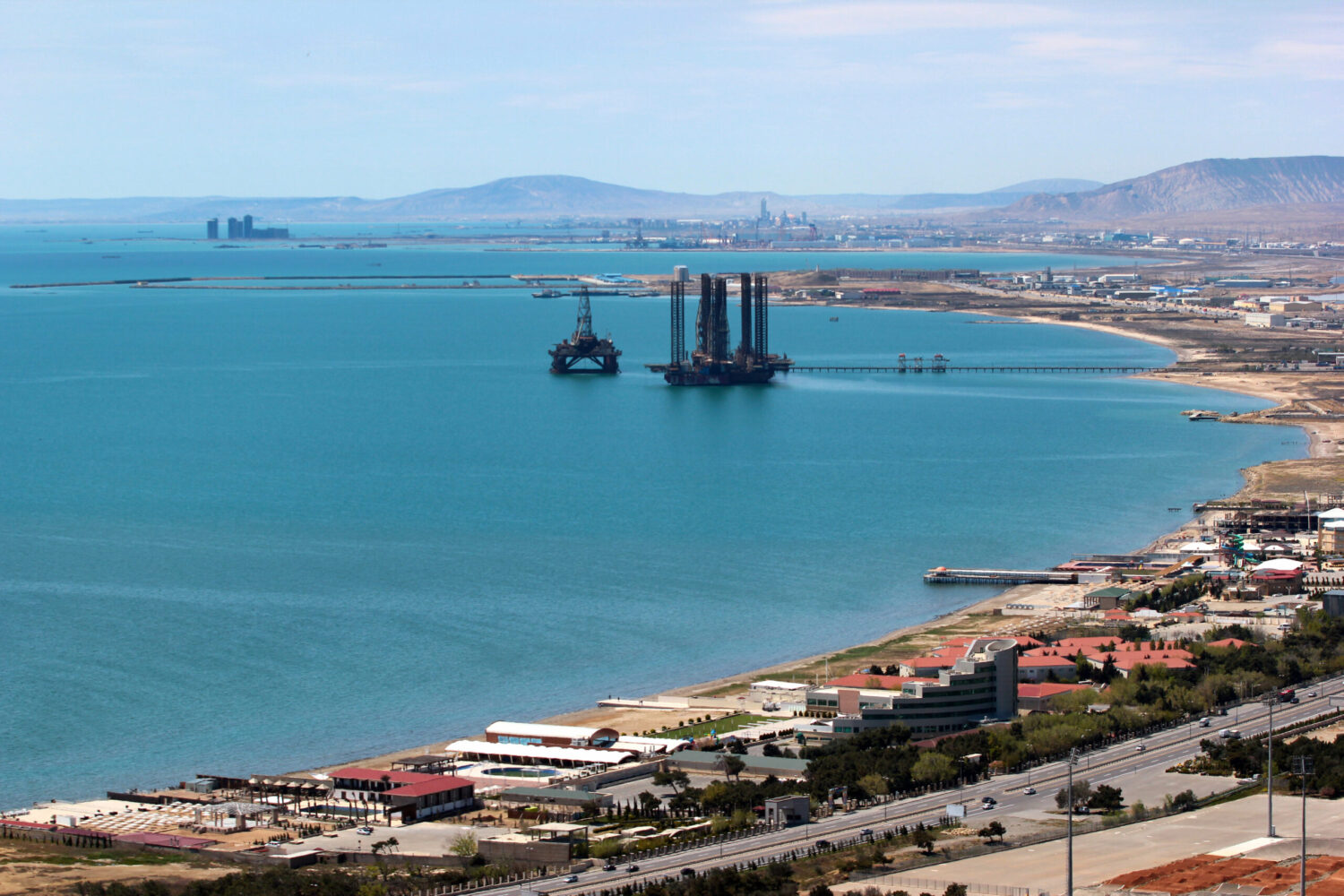
The Middle Corridor through Central Asia: Trade and Influence Ambitions
The “Middle Corridor”—a loosely defined trade route that spans the Central Asian steppe, the Caspian Sea, and the Caucasus mountains—has both engendered excitement and disappointment for almost two decades. Also known as the China-Central Asia-West Asia Corridor, it links...
Read more »
Russia Is Down, But Not Out, in Central Asia
Russian President Vladimir Putin has long seen Central Asia as Russia’s “most stable region.” He has regularly exerted influence and political pressure over its leaders. However, after decades of stability, the last year has seen Russia’s influence in Central...
Read more »