 A Nation Must Think Before it Acts
China & Taiwan
A Nation Must Think Before it Acts
China & Taiwan

A nation must think before it acts.
China & Taiwan
Doubling Down on Asia
With the Chinese government aggressively militarizing the South China Sea and U.S. President Donald Trump scuttling the Trans-Pacific Partnership, there appears no clear answer to Beijing’s “One Belt, One Road” initiative. In fact, U.S. foreign policy thinkers are casting...
Read more »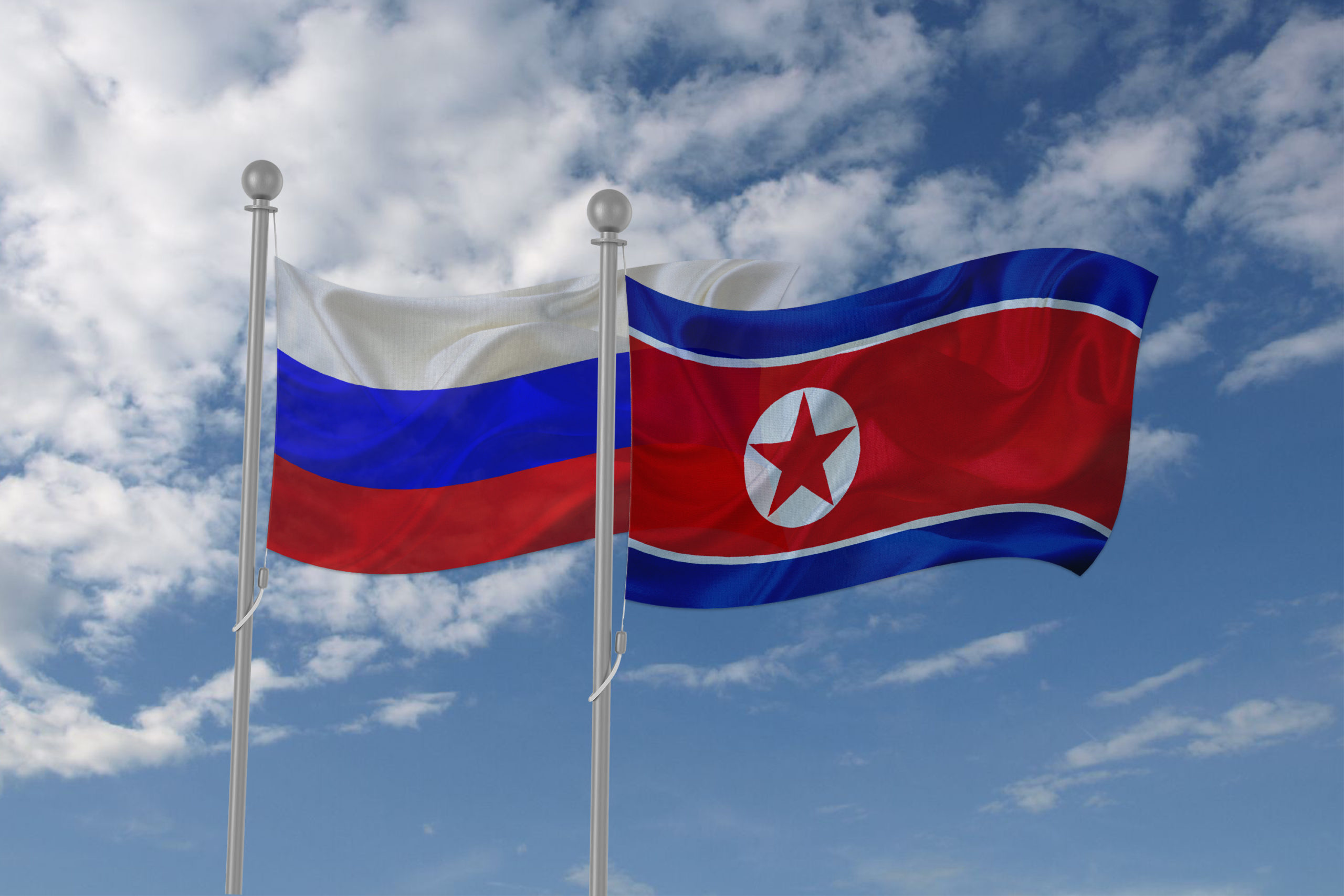
Nuclear Weapons And Russian-North Korean Relations
Since the late 19th century Russia has been a major stakeholder in Korean affairs, at times exercising critical influence on the peninsula. The unfolding crisis over Pyongyang’s nuclear and missile programs may significantly raise Russia’s profile on the peninsula....
Read more »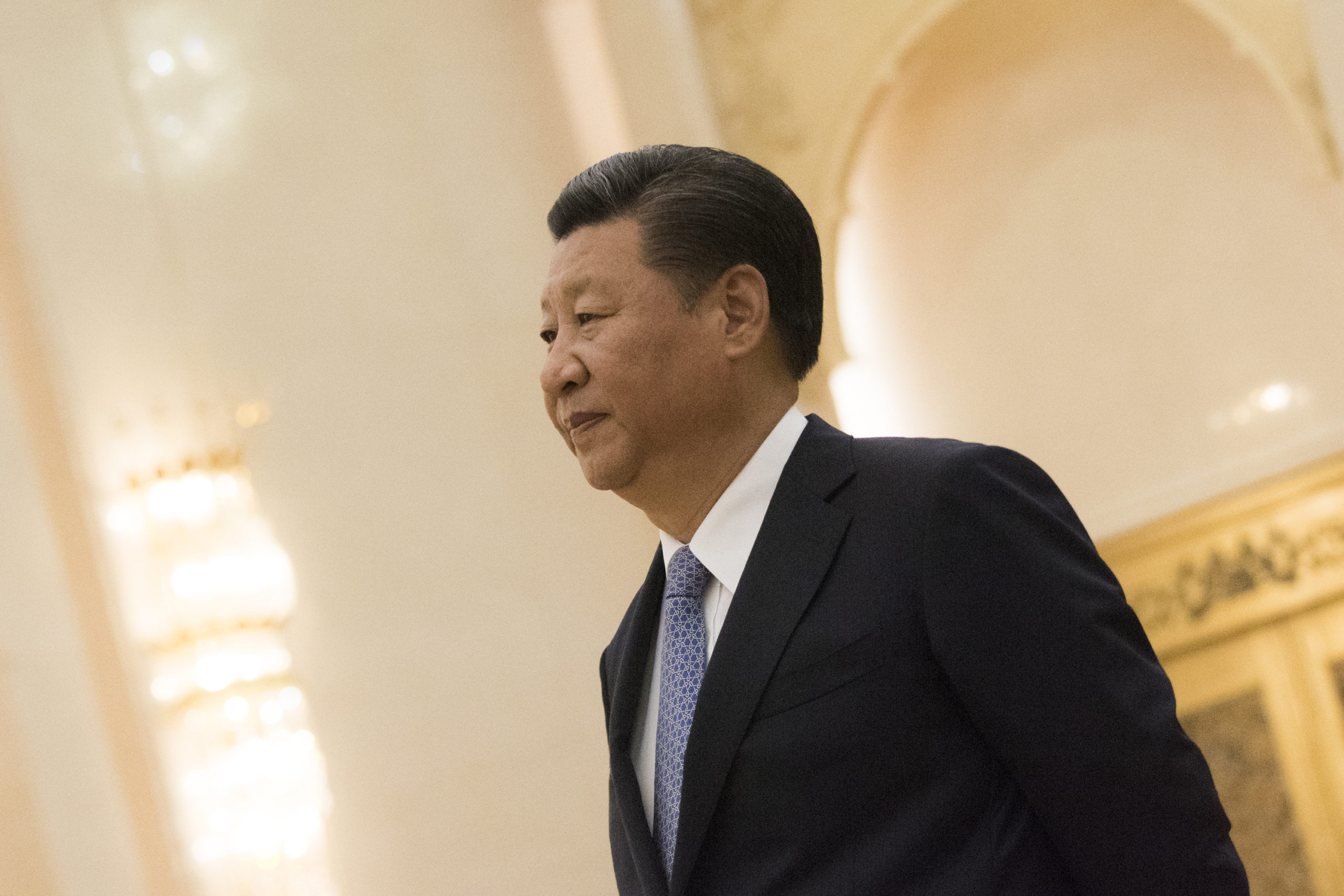
China’s 19th Party Congress: A Coronation, With Qualifications
As most of China returned to work after the long Golden Week holiday, heightened security measures were put into place in Beijing, the nation’s capital. All police leaves were cancelled, and thousands of additional security personnel were brought into...
Read more »
Parsing Xi Jinping’s Statements on Taiwan at the 19th Communist Party Congress
On Wednesday, October 18, President Xi Jinping of China opened the Chinese Communist Party’s (CCP) 19th Party Congress with 3+ hours-long speech. The title of his report was “Secure a decisive victory in building a moderately prosperous society in...
Read more »
Understanding the North Korean Threat with Lt. Gen. (Ret) In-Bum Chun: A Report
Since the Cold War, few crises have put so many Americans on edge as the escalating tensions between the U.S. and North Korea. While Secretary of State Rex Tillerson and President Donald Trump continue to send mixed signals of...
Read more »
Ukraine and Chinese Investment: Caution Amid Potential?
As Ukraine’s recent economic difficulties persist—the country registered a modest growth rate of 2.3% in 2016, and painful IMF-mandated reforms continue to progress slowly—optimistic commentators forecast an increase—and eventual surge—in Chinese investment in the country. Speculation has been driven...
Read more »
The National Security Council: An FPRI Primer
Article II, Section 2 of the U.S. Constitution identifies the President of the United States as the Commander in Chief of the Armed Forces, granting the President the power (with the advice and consent of the Senate) to negotiate...
Read more »
U.S.-China Relations: An Uncertain Balance
Professor deLisle began his presentation on what he referred to as one of the world’s most important bilateral relationships by discussing China’s growth over the last fifty years. While China is not yet on equal footing with the United...
Read more »
Cyber Insecurity
Mr. Lawrence Husick began his talk on the admittedly complicated issue of cyber insecurity with a primer on the technological basics of cyber threats. Cyber threats can be executed with a variety of tools including, but not limited to,...
Read more »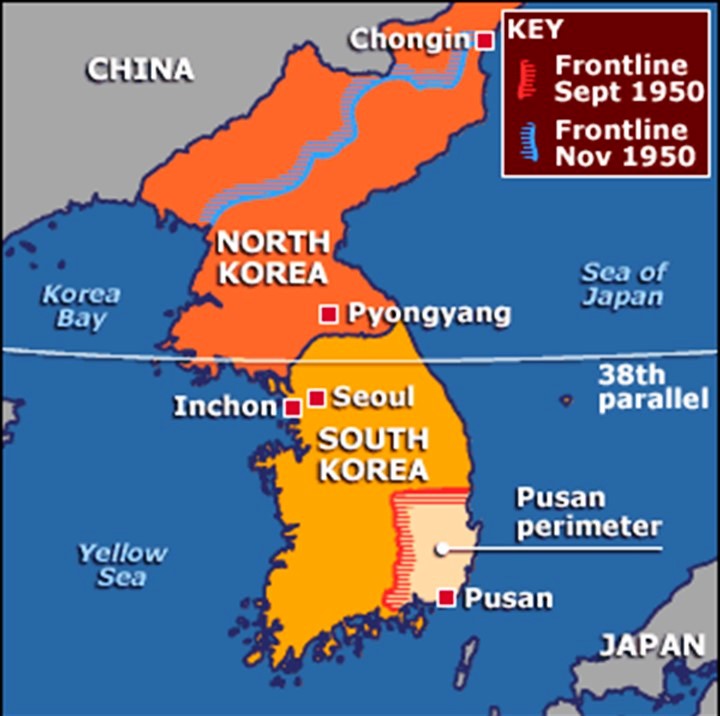
Why the Korean War Erupted
Although the purpose of this conference was to understand why America goes to war, it is more important in the case of the Korean War, Waldron argued, to understand why Korea and China entered the war. The Communist Party...
Read more »