 A Nation Must Think Before it Acts
National Security
A Nation Must Think Before it Acts
National Security

A nation must think before it acts.

National Security
Teaching Military History—Why and How: A History Institute for Teachers
FPRI Senior Fellow Jeremy Black of the University of Exeter addressed the frequent criticism that teaching military history somehow encourages bellicosity. In fact, just war properly conceived is an appropriate recourse in international law; it has played a major role in...
Read more »War and the East
Teaching East Asian, South Asian or Middle Eastern military history permits students to explore the rich potential areas of study that encompass half the globe and trace back five thousand years. Moreover, since Asian states have historically been far...
Read more »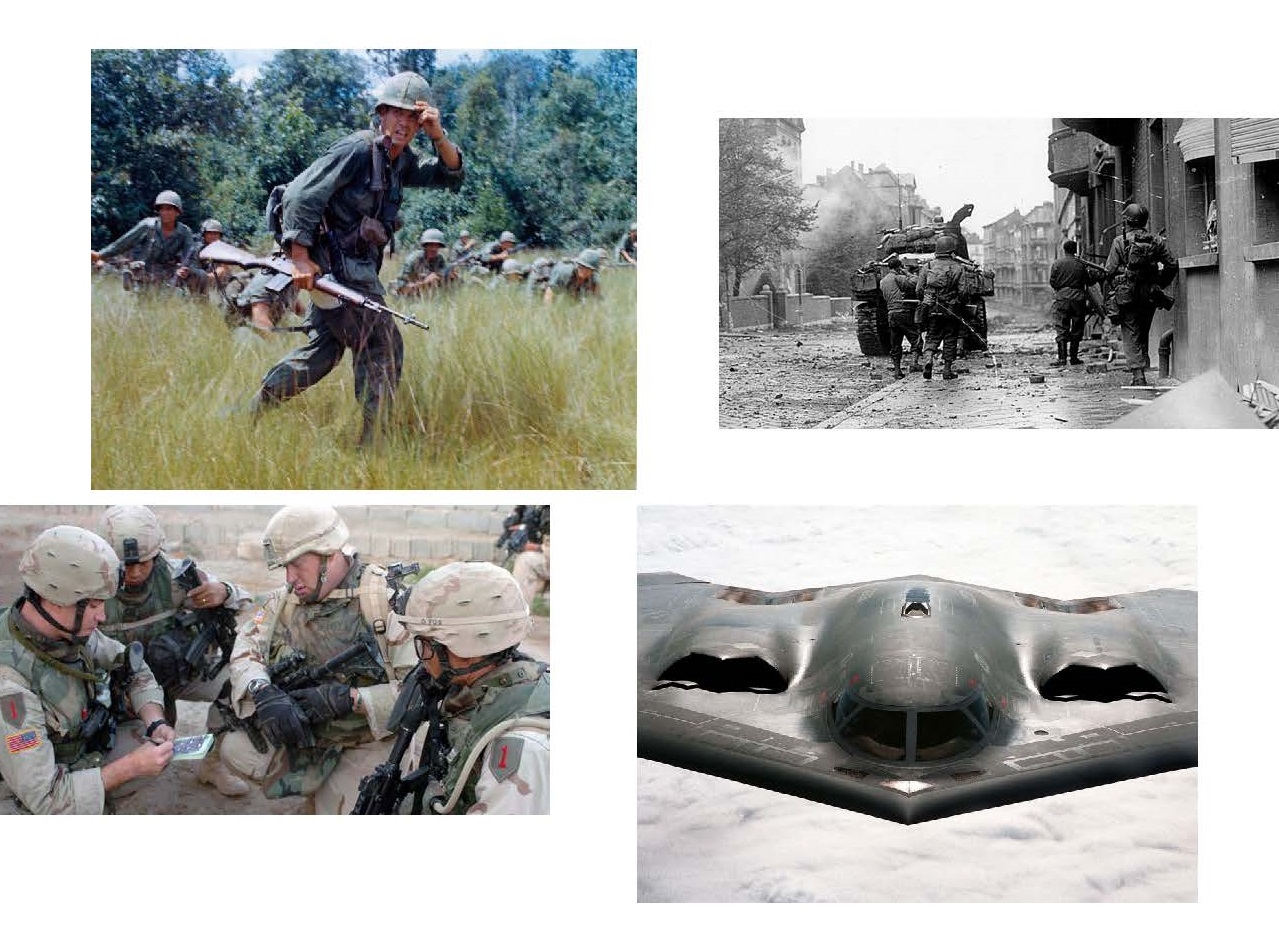
Why Teach Military History?
The usual criticism against the teaching of military history is that it in some way encourages bellicosity, that it is somehow morally questionable and actually undesirable in the academy at any level. However, war, though undesirable in many of...
Read more »Iraq and the “Metrics” System
The past few weeks have introduced a whirlwind of reporting on the current situation in Iraq. In particular, the reports of the Independent Commission on the Security Forces in Iraq, the U.S. General Accountability Office’s report, and the September...
Read more »Can Another “Iraq” Be Prevented?
Will America soon find itself in a counterinsurgency fight in another “Iraq”? There are responsible people who believe that, notwithstanding the U.S. experience since 2003, the American body politic still retains an appetite for colossal boots-on-the-ground efforts like Iraq....
Read more »The Social Dimensions of the U.S. Civil War
In 1989 an article appeared in the Journal of American History that asked rhetorically, “Have Social Historians Lost the Civil War?” It observed that when historians analyzed social developments within the United States, they tended to focus on pre-Civil...
Read more »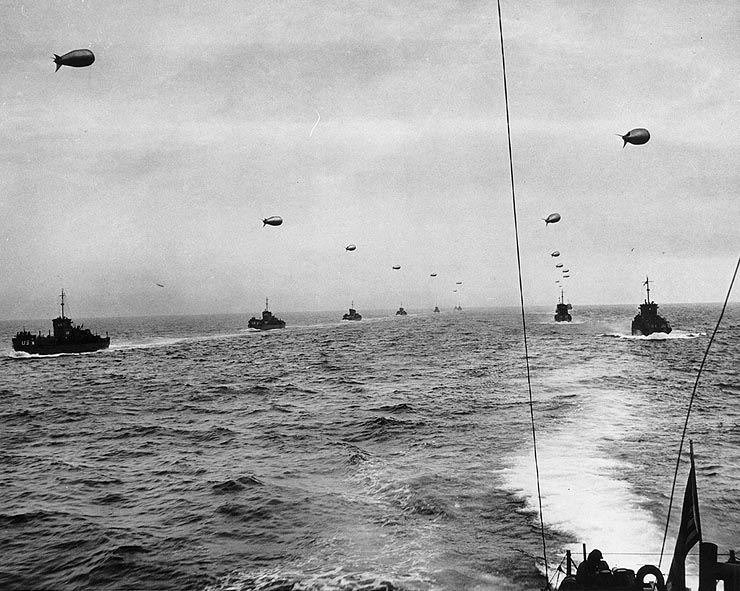
World War II and Its Meaning for Americans
When America went to an all-volunteer force in the 1970s, many predicted that a gap in outlook would arise between the military and civilian worlds. To counter the growing gap that has indeed arisen, military history and subjects like...
Read more »Teaching About the Military in American History: A History Institute for Teachers
Paul Herbert, Ph.D., Colonel, US Army (Ret.), Executive Director of the Cantigny First Division Foundation, welcomed participants to Cantigny. The Museum grounds were provided by the estate of Robert McCormick, editor-owner of the Chicago Tribune from 1911-55, a WWI...
Read more »Teaching About the Military: Some Basics
I take the inspiration for this talk from the distinguished military historian Maurice Matloff, who wrote that military history is a combination of general history and military art and science, and that it lies at the intersection of diplomatic,...
Read more »Understanding the Creation of the U.S. Armed Forces
The creation of the United States’ military forces was a prolonged, complicated process that unfolded in three distinct periods, beginning with the Revolution but continuing through the Confederation and early Constitutional eras. The American Revolution The armed forces date...
Read more »