 A Nation Must Think Before it Acts
Commentary
A Nation Must Think Before it Acts
Commentary

A nation must think before it acts.

Commentary
The New Threat: Transnational Crime
Two major shifts affecting the security of the United States in the past three decades—the collapse of the Soviet Union and the rise of transnational terrorism—went virtually unrecognized and unanticipated by U.S. policymakers, although in retrospect the signs were...
Read more »Turmoil in the Arabian Peninsula
The Arabian Peninsula—that is, the six Gulf Cooperation Council (GCC) states plus Yemen—has been for the most part touched only superficially by the wave of political instability and popular unrest that has affected much of the Arab world. The...
Read more »Is U.S. Foreign Policy Made in the USA?
In a New York Times op-ed, President Barack Obama, along with British Prime Minister David Cameron and French President Sarkozy explained their policy on Libya in the following words: “Our duty and our mandate under UN Security Council Resolution...
Read more »The Value of the Visegrad Four
Relations between the United States and Central Europe have stabilized after a period punctuated by tensions over Iraq, fears of a resurgent Russia and uncertainty about U.S. policy toward the region. Critical to this outcome was sustained outreach by...
Read more »Saudi Arabia’s Intervention in Bahrain: A Necessary Evil or a Strategic Blunder?
On March 14, the government in Manama imposed martial law over the tiny island state of Bahrain. Shortly thereafter, Saudi Arabia and the United Arab Emirates moved security forces into Bahrain under the auspices of a Peninsula Shield Force...
Read more »Moroccan Democracy and the Future of the Sahara
Over the past three months, Arab heads of state have responded to mass protests in their respective countries by either fleeing or fighting. Egypt’s Mubarak and Tunisia’s Bin Ali decided that their positions were untenable and promptly surrendered their...
Read more »Canada at the Cusp
In February, Prime Minister Stephen Harper and his Tory Party celebrated having governed Canada as a minority for five years. This date set a record for minority government duration—a somewhat dubious accomplishment, but far better than being in Opposition....
Read more »The New Liberalism in Global Politics: From Internationalism to Transnationalism
The final collapse of the Soviet Union in 1991 brought a definitive end to the Cold War. It also brought an end to an international system defined by two superpowers and the beginning of a new global system defined...
Read more »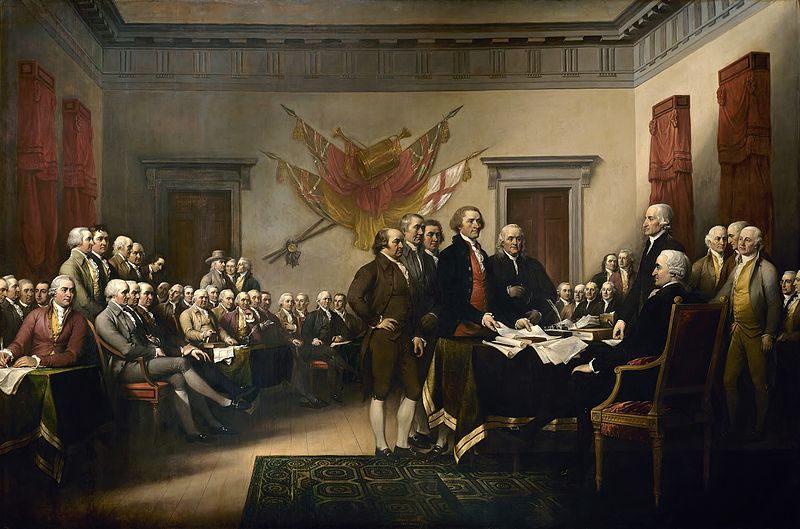
Philadelphia: How One City’s Maritime History Changed the World
“Today, we remember less about the significance of Philadelphia to the history of the nation than the record shows.”— Gary B. Nash, First City: Philadelphia and the Forging of Historical Memory (2002) Few cities can claim a more...
Read more »The Moroccan Exception
Amid the radical transformations in Tunisia and Egypt and rumblings of change in numerous other Arab countries, one populous Arab country stands out as relatively stable: Morocco. As America struggles to articulate a strategy for engaging Arab peoples in...
Read more »