

A nation must think before it acts.
E-Books
E-Books
 FPRI periodically publishes E-Books. These are web-based monographs and essay collections that draw on the FPRI research and conference programs. Please review the current selection by year below.
- To browse and purchase some of our most popular titled for your Kindle Reader, check our E-books on Amazon.com here.
 In honor of FPRI’s 60th anniversary, each of its research program’s produced an edited volume meant to provide the reader with a taste of the quality analysis we produced on a diverse array of topics over the previous decade. They can be accessed here.

Countering a “Great Jihad” in Central Asia
Concerns about Islamic extremism are rising in Central Asia. None of the governments in Kazakhstan, Kyrgyzstan, Tajikistan, Turkmenistan, or Uzbekistan are commenting publicly about any specific threats. Still, there is a lot of activity aimed at controlling how...
Read more »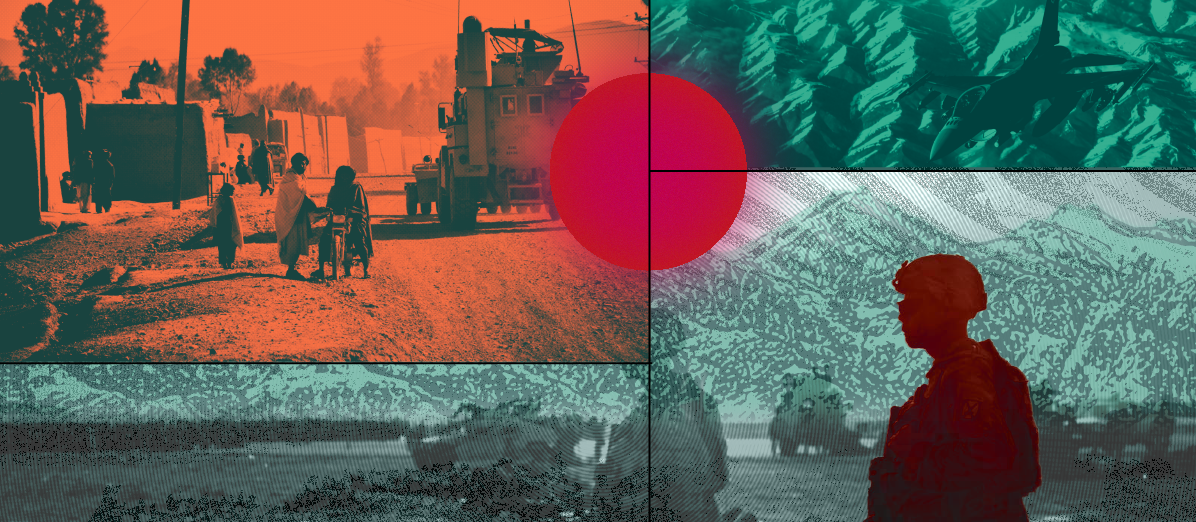
A Critical Analysis of the US Army’s Security Force Assistance Mission During the War on Terror
Key Findings The U.S. Army struggled to build capable host-nation security forces in Iraq and Afghanistan because it did not give those security force assistance (SFA) missions the priority and support they deserved. Both the selection and training...
Read more »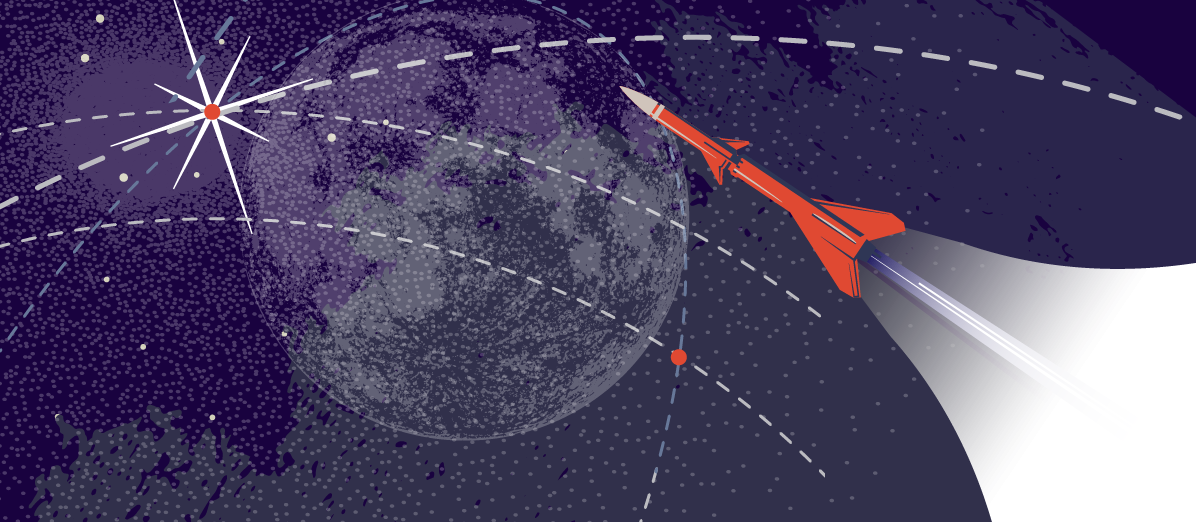
Russia’s Space Program After 2024
Introduction Since 2022, Russia’s space program has been in a state of turbulence and uncertainty. However, the deterioration started in 2014 when Russia annexed Crimea and began the first round of the war against Ukraine. Multiple factors have...
Read more »
How Sudan’s Wars of Succession Shape the Current Conflict
Sudan Today Since fighting broke out between the Sudanese Armed Forces (SAF) and the government-sponsored paramilitary Rapid Support Forces (RSF) in April of 2023, according to the International Rescue Committee at least 25 million people out of a total...
Read more »
Russian Strategic Culture and the War in Ukraine
Introduction The Russian invasion of Ukraine on February 24, 2022, shocked the world. Currently, the Russian-Ukrainian war is the biggest European war since the end of World War II. The full-scale invasion was a continuation of unlawful actions in...
Read more »
Turning Point or Dead End? Challenging the Kremlin’s Narrative of Stability in Wartime
Key Takeaways The Russian government expects 2024 to be a turning point in the country’s war against Ukraine. For this expectation to become reality, the Kremlin is using means of reflexive control: It projects an image of a...
Read more »
China, Russia, and Power Transition in Central Asia
“It was the rise of Athens and the fear that this inspired in Sparta that made war inevitable.” Thucydides, 5th Century BCE Since the days of Thucydides, scholars have written about—and policymakers have wrestled with—the dangers...
Read more »
Russia and China in Central Asia: Potential for Direct Competition
Executive Summary China is now undisputedly the leading economic partner for the Central Asia region, with trade and investment continuing to increase despite Beijing’s economic slowdown. Russia is still the dominant political partner for the region,...
Read more »
Kyrgyzstan: Central Asia’s Island of Democracy Sinks Into Authoritarianism
Listen to a conversation with the Author Executive Summary In the early 1990s, Kyrgyzstan was often referred to as an “island of democracy” in Central Asia. The “island’s” shores have receded over the years, but relative to its neighbors,...
Read more »
Russia and China in Central Asia
Introduction The two countries that have the greatest influence in Central Asia are Russia and China. Moscow and Beijing have common interests in Central Asia, foremost are security interests connected to sharing long borders with a mainly Muslim...
Read more »