 A Nation Must Think Before it Acts
FootNotes
A Nation Must Think Before it Acts
FootNotes

A nation must think before it acts.

FootNotes
Footnotes are essays designed in particular for teachers and students and are often drawn from the lectures at our nationally recognized Butcher History Institute for Teachers.
What Our Students – and Our Political Leaders – Don’t Know About the Middle East
My topic tonight is how we should teach our children, here in the United States, about the Middle East. I was asked to give this little talk in part because I wrote two pieces for FPRI in the wake...
Read more »What Students Can Learn from Steve Jobs
Today, Steve Jobs died. A month ago, when I wrote the note that follows, he had just resigned as President of Apple Inc., the company he founded to become its Chairman. The note was not intended as an elegy,...
Read more »Notes on Teaching 9/11
Dear Educators, In advance of the tenth anniversary of September 11, 2001, I thought I would share some notes with you about “Teaching 9/11,” based on my own presentations to high school students. But before I do, allow me...
Read more »Politics and Governance in the People’s Republic of China: From “A Revolution Is Not a Dinner Party” to “To Get Rich Is Glorious” to Creating a “Harmonious Society”
The Xinhuamen—the New China Gate—is the formal entrance to Zhongnanhai—the South and Central Seas that are part of the former imperial park and that have long housed the compound where China’s top elite live and work. Just inside the...
Read more »Gen. George C. Marshall and the Development of a Professional Military Ethic
I want to say, first of all, that you are the saints of your profession. Most of you are high school teachers. This is the most important period of education in the life of a young person—13 to 17,...
Read more »The Story of Indian Democracy
If you examine the panoply of former British colonies, the case of India is exceptional for its liberal and democratic institutions. The vast majority of British colonies either did not emerge as democratic states or quickly succumbed to the...
Read more »The Rise of China’s Economy
China’s remarkable economic boom, now in its fourth decade, has spawned numerous discussions of “China’s Rise.” Beijing’s self-congratulatory slogan “China’s peaceful rise” has advanced this theme. From a historical perspective, however, this terminology seems misplaced. Both the Ming...
Read more »Confucius in a Business Suit: Chinese Civilizational Norms in the Twenty-first Century
Chinese attitudes towards their traditional civilization have reflected the shifting political agendas of the twentieth and twenty-first centuries. In the early twentieth century, some intellectuals identified Confucianism as a major barrier to the creation of individuals who could participate...
Read more »Understanding Chinese Society
There is a curse attributed to an ancient Chinese philosopher which goes, “may you live in interesting times.” (I learned recently that this curse was likely made up by an unknown foreigner and not a Chinese after all.) Yet,...
Read more »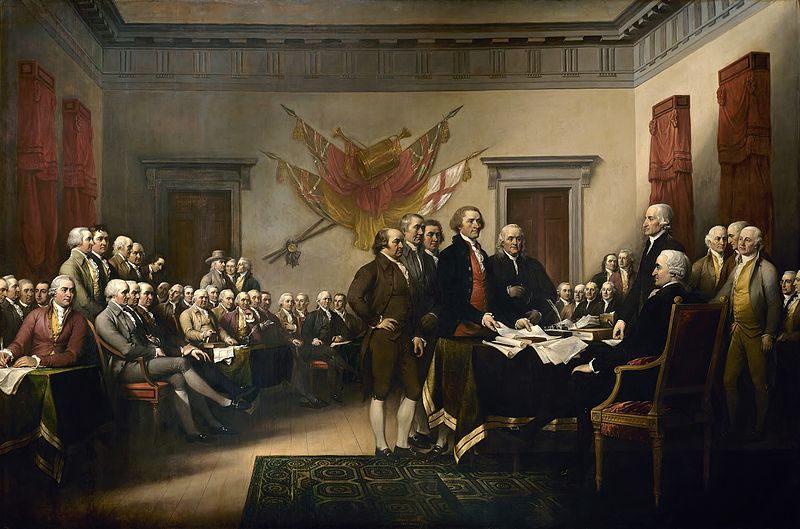
Philadelphia: How One City’s Maritime History Changed the World
“Today, we remember less about the significance of Philadelphia to the history of the nation than the record shows.”— Gary B. Nash, First City: Philadelphia and the Forging of Historical Memory (2002) Few cities can claim a more...
Read more »