 A Nation Must Think Before it Acts
Middle East
A Nation Must Think Before it Acts
Middle East

A nation must think before it acts.

Middle East

FPRI Targeted in Online Disinformation Campaign
In a twist of the old adage that all politics is local—even international politics—last week the Foreign Policy Research Institute (FPRI) may have been a victim of the escalating tensions between Iran and the United States. On New Year’s...
Read more »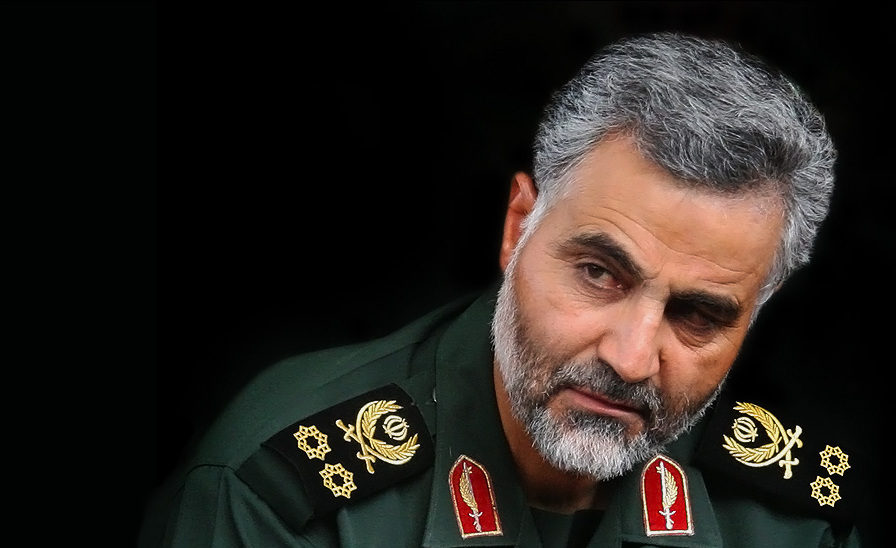
Snatching Strategic Defeat from the Jaws of Tactical Victory in the Middle East
The strategic implications from President Donald Trump’s tactical decision to kill General Qassem Soleimani, the leader of Iran’s Islamic Revolutionary Guard Corps (IRGC), will only become manifestly clear with the passage of time and the benefit of hindsight. Immediate...
Read more »
The NDAA: Congress and the Middle East
Last week, Congress reached consensus on the National Defense Authorization Act (NDAA), the $783 billion bill that funds the Department of Defense. To discuss the bill and how it may impact U.S. foreign policy in the Middle East, the...
Read more »
Transatlantic Trialogue: Turkey, the Syrian War, and the Future of the Transatlantic Alliance
Download Transatlantic Trialogue: Turkey, the Syrian War, and the Future of the Transatlantic Alliance Tensions over Syria have negatively impacted the transatlantic alliance. The United States and Turkey, two NATO allies, have long debated how best to prosecute the...
Read more »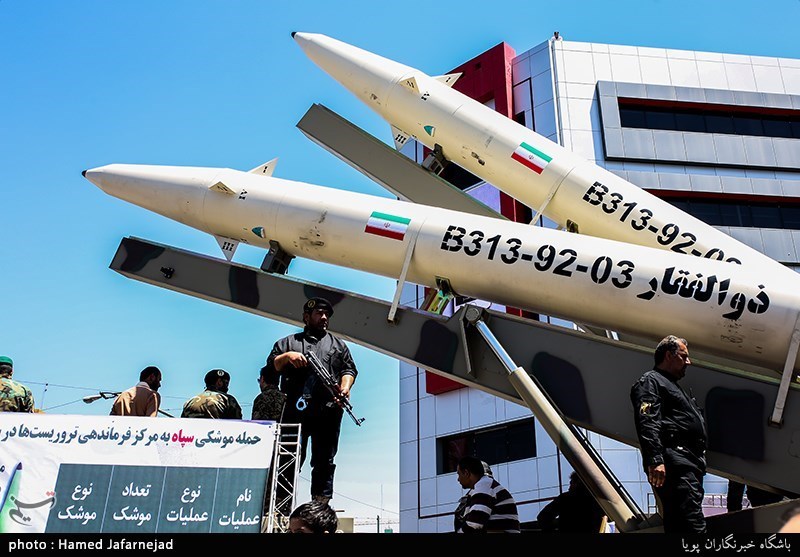
Iranian Missiles on Parade
On December 4, 2019, the New York Times reported that the Islamic Republic of Iran had exported ballistic missiles to its non-state clients in Iraq. The news is similar to Tehran’s activities in Yemen, where Iranian forces have sent...
Read more »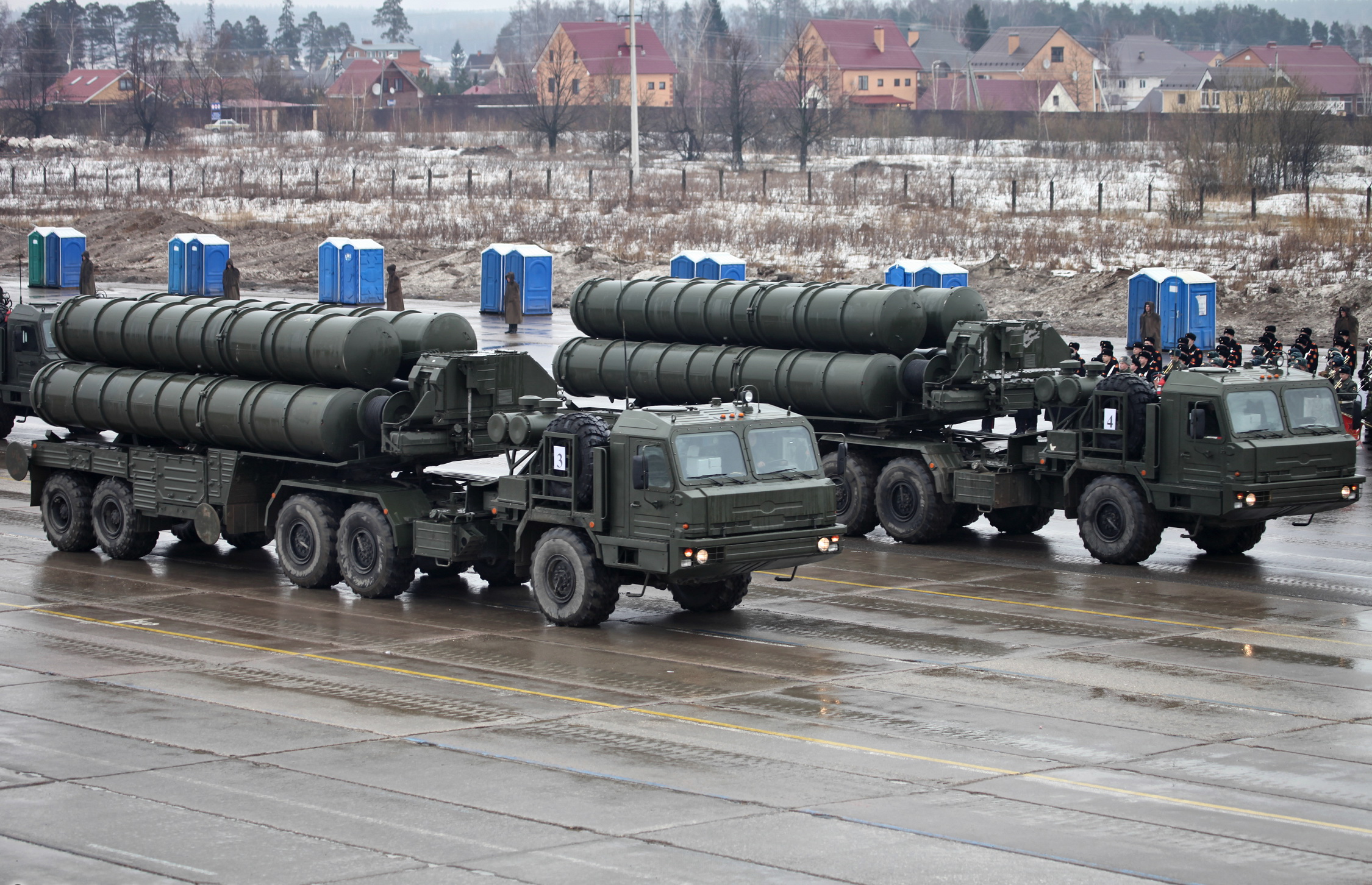
An American Failure: CAATSA and Deterring Russian Arms Sales
The views presented in this article are the author’s own and do not necessarily represent the views of any organization. The threat of sanctions action under Section 231 of the 2017 Countering America’s Adversaries Through Sanctions Act (CAATSA) is...
Read more »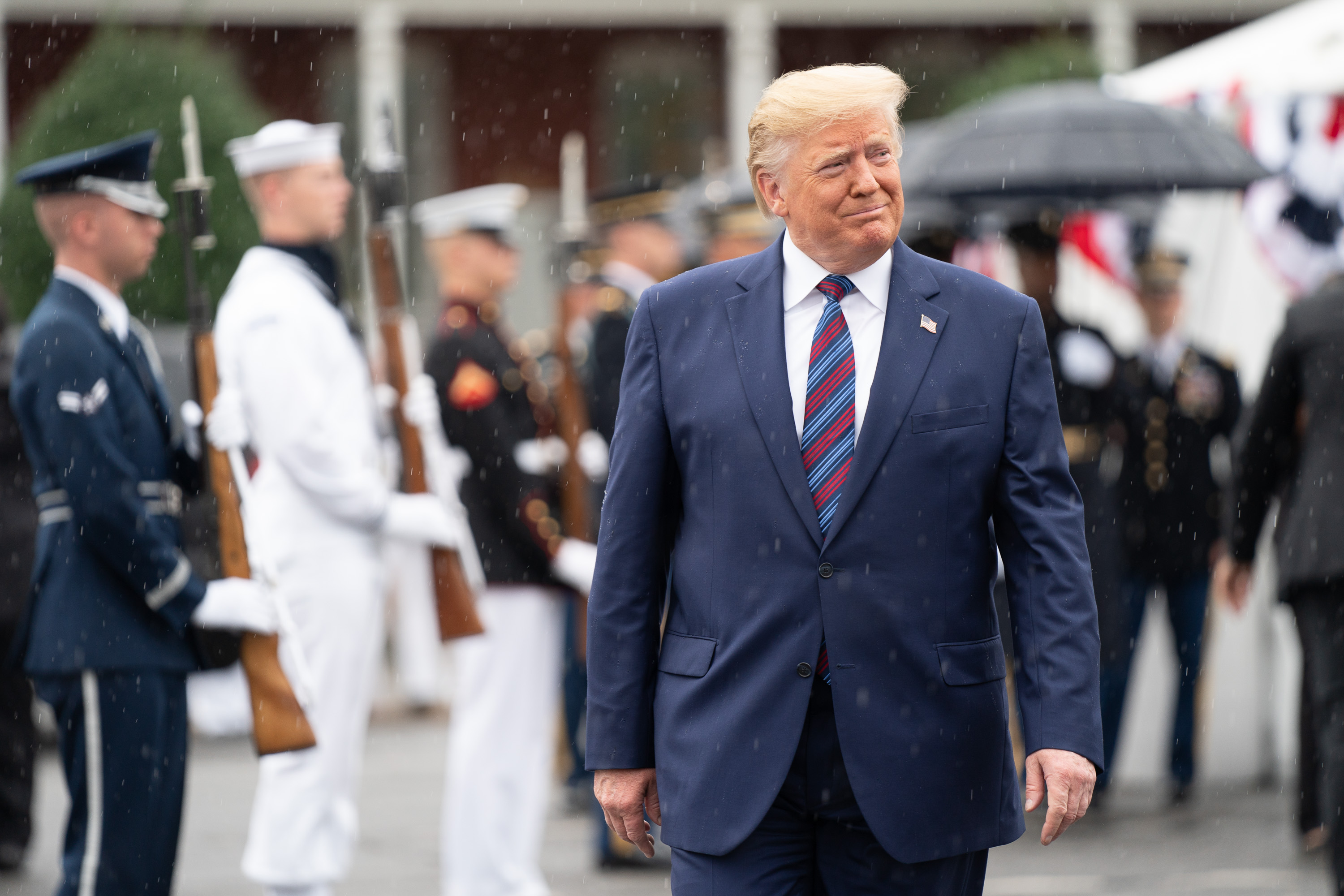
Shifting Poles in the Middle East: Implications for U.S. Regional Strategy
The Arab uprisings and subsequent civil wars sweeping the region beginning in late 2010 have fundamentally shifted the internal regional balance of power in ways that U.S. policy has yet to account for. Pro-Western autocrats in Egypt, Tunisia, and...
Read more »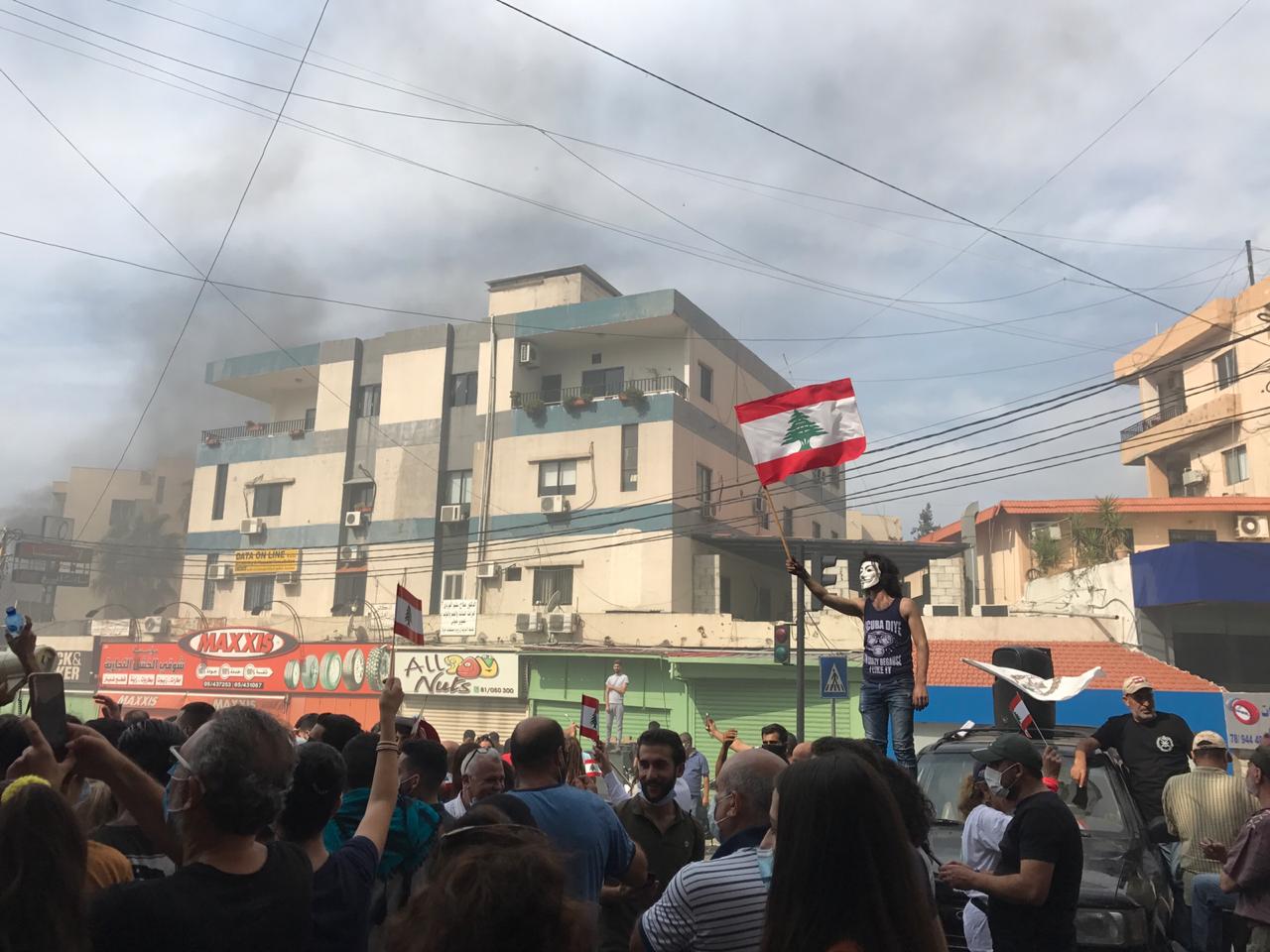
Resilient Lebanon? What Makes the Protests in Lebanon Different Than Before?
In 2011, protesters and insurgents brought down multiple decaying Arab regimes in what came to be known as the “Arab Spring.” Lebanon, as poorly governed as many other Arab countries, experienced nothing of the sort. This stability usually has...
Read more »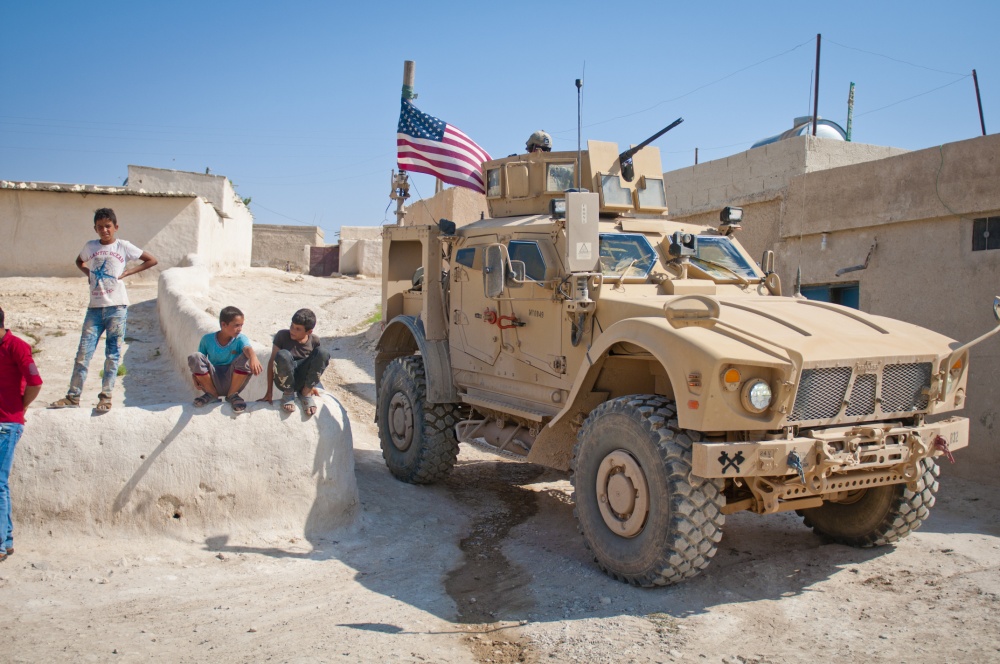
How the United States Can Escape the Middle East’s Proxy Wars
President Donald Trump’s withdrawal of troops from Syria has laid bare contending visions about U.S. engagement in the Middle East. Trump depicts the move as extricating the U.S. from the Middle East’s quagmire of “endless war.” Critics see it...
Read more »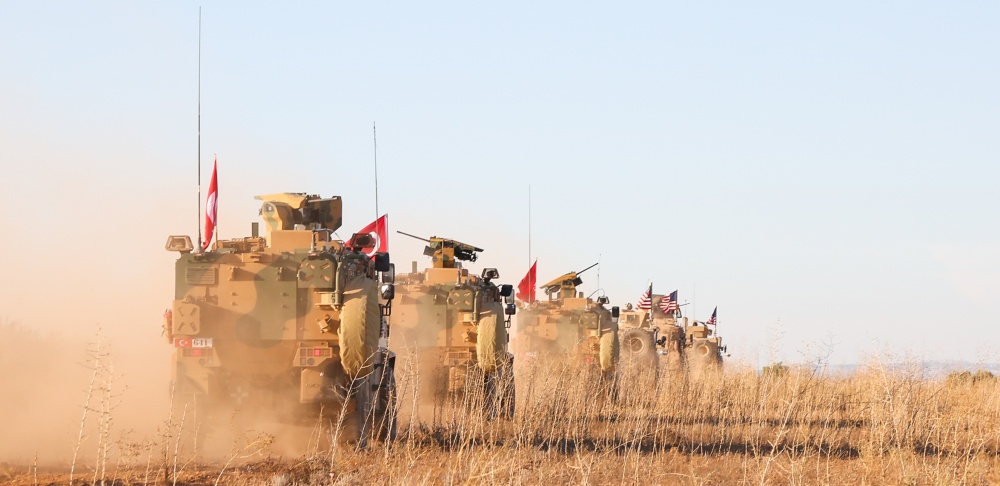
How Will the United States Respond to Turkey’s Invasion of Syria?
In the aftermath of Turkey's invasion of northern Syria on October 4, 2019, leaders from both U.S. political parties have suggested responding with economic and financial sanctions. The threat of economic and financial sanctions to deter, coerce, or punish...
Read more »