

A nation must think before it acts.
Publications
Russia and Central Asia: Putin’s Most Stable Region?

Central Asian-Russian relations have proven remarkably stable over Vladimir Putin's 20 years in power. This is the case even amid the rise of the People's Republic of China, the war in Afghanistan, Kyrgyzstan's revolutions, Kazakhstan's development, and power transitions...
Read more »The Role of the Military in Russian Politics and Foreign Policy Over the Past 20 Years
The Vladimir Putin regime has framed the Russian national idea in terms of security and militarization, both domestically and internationally. This unifying vision emerged as a reaction against the 1990s and blended together a cultivation of militant and anti-Western patriotism,...
Read more »Meet the New Boss, Same as the Old Boss: Putin ‘Changes’ the Constitution
Vladimir Putin's March 2020 amendments to the Russian Federation constitution address some of the risks posed by the lack of a formal mechanism for presidential succession by fostering the creation of a smaller ruling coalition with a commensurately keener...
Read more »Guest Editors’ Corner Summer 2020
Welcome to the special summer issue of Orbis, dedicated to examining the consequences of 20 years of Vladimir Putin's time in power as the Russian Federation's ruler. May 2020 marked the two-decade anniversary of Putin's ascension to power as the leader...
Read more »“Engaged Opportunism”: Russia’s Role in the Horn of Africa

After spending nearly three decades as a marginal player in the Horn of Africa, the Russian Federation has made significant progress towards recapturing its great power status in the region. Russia has engaged with all countries in the Horn...
Read more »Taiwan Finds an Unexpected New Friend in Somaliland
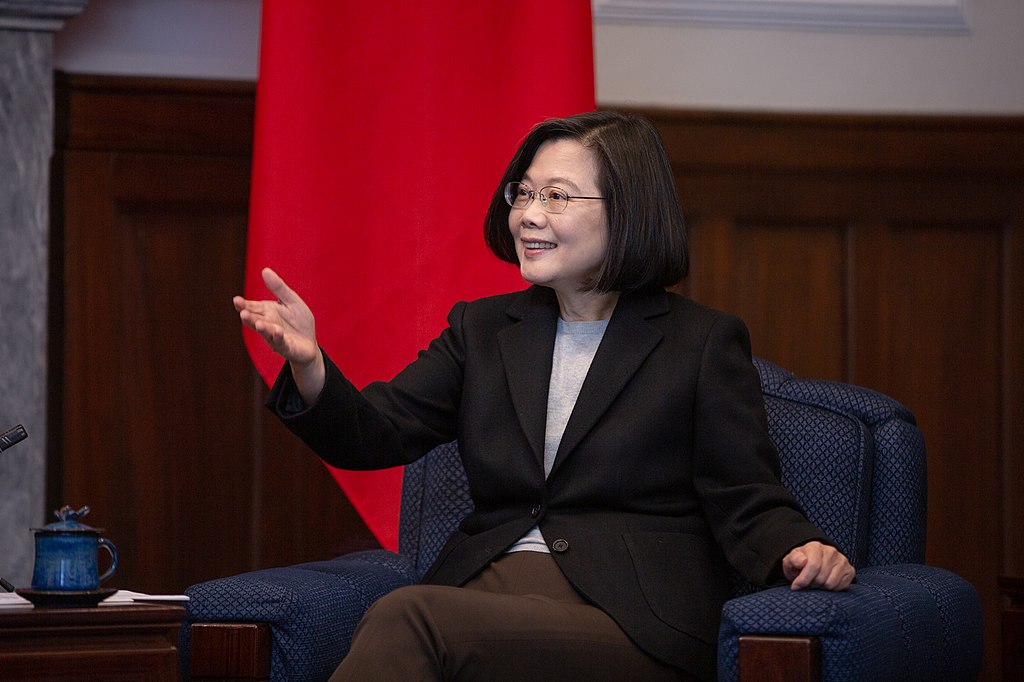
COVID-19 seemed to change the narrative around Taiwan: from a nation whose existence is often characterized as standing on the edge of a knife to one that capably and effectively handled the pandemic with fewer than 10 deaths. Before...
Read more »Finding Off Ramps to the Ongoing S-400 Crisis with Turkey
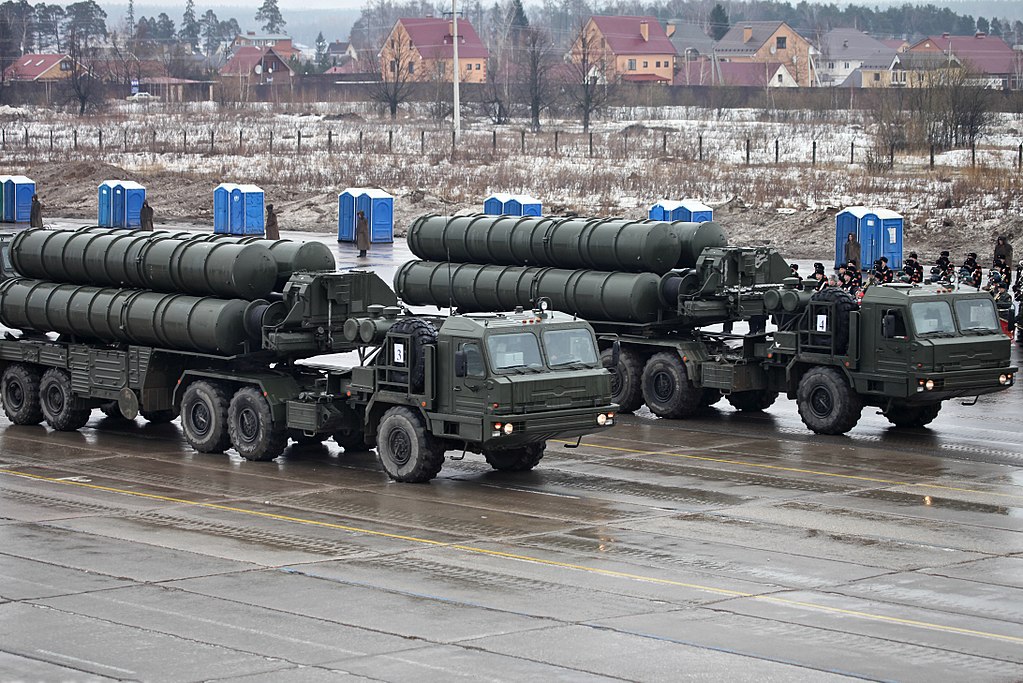
As the United States prepares for the July 4 holiday, Senate Majority Whip John Thune, a Republican from South Dakota, proposed a curious amendment for the Fiscal Year 2021 National Defense Authorization Act (NDAA), the omnibus spending bill that...
Read more »(Re)Discovering the National Interest, Again
Implications of the Argument: It’s been a tough few decades for national security analysts with no shortage of how to fix what is wrong with U.S. foreign policy. The 1990s were largely characterized by redefining grand strategy in a...
Read more »The Implications of Withdrawing American Troops from Germany
On June 6, the Wall Street Journal set off an avalanche of commentary by reporting that U.S. President Donald Trump ordered a drastic reduction in U.S. troops deployed in Germany within a space of only six months. The move...
Read more »Making Sense of the Recent China-India Clashes

The original article charted changes in South Asia’s geopolitical landscape since the end of the Cold War, and particularly how other major powers, including the United States, Russia, and China, have adapted to the rise of India and how...
Read more »