

A nation must think before it acts.

Publications
Russian Neo-Imperialism in Ukraine and Greece

The modern imperialist motives of the Russian Federation are often integrated into the notion that Russia is a revisionist power that behaves in line with its traditional national security interests. However, this argument oversimplifies the Kremlin’s foreign policy strategy...
Read more »American Credibility is Dangerously Low: Just Not For the Reasons You May Think

In the field of international relations, a nation’s credibility is often thought to be calculated by evaluating its historical record of following through on threats of punishment issued to adversaries. In contrast, today, the larger challenge to U.S. global...
Read more »The Bill of Rights and Amending the Constitution: An FPRI Primer
As proud as they were of the U.S. Constitution, the Founders did not assume their creation was perfect. Recognizing the text might need future changes, they outlined a clear and detailed process for amendments in Article V, which stated:...
Read more »The Rise of Right-Wing Populists in Estonia
Since joining the North Atlantic Treaty Organization (NATO) and the European Union (EU) in 2004, Estonia has been an exemplar of rationality and democratic values, becoming the epitome of digital innovation, openness, and budgetary balance. This can be exemplified...
Read more »Tensions between South Korea and Japan Benefit No One

The current trade war between Japan and South Korea makes little logical sense in a liberal worldview of international relations. French economist Frederic Bastiat (allegedly) said that “when goods don’t cross borders, soldiers will.” The idea is that social...
Read more »Putin’s Victory: Why Turkey and America Made Each Other Weaker
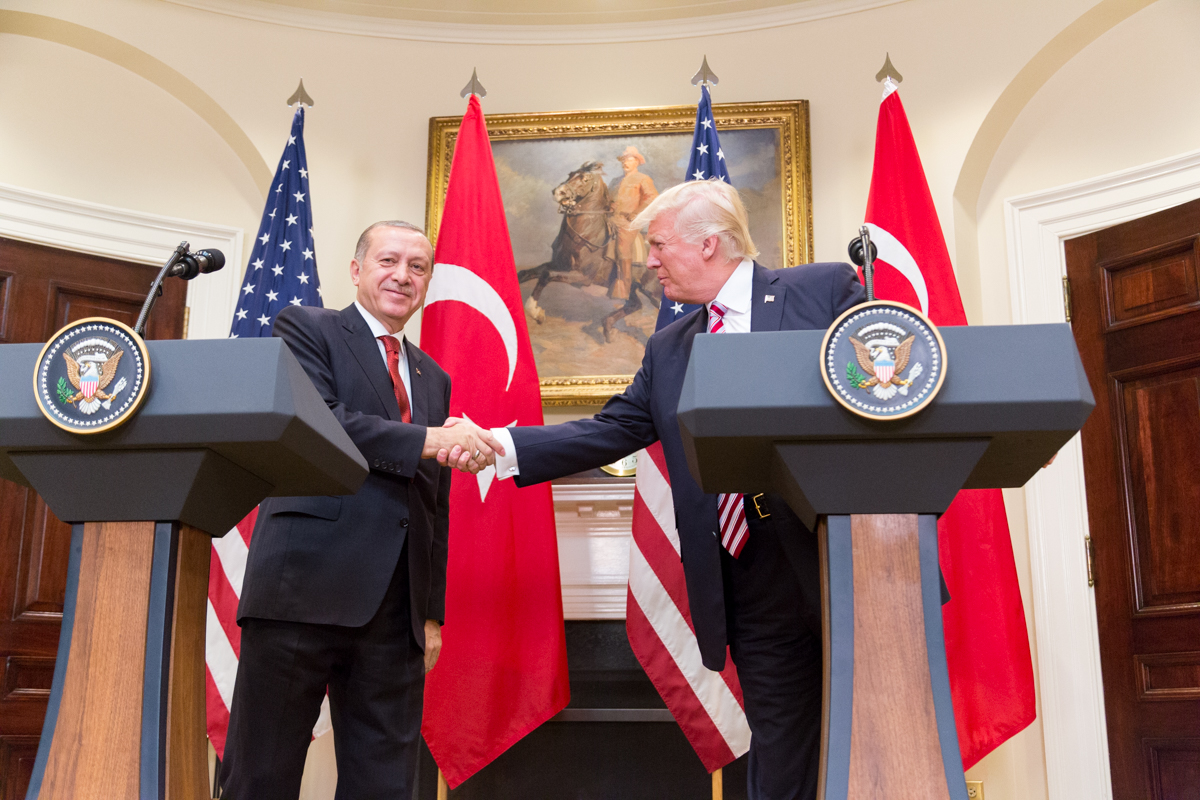
On Tuesday, 16 July, President Donald Trump poorly articulated the first of what is expected to be two actions taken in response to Turkey’s purchase and acquisition of the Russian made S-400. In a meandering and error-filled statement, President...
Read more »The Kurdish Struggle for Autonomy from the 1970s to the Present

As a presidential candidate, Donald Trump called himself a “big fan of the Kurds” and also defended Saddam Hussein’s use of chemical weapons against them, remarking "Saddam Hussein throws a little gas, everyone goes crazy, 'oh he’s using gas!’”...
Read more »Israel’s Foreign Policy under Benjamin Netanyahu

The ways in which Prime Ministers of Israel have shaped Israel's foreign policy have often reflected a fairly balanced combination of political, personal, and national interests. This balance is reflected when Prime Ministers sometimes prefer to challenge the political...
Read more »An Underdog’s Plaint and the Limits of Romantic Geopolitics in the Middle East
Khalid Elgindy served for several years as a European-funded technical adviser to the Palestinian leadership in Ramallah. He observed permanent status negotiations with Israel from 2004 to 2009, and was a participant in the Annapolis negotiations of 2008. From...
Read more »Benjamin Franklin and the Crisis of the British Empire
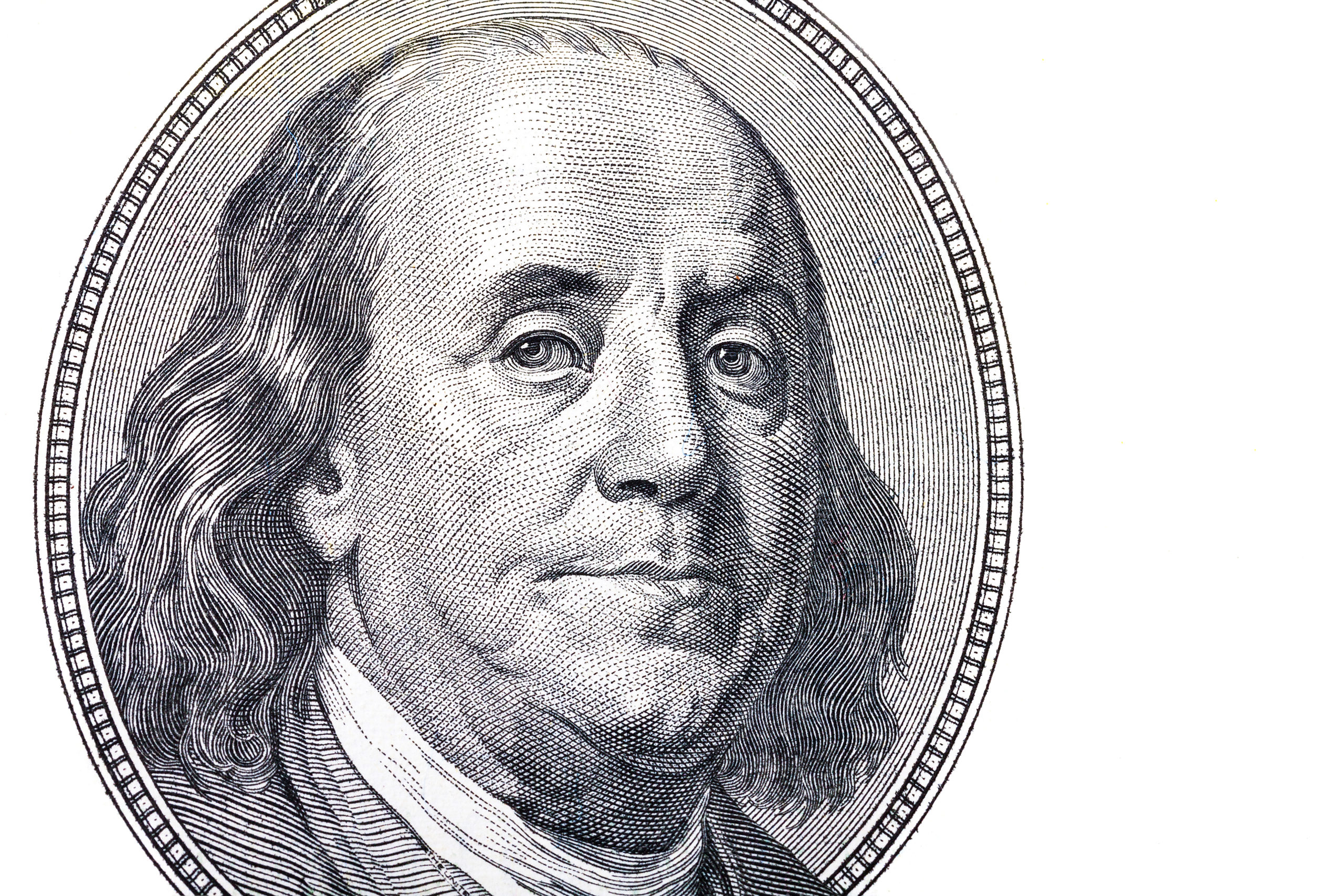
In this talk, Pulitzer Prizewinning historian Walter A. McDougall will explore the nature of the crisis that led to the split between Britain and the colonies between 1763 and 1776, with emphasis on Benjamin Franklin’s role as the colonies’...
Read more »